
yasser_elnashar • November 21, 2026

The Complete Guide to Kalabsha Temple: History, Boat Ride & Visitor Tips

Author

yasser_elnashar

Date

November 21, 2026

Share

Kalabsha Temple is an ancient Nubian temple near Aswan, Egypt, dedicated mainly to Mandulis, the Nubian sun god. Built during the Roman period, it was moved to higher ground in a UNESCO-led rescue project before Lake Nasser covered its original location. Today, visitors can reach it by boat and enjoy its quiet setting.

Kalabsha Temple in Aswan beside Lake Nasser

Where is Kalabsha Temple?

Kalabsha Temple stands on the western bank of Lake Nasser, close to the Aswan High Dam. It is not in central Aswan, so most visitors arrive by boat. This journey is part of the experience: the water, desert scenery, and peaceful shoreline create a very different atmosphere from the busier temple sites along the Nile.

The temple is also known as the Temple of Mandulis or Talmis. Its location makes it a rewarding addition to an Aswan Day Tour , particularly for travelers interested in Nubian history, ancient architecture, and less crowded attractions.

What is the history of Kalabsha Temple?

The first structure at Kalabsha was built during the New Kingdom, but the temple visible today mainly dates from the Roman period. Construction began under Emperor Augustus around the first century BCE and continued under later Roman rulers.

Although Rome controlled Egypt at the time, the temple reflects strong Nubian traditions. It was built for Mandulis, a sun god worshipped in Lower Nubia, and also honored Isis and Horus. Religious life continued here for centuries, until Christianity gradually became dominant in the region.

Kalabsha was one of the largest free-standing temples in Nubia. Its scale and decoration show how Egyptian religious design continued to develop under Roman rule. The monument is especially valuable because its inscriptions and reliefs preserve evidence of both Egyptian and Nubian beliefs.

Who was Mandulis?

Mandulis was a powerful Nubian sun god associated with light, kingship, protection, and renewal. He was often shown wearing a distinctive crown, sometimes with a solar disk and tall feathers. Worship of Mandulis continued in Nubia long after many traditional Egyptian cults had declined elsewhere.

Why was Kalabsha Temple moved?

The original temple stood near the village of Kalabsha, south of Aswan. When Egypt built the Aswan High Dam in the 1960s, rising water from Lake Nasser threatened to submerge many ancient monuments. An international campaign led by UNESCO helped document, dismantle, and relocate important Nubian temples.

Stone reliefs and columns inside Kalabsha Temple

What should you know before visiting?

Kalabsha Temple is quieter than many famous Egyptian temples, but facilities may be limited. Bring drinking water, sunscreen, a hat, and cash for small expenses. Dress respectfully and protect the ancient carvings by never touching or climbing on them.

Kalabsha Temple: key takeaways

Kalabsha Temple is one of Aswan’s most peaceful and meaningful ancient sites. Its Roman-period architecture, Nubian identity, and connection with Mandulis make it different from the better-known temples of Luxor. The UNESCO rescue explains why the temple now stands beside Lake Nasser rather than beneath it.

Unfinished Obelisk in Aswan carved from granite
November 21, 2026
Learn key facts about the Unfinished Obelisk in Aswan, including its huge scale, Hatshepsut’s order, granite carving methods, and the crack that ended its construction.
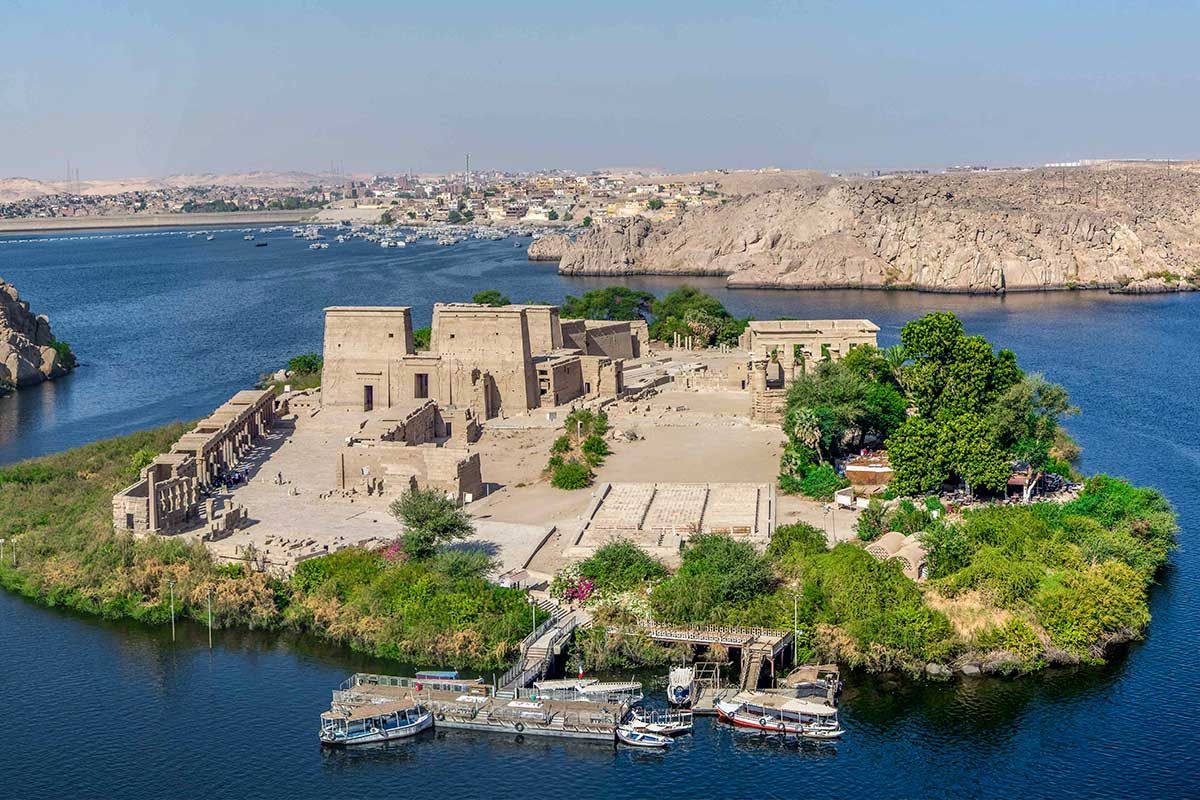
Unlocking the Secrets of Philae Temple
By Red Rose Tours • July 15, 2026
Discover the history, myths, and stunning architecture of the sacred island of Isis. Plan your perfect visit to Philae Temple in Aswan with Red Rose Travel.
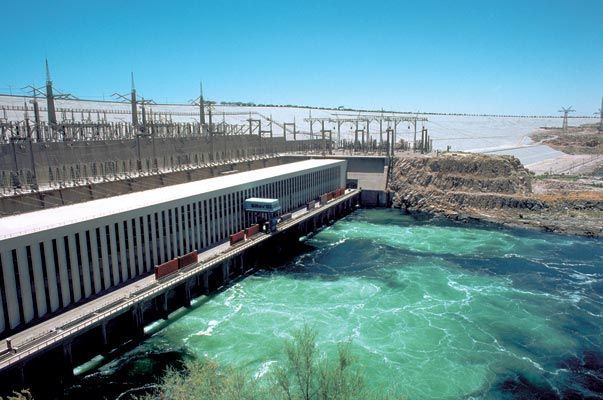
Hydroelectric dam with rushing turquoise water and power lines under a clear blue sky
By Red Rose Tours • July 14, 2026
Learn the history, scale, and incredible UNESCO rescue story behind the mighty Aswan High Dam. Explore this modern Egyptian wonder with Red Rose Tours.
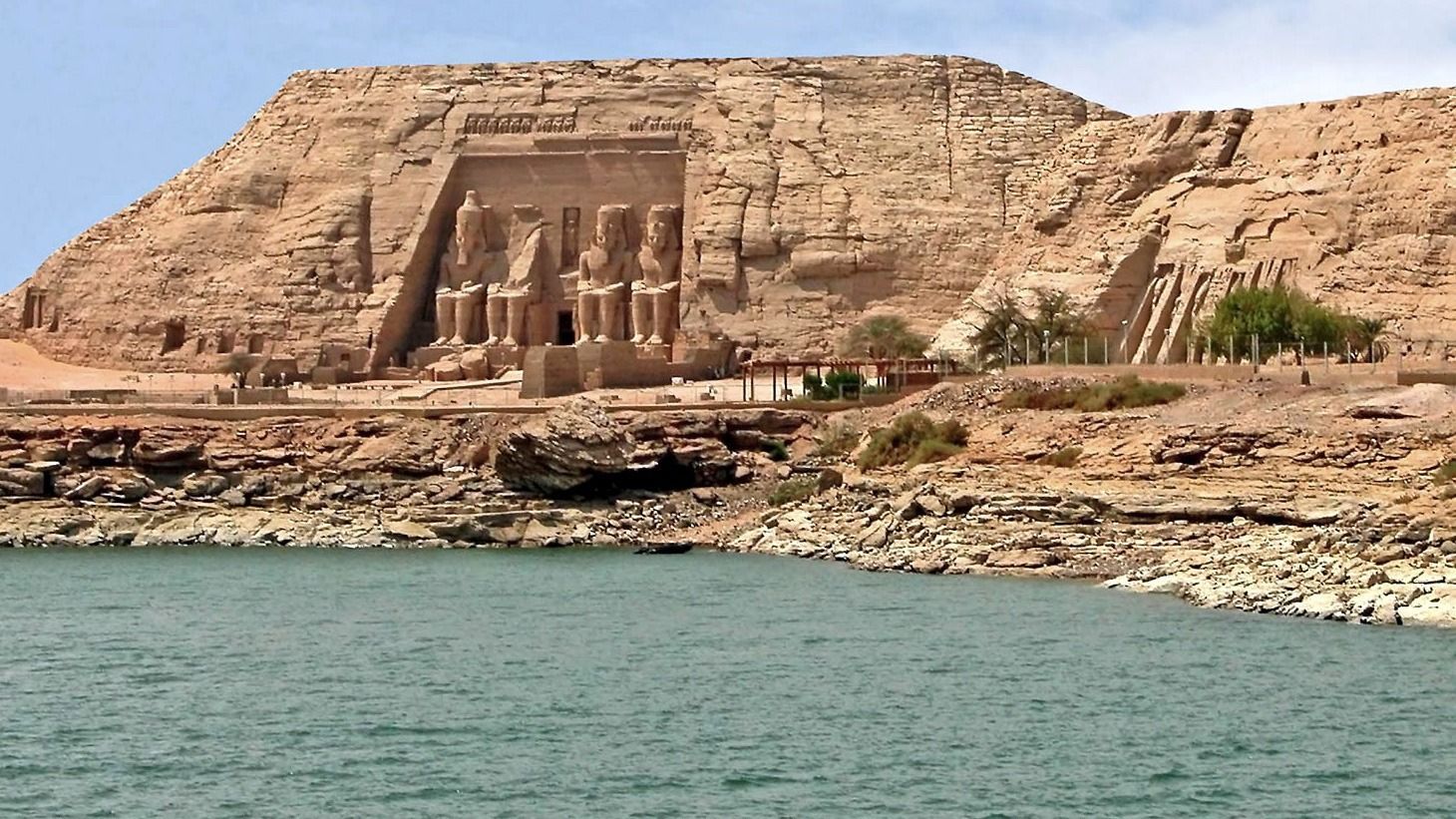
Ancient rock-cut temple on a desert cliff beside blue-green water under a clear sky
By Red Rose Tours • May 17, 2026
Deep in the Nubian desert, carved directly into the heart of a solid mountain, stands one of humanity's most breathtaking architectural achievements: the twin temples of Abu Simbel. Built over 3,000 years ago by Egypt’s most powerful pharaoh, Ramesses II, this UNESCO World Heritage site is a masterclass in ancient engineering, royal ego, and deep romantic devotion. If you are planning a trip to Egypt with Red Rose Travel, Abu Simbel is an absolute must-see destination that will leave you utterly speechless. In this ultimate guide, we’ll explore the history, the mysteries, and the practical travel tips you need to know before you stand in the shadow of these ancient giants.
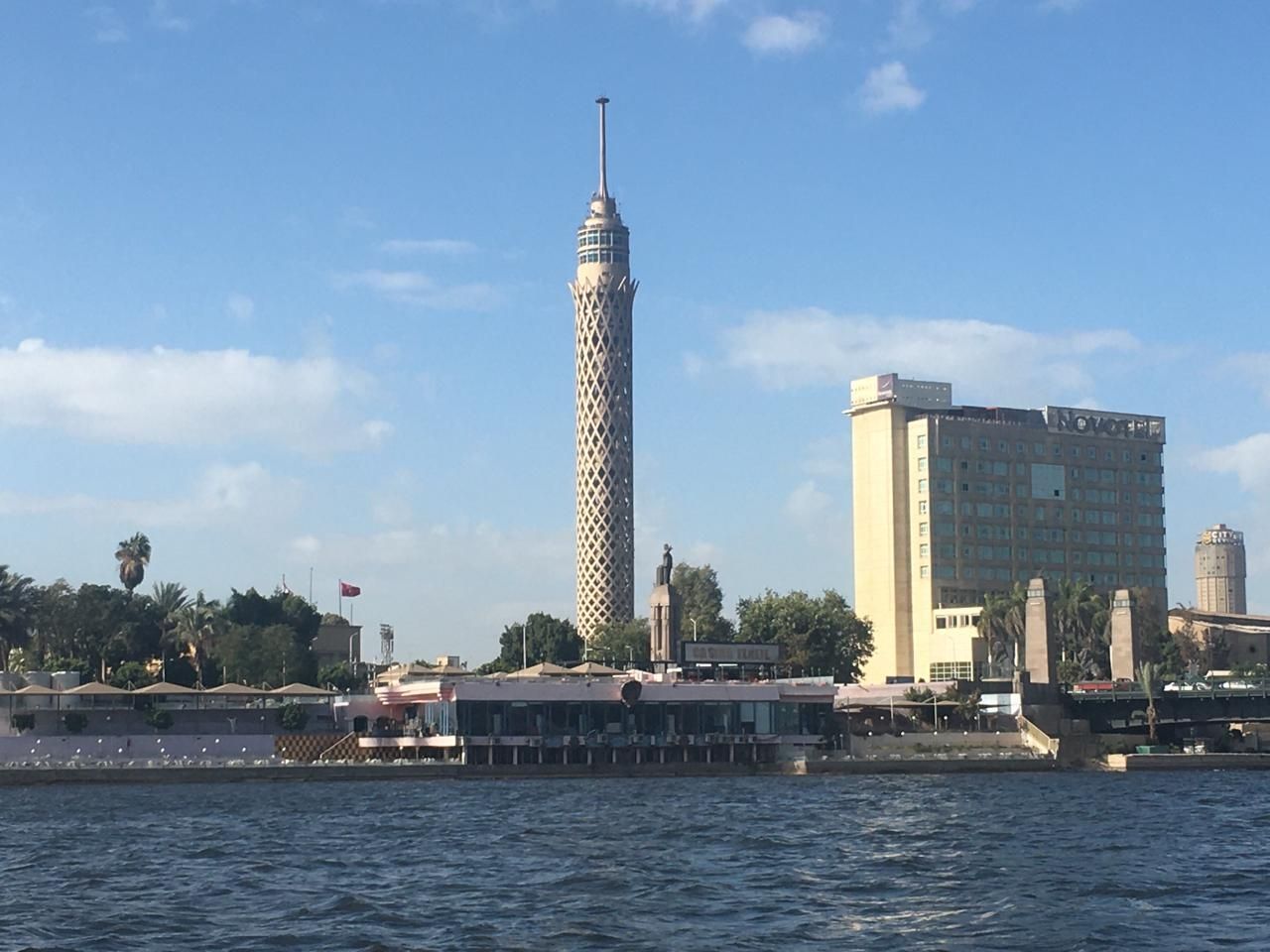
Cairo skyline with Cairo Tower and a riverside building beside the Nile under a clear blue sky
By Red Rose Tours • May 7, 2026
Discover the iconic Cairo Tower in Zamalek. Get 360° panoramic views of the Nile and Pyramids, visit the revolving restaurant.
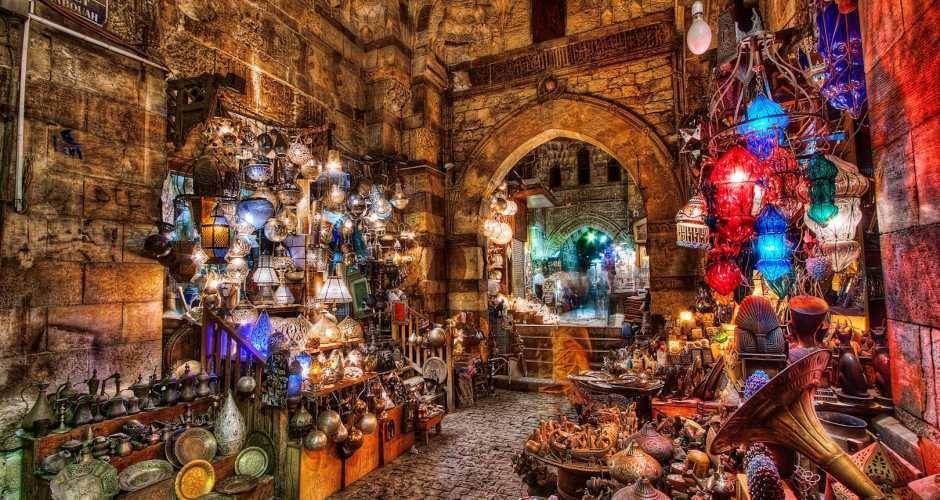
A colorful, ornate shop interior filled with hanging lanterns, pottery, and decorative lights.
By Red Rose Tours • May 7, 2026
Discover Cairo’s historic heart. Explore the medieval wonders of Al-Muizz Street and shop the legendary Khan el-Khalili bazaar.
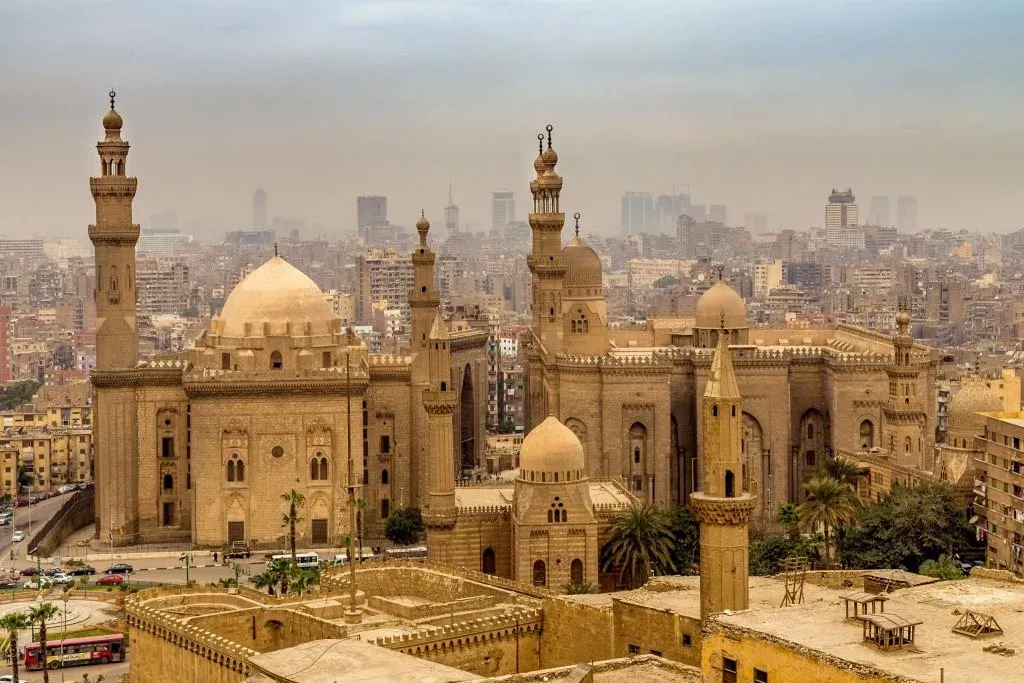
Historic mosque with domes and minarets overlooking a dense city skyline at sunset
By Red Rose Tours • May 7, 2026
Step back in time to Explore Al-Muizz Street’s medieval architecture
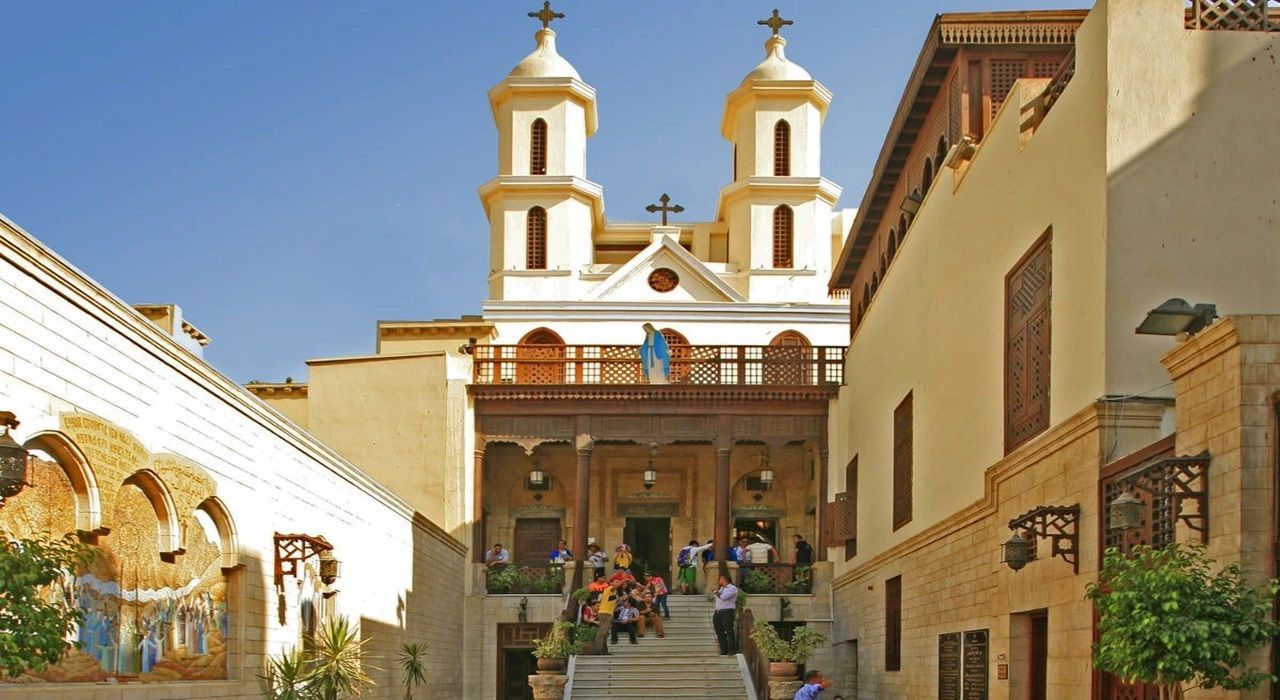
Sunny courtyard leading to a white church with twin bell towers and people on the steps
By Red Rose Tours • May 7, 2026
Discover Cairo's Historic District
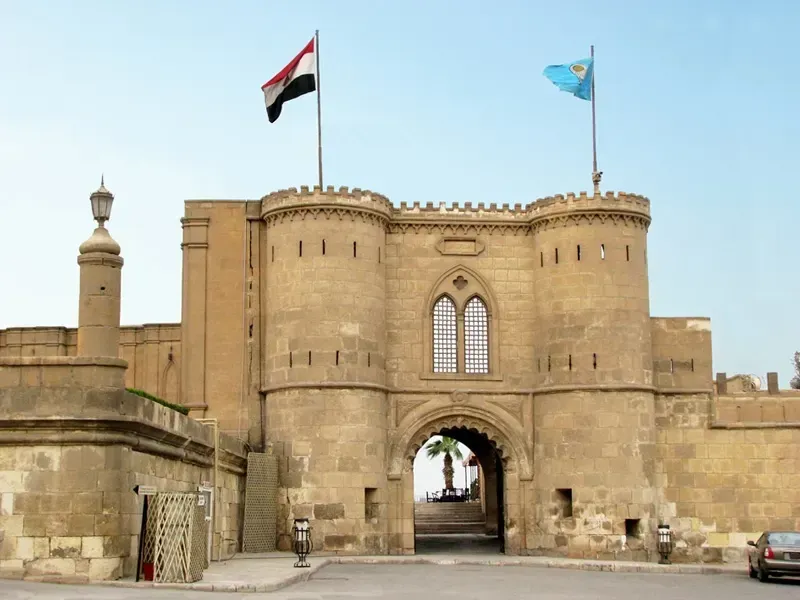
Historic stone fortress gate with Egyptian and blue flags flying above the entrance.
By Red Rose Tours • May 7, 2026
Experience the grandeur of the Citadel of Saladin
Illuminated modern building at dusk reflected in a calm waterfront under a dark blue sky
By Red Rose Tours • May 7, 2026
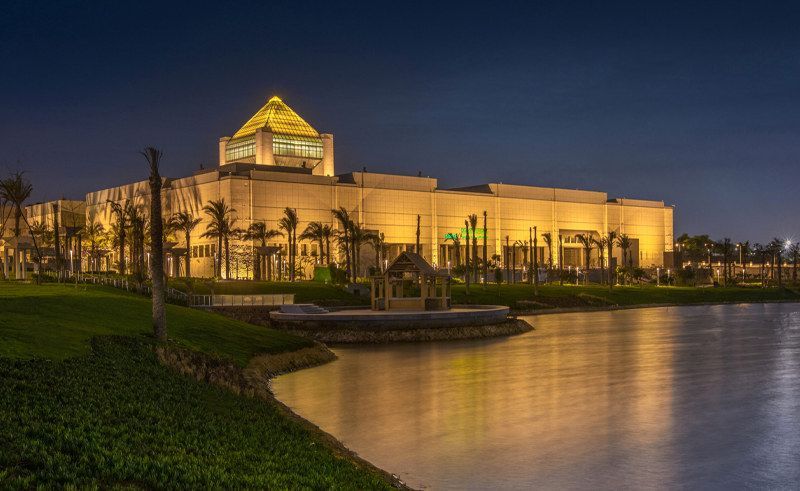
Discover the National Museum of Egyptian Civilization in Cairo. Explore the Royal Mummies Gallery, 50,000+ artifacts, and 7,000 years of history.

Show More