



Discover Luxor Temple in Egypt, including its Nile-side location, royal builders, ancient festivals, and layered history across the ages.

Discover Edfu Temple near Aswan, its dedication to Horus, Ptolemaic history, remarkable preservation, and grand ancient design.

Discover Kom Ombo Temple near Aswan, its unique double design for Sobek and Horus the Elder, Ptolemaic history, Nile setting, and Crocodile Museum.
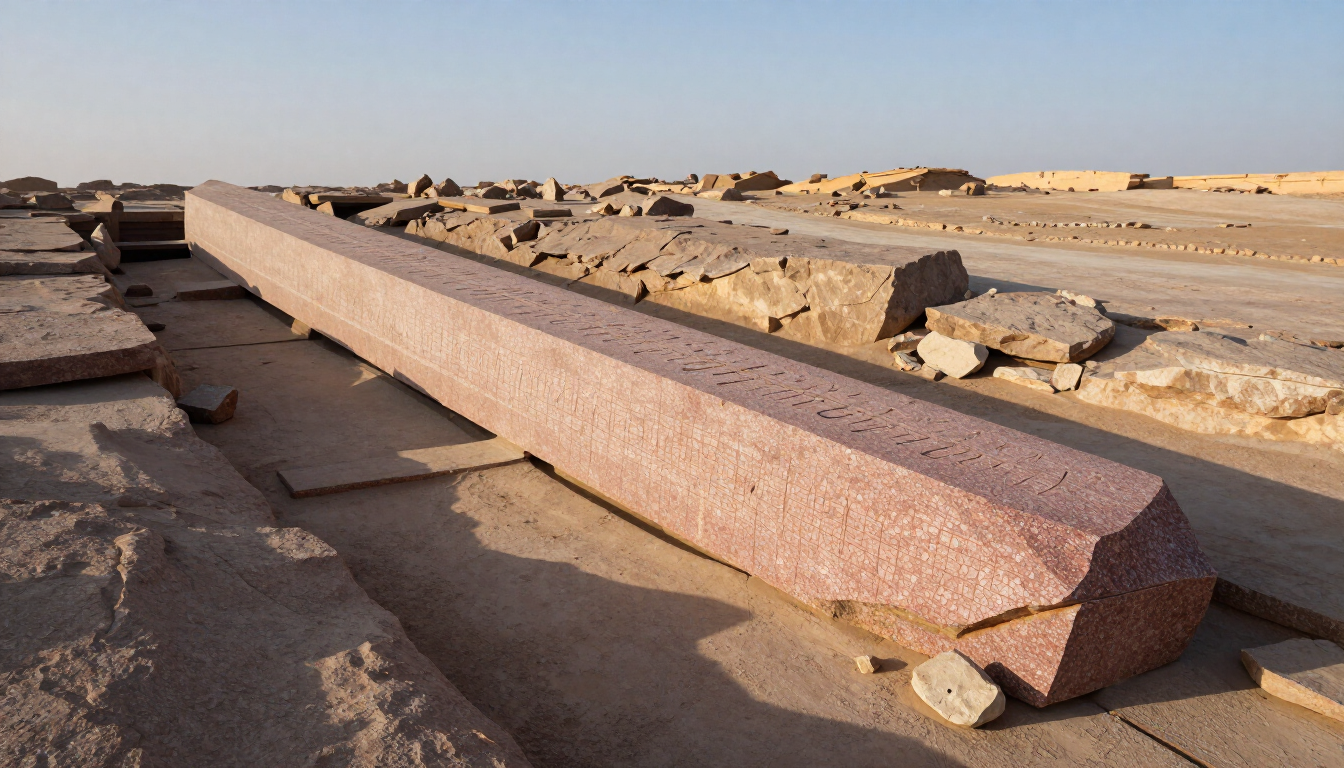
Learn five essential facts about the Unfinished Obelisk in Aswan, including its immense scale, Hatshepsut’s order, granite carving, and the crack that ended its construction.
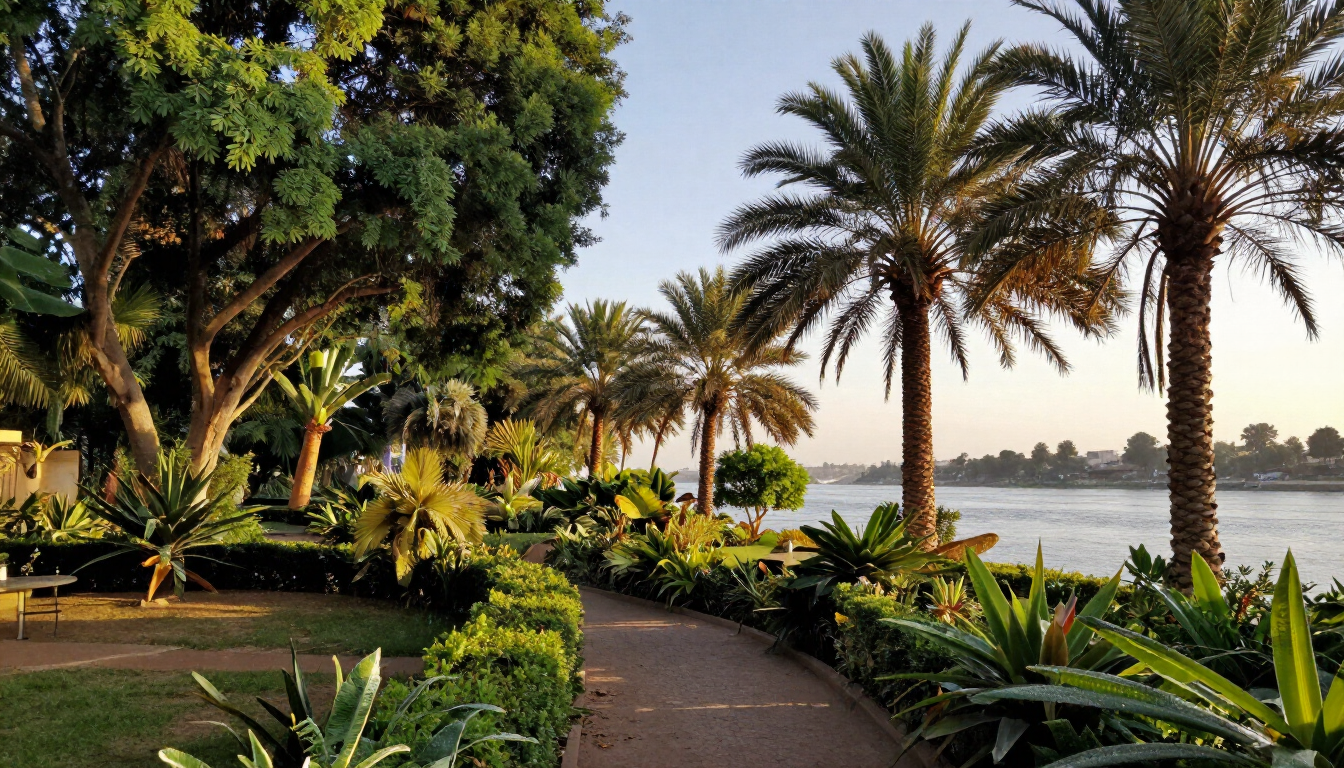
Discover Kitchener Island in Aswan, Egypt: its Lord Kitchener history, rare global plants, peaceful Nile setting, and practical visitor tips.

Explore Kalabsha Temple in Aswan, its Mandulis carvings, UNESCO relocation, nearby sights, and practical boat and visiting tips.
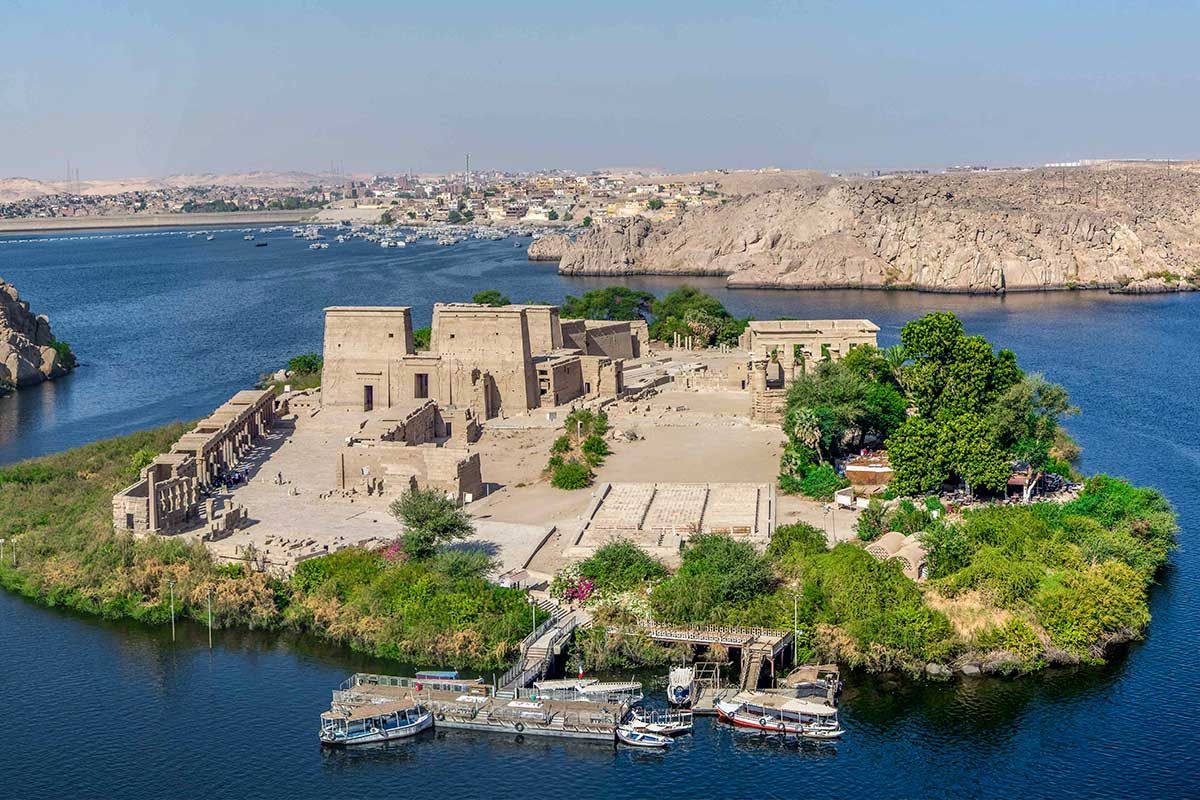
Discover the history, myths, and stunning architecture of the sacred island of Isis. Plan your perfect visit to Philae Temple in Aswan with Red Rose Travel.
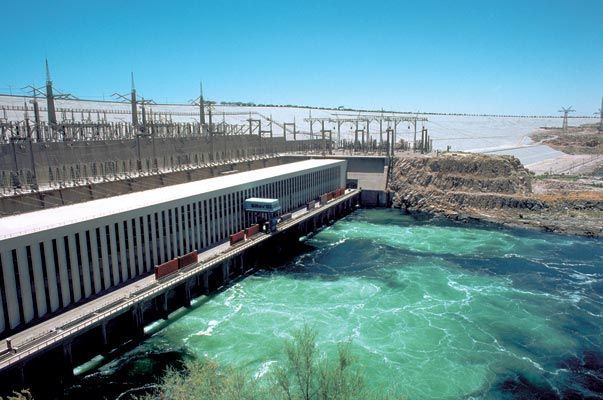
Learn the history, scale, and incredible UNESCO rescue story behind the mighty Aswan High Dam. Explore this modern Egyptian wonder with Red Rose Tours.
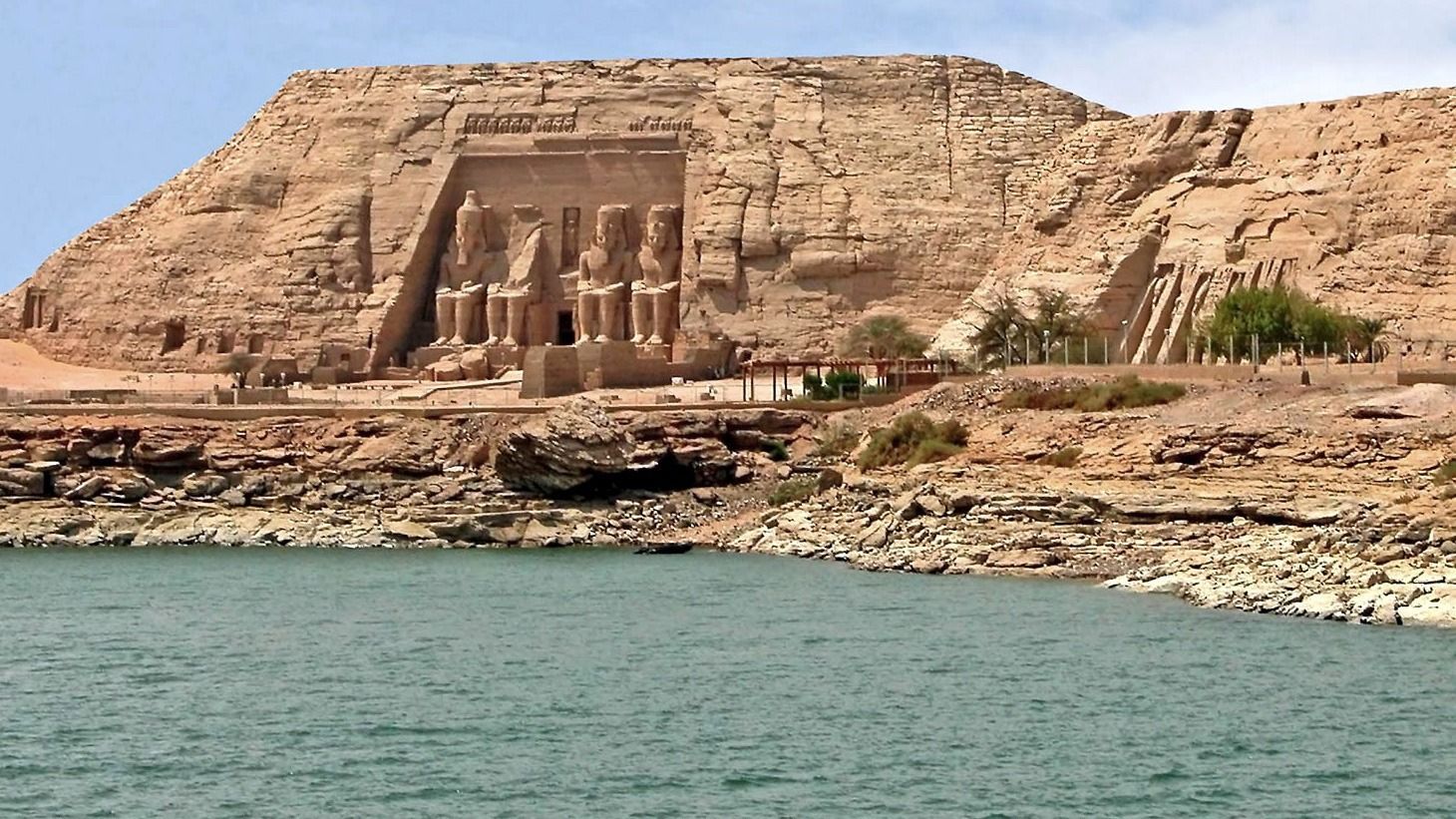
Deep in the Nubian desert, carved directly into the heart of a solid mountain, stands one of humanity's most breathtaking architectural achievements: the twin temples of Abu Simbel. Built over 3,000 years ago by Egypt’s most powerful pharaoh, Ramesses II, this UNESCO World Heritage site is a masterclass in ancient engineering, royal ego, and deep romantic devotion. If you are planning a trip to Egypt with Red Rose Travel, Abu Simbel is an absolute must-see destination that will leave you utterly speechless. In this ultimate guide, we’ll explore the history, the mysteries, and the practical travel tips you need to know before you stand in the shadow of these ancient giants.
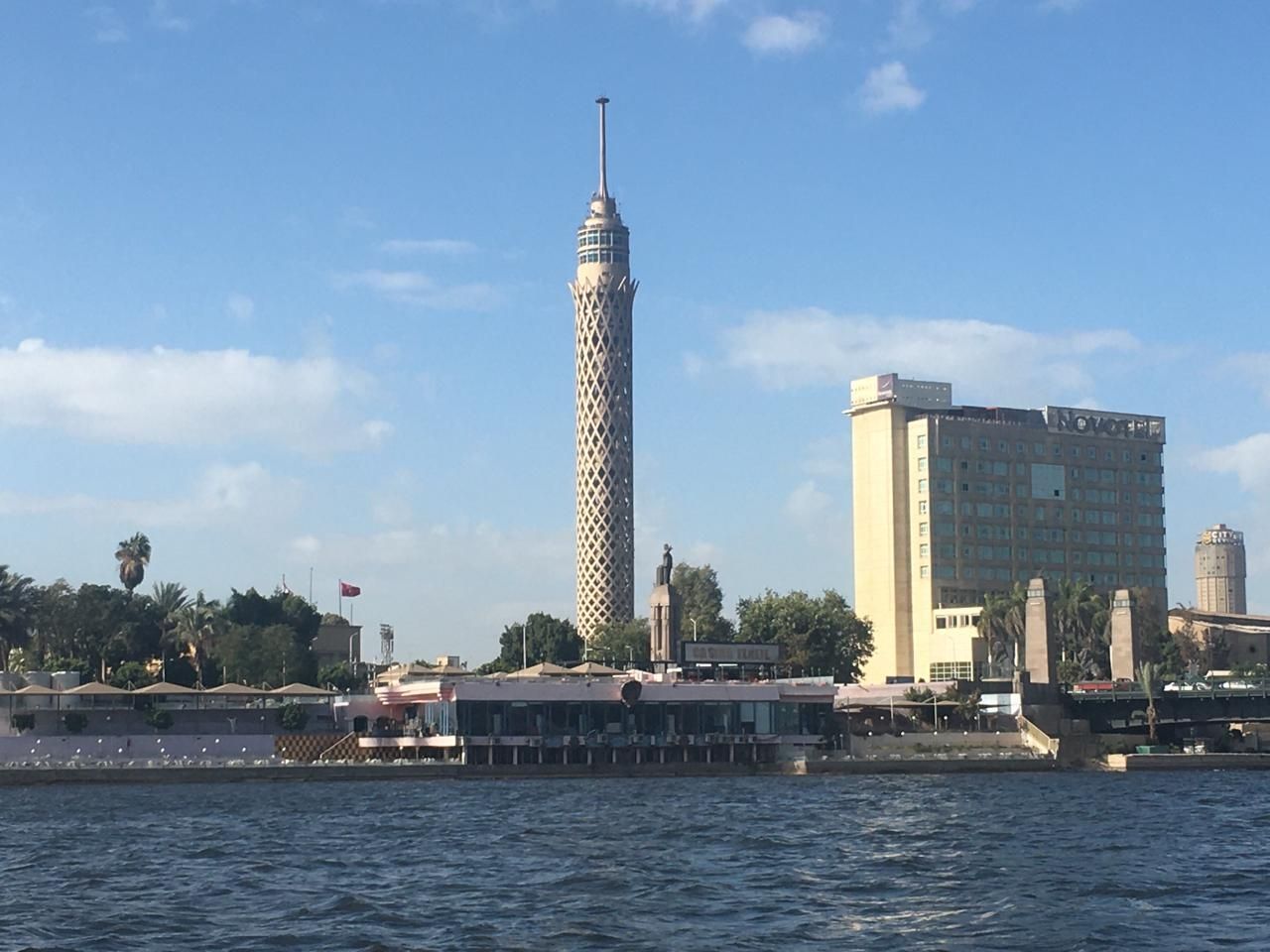
Discover the iconic Cairo Tower in Zamalek. Get 360° panoramic views of the Nile and Pyramids, visit the revolving restaurant.