

A Quick Guide to the Unfinished Obelisk in Aswan

Red Rose Travel • November 21, 2026

Share this article

The Unfinished Obelisk in Aswan is an enormous ancient granite monument abandoned during construction after a crack appeared in the stone. Ordered by Queen Hatshepsut, it shows how Egyptian workers shaped massive blocks with stone tools and careful planning, despite lacking modern machinery.

The Unfinished Obelisk in Aswan, Egypt

How large is the Unfinished Obelisk?

The Unfinished Obelisk is one of the largest known obelisks ever attempted. Archaeologists estimate that, if completed, it would have measured approximately 42 metres (137 feet) and weighed close to 1,200 tonnes .

It remains attached to the bedrock in the ancient Aswan quarry. Its size helps explain the difficulty of separating, transporting, raising, and installing a single granite monument. The stone’s reddish colour is characteristic of Aswan granite, a material widely used for important monuments throughout ancient Egypt.

Who ordered the Unfinished Obelisk?

The project is generally associated with Queen Hatshepsut , who ruled Egypt during the Eighteenth Dynasty. Hatshepsut commissioned major building works, temples, statues, and monuments that presented her authority and connection to the gods.

The obelisk may have been intended to stand beside another obelisk at Karnak Temple in Thebes. Its planned height would have made it an especially prominent monument. However, because construction was never completed, historians cannot confirm every detail of its intended placement.

Ancient Egyptian granite quarry and obelisk carving

How did ancient Egyptians carve granite?

Ancient Egyptian stoneworkers shaped granite through repeated cutting, pounding, and smoothing. Granite is extremely hard, so the process required time, skilled labour, and a large supply of tools.

Key methods likely included:

  • Marking the intended outline directly on the rock.
  • Cutting channels around the planned obelisk.
  • Using hard stone pounders to break and loosen granite.
  • Creating holes or grooves to help separate sections.
  • Smoothing surfaces with abrasive materials such as sand.

The quarry itself provided a controlled working area. Workers could shape the obelisk while it still rested on solid bedrock, reducing the risks involved in moving it before its final form was ready.

Why was the Unfinished Obelisk abandoned?

A long crack appeared in the granite during the carving process. The damage made the stone unsuitable for completion because the crack could have weakened the entire monument during removal or transport.

Rather than risk wasting further labour, the workers stopped. The decision also prevented a potentially dangerous failure when the obelisk was lifted. The abandoned monument therefore preserves evidence of both Egyptian engineering skill and the practical limits imposed by natural flaws in stone.

What does the quarry reveal?

The Unfinished Obelisk provides direct evidence of how ancient Egyptian monuments were planned and produced. Because the stone remains connected to the quarry floor, its unfinished surfaces show stages of extraction that are hidden on completed obelisks.

For related regional context, see these Aswan excursions and general Egypt travel tips .

Close detail of the Unfinished Obelisk granite surface

Key facts to remember

The Unfinished Obelisk was a vast Hatshepsut-era project carved from Aswan granite. Its estimated dimensions demonstrate the scale of ancient Egyptian construction, while its abandoned state reveals how workers extracted and shaped stone. A structural crack made completion unsafe, so the monument remained in the quarry. Together, its size, tool marks, and natural flaw provide an unusually clear record of ancient engineering. The most important takeaway is simple: the obelisk was not abandoned because Egyptian builders lacked skill, but because the damaged granite could no longer support a safe and reliable monument.

Recent Posts

Luxor Temple in Egypt at sunset
By Red Rose Travel • November 21, 2026
Discover Luxor Temple in Egypt, including its Nile-side location, royal builders, ancient festivals, and layered history across the ages.
Karnak Temple Complex in Luxor with massive ancient stone columns
By Red Rose Travel • November 21, 2026
Discover Karnak Temple Complex in Luxor, its enormous temple city, dedication to Amun-Ra, pharaohs, and remarkable ancient Egyptian architecture.
Edfu Temple near Aswan, Egypt
By Red Rose Travel • November 21, 2026
Discover Edfu Temple near Aswan, its dedication to Horus, Ptolemaic history, remarkable preservation, and grand ancient design.
Kom Ombo Temple near Aswan on the Nile
By Red Rose Travel • November 21, 2026
Discover Kom Ombo Temple near Aswan, its unique double design for Sobek and Horus the Elder, Ptolemaic history, Nile setting, and Crocodile Museum.
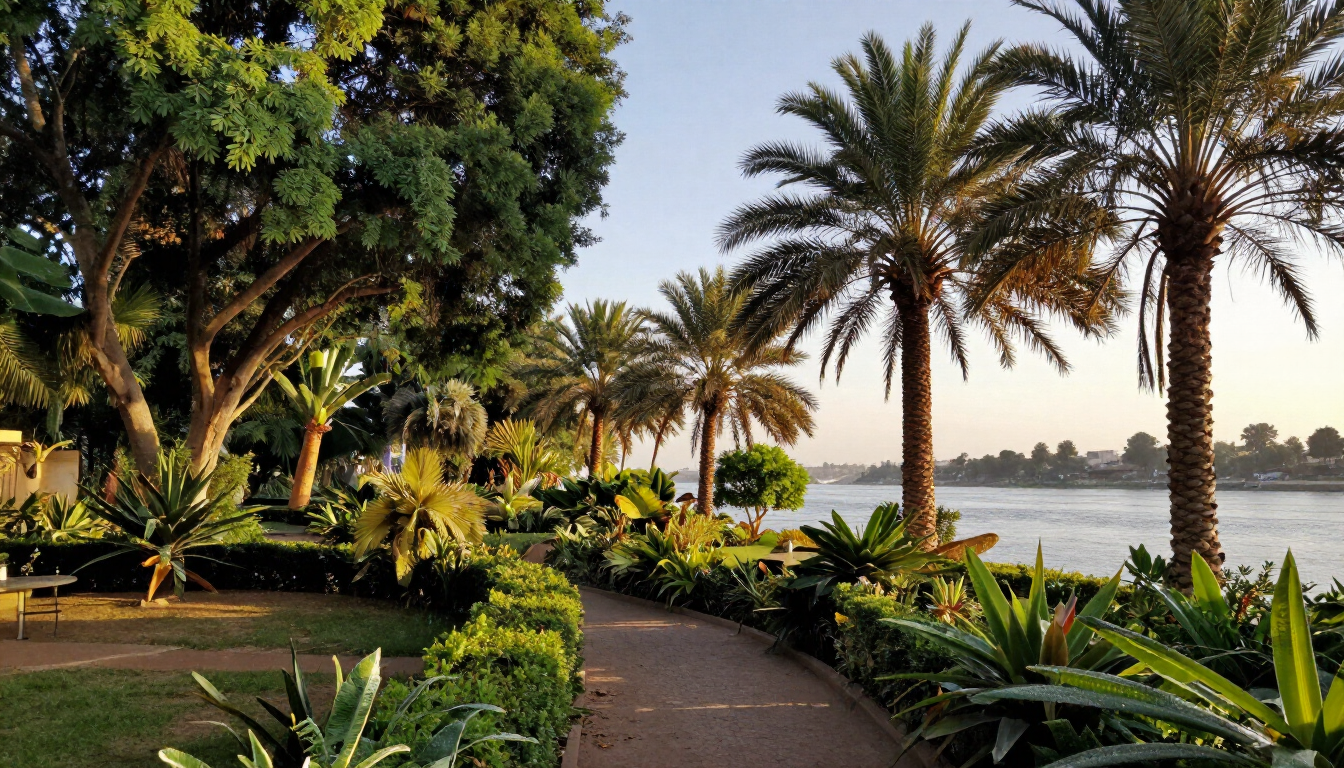
Kitchener Island Aswan botanical garden beside the Nile River
By Red Rose Travel • November 21, 2026
Discover Kitchener Island in Aswan, Egypt: its Lord Kitchener history, rare global plants, peaceful Nile setting, and practical visitor tips.
Kalabsha Temple in Aswan beside Lake Nasser
By Red Rose Travel • November 21, 2026
Explore Kalabsha Temple in Aswan, its Mandulis carvings, UNESCO relocation, nearby sights, and practical boat and visiting tips.
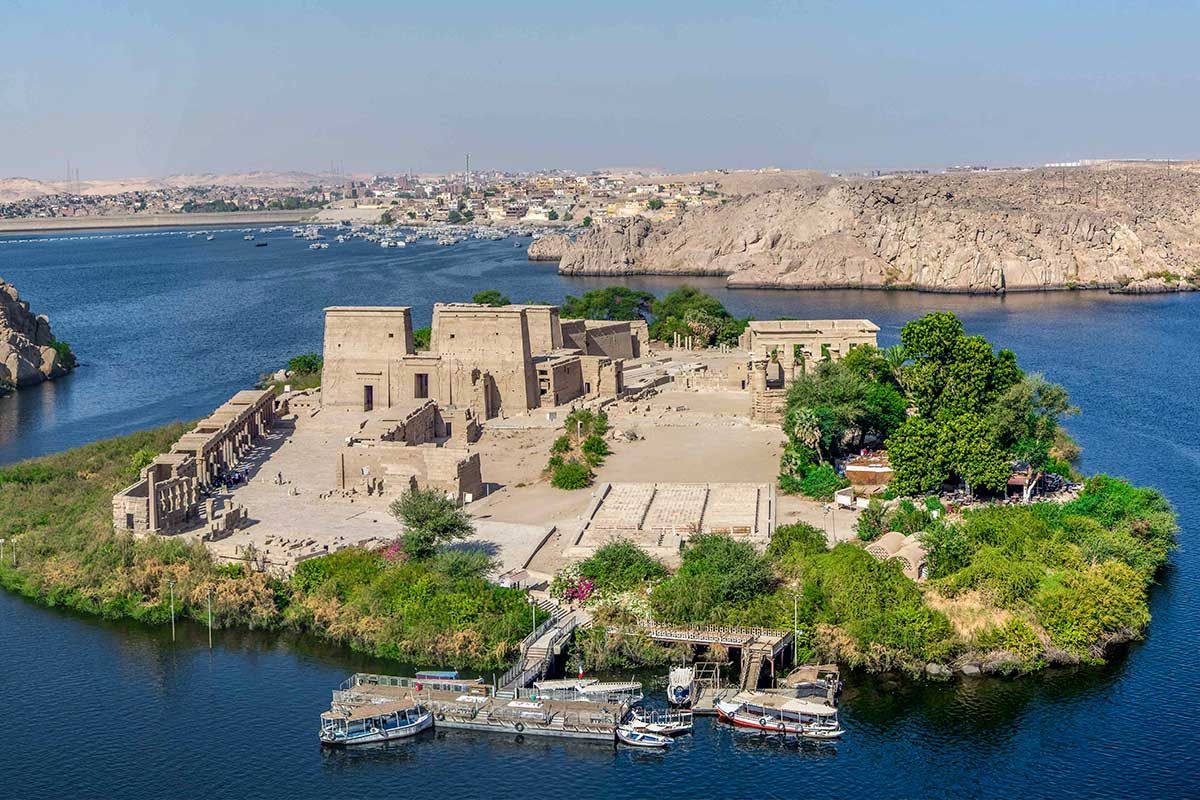
Unlocking the Secrets of Philae Temple
By Red Rose Tours • July 15, 2026
Discover the history, myths, and stunning architecture of the sacred island of Isis. Plan your perfect visit to Philae Temple in Aswan with Red Rose Travel.
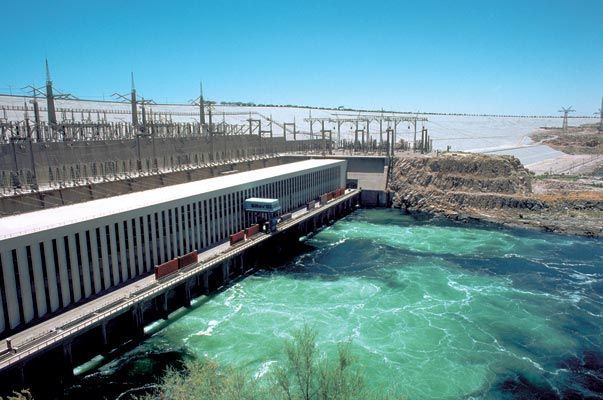
Hydroelectric dam with rushing turquoise water and power lines under a clear blue sky
By Red Rose Tours • July 14, 2026
Learn the history, scale, and incredible UNESCO rescue story behind the mighty Aswan High Dam. Explore this modern Egyptian wonder with Red Rose Tours.
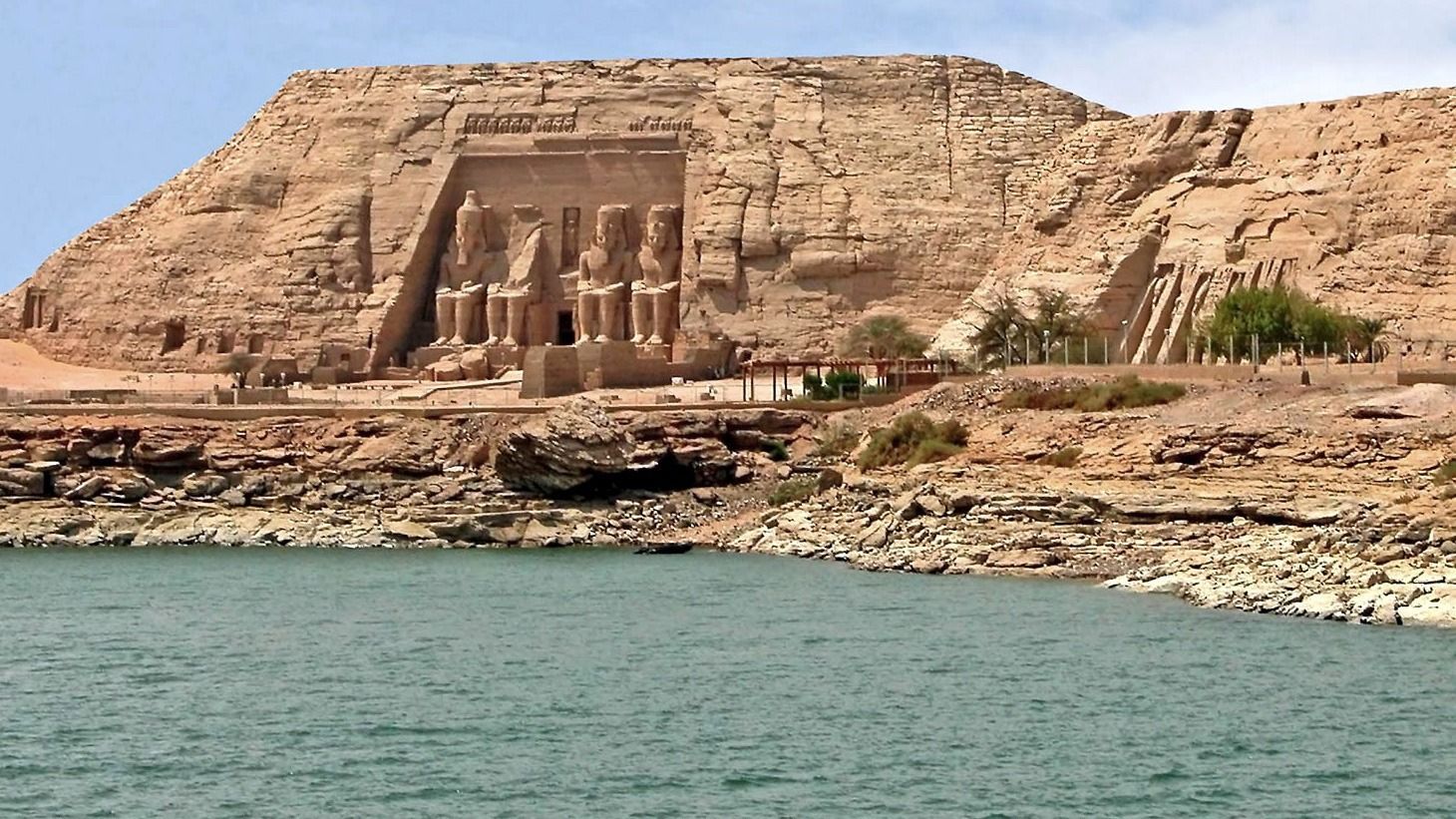
Ancient rock-cut temple on a desert cliff beside blue-green water under a clear sky
By Red Rose Tours • May 17, 2026
Deep in the Nubian desert, carved directly into the heart of a solid mountain, stands one of humanity's most breathtaking architectural achievements: the twin temples of Abu Simbel. Built over 3,000 years ago by Egypt’s most powerful pharaoh, Ramesses II, this UNESCO World Heritage site is a masterclass in ancient engineering, royal ego, and deep romantic devotion. If you are planning a trip to Egypt with Red Rose Travel, Abu Simbel is an absolute must-see destination that will leave you utterly speechless. In this ultimate guide, we’ll explore the history, the mysteries, and the practical travel tips you need to know before you stand in the shadow of these ancient giants.
Cairo skyline with Cairo Tower and a riverside building beside the Nile under a clear blue sky
By Red Rose Tours • May 7, 2026
Discover the iconic Cairo Tower in Zamalek. Get 360° panoramic views of the Nile and Pyramids, visit the revolving restaurant.