

Kitchener Island Aswan: A Quick Visitor Guide

Red Rose Travel • November 21, 2026

Share this article

Kitchener Island, also called Plant Island, is a peaceful botanical garden in the Nile River at Aswan, Egypt. It became famous after Lord Kitchener developed the island with plants collected from Africa, Asia, and other tropical regions. Today, visitors come for its rare trees, shaded paths, birdlife, and calm river views.

What is Kitchener Island known for?

Kitchener Island is best known for its botanical garden and beautiful setting in the middle of the Nile. The island is relatively small, but its rich plant collection makes it one of Aswan’s most relaxing places to visit.

The island is also called Plant Island because of its extensive collection of plants from different parts of the world. These include species that are not naturally common in Upper Egypt. The result is a garden with a distinctly international character, while the Nile and surrounding desert keep it firmly connected to Aswan.

Kitchener Island Aswan botanical garden with tropical plants and shaded paths

Who was Lord Kitchener, and why is the island named after him?

The island’s name comes from Lord Horatio Kitchener, a British military commander and colonial administrator. In the early twentieth century, Kitchener was associated with Egypt and served as British Consul-General from 1911 to 1914.

During his time in Egypt, he took an interest in the island and helped transform it into a botanical garden. Plants and trees were brought from different regions, including parts of Asia, Africa, and other tropical areas. Kitchener used the island as a place to grow and display these specimens.

How did Kitchener Island become a botanical garden?

The island’s transformation was based on deliberate landscape planning. Its position in the Nile gave it access to water, while its warm climate supported many plants from regions with similar conditions.

Over time, the collection became an important part of Aswan’s cultural and natural heritage. The garden is not simply a landscaped park; it is also a living record of plant exchange between different parts of the world.

Peaceful Nile River view from Plant Island in Aswan with a traditional sailboat

What should visitors know before going?

A little preparation can make a visit to Kitchener Island more comfortable. Aswan is hot for much of the year, and the garden includes outdoor paths with changing levels of shade.

How does Kitchener Island compare with other Aswan attractions?

Kitchener Island offers a different experience from Aswan’s major archaeological sites. It is not a replacement for visiting Philae Temple, the Nubian villages, the Unfinished Obelisk, or the Aswan High Dam. Instead, it complements them.

When is the best time to visit Kitchener Island?

The best time depends on your priorities. For cooler weather, the period from October through April is generally more comfortable in Aswan. Winter mornings and evenings can feel pleasant, although temperatures may change during the day.

Frequently asked questions

Is Kitchener Island the same as Plant Island?

Yes. Kitchener Island and Plant Island are two names for the same botanical garden island in Aswan. “Plant Island” describes its gardens, while “Kitchener Island” refers to Lord Kitchener and the island’s modern history.

Is Kitchener Island a historical site?

It has historical importance because of Lord Kitchener’s role in developing the garden. However, it is primarily a botanical and natural attraction rather than an archaeological monument.

Key takeaways

Kitchener Island is a botanical garden in the Nile and one of Aswan’s best places for a peaceful nature break. Its history begins with Lord Kitchener, who helped introduce plants from around the world. Today, the island combines unusual trees, shaded paths, river views, and a relaxed atmosphere. Visit during a cooler season or choose an early or late time of day for more comfortable walking. Before going, check current access details, prepare for outdoor conditions, and allow enough time for the boat crossing. If your travel plans include Aswan’s wider attractions, use the island as a calm complement to temples, museums, and Nile experiences.

Recent Posts

Luxor Temple in Egypt at sunset
By Red Rose Travel • November 21, 2026
Discover Luxor Temple in Egypt, including its Nile-side location, royal builders, ancient festivals, and layered history across the ages.
Karnak Temple Complex in Luxor with massive ancient stone columns
By Red Rose Travel • November 21, 2026
Discover Karnak Temple Complex in Luxor, its enormous temple city, dedication to Amun-Ra, pharaohs, and remarkable ancient Egyptian architecture.
Edfu Temple near Aswan, Egypt
By Red Rose Travel • November 21, 2026
Discover Edfu Temple near Aswan, its dedication to Horus, Ptolemaic history, remarkable preservation, and grand ancient design.
Kom Ombo Temple near Aswan on the Nile
By Red Rose Travel • November 21, 2026
Discover Kom Ombo Temple near Aswan, its unique double design for Sobek and Horus the Elder, Ptolemaic history, Nile setting, and Crocodile Museum.
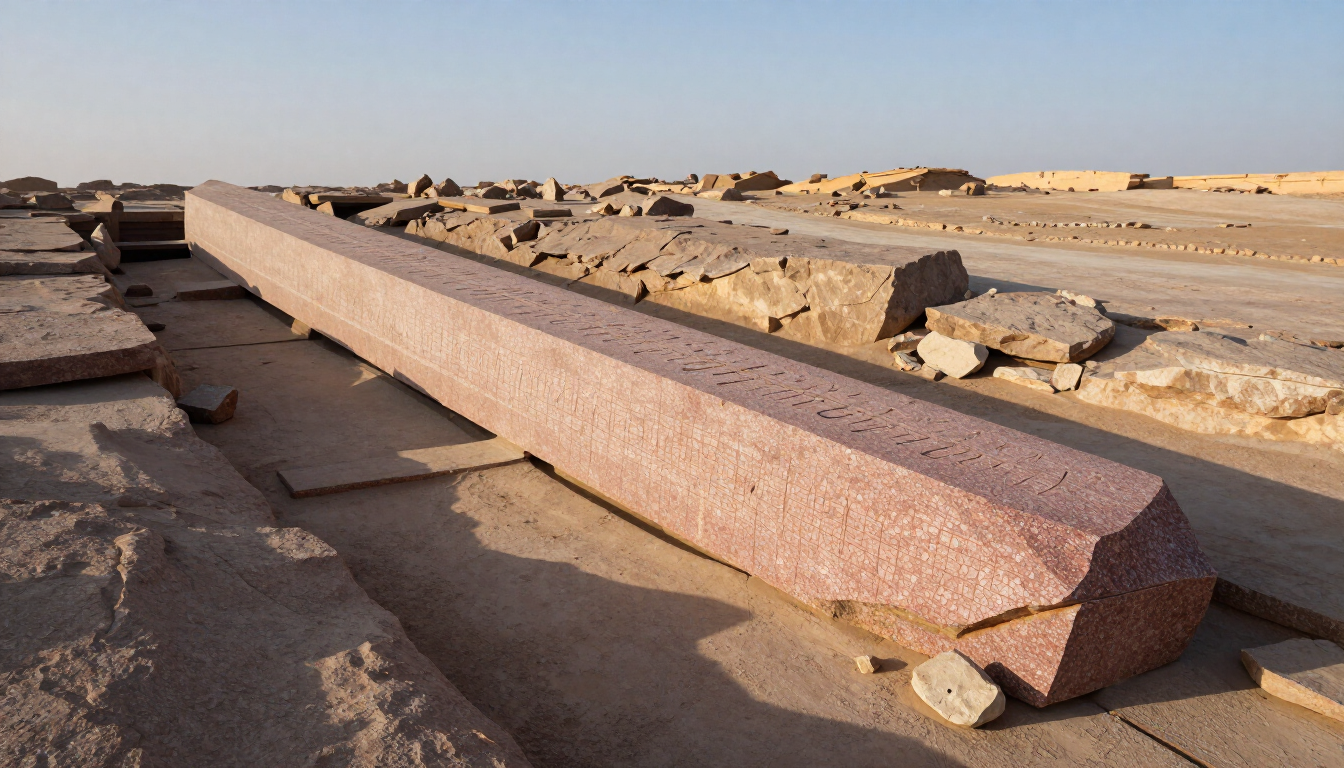
Unfinished Obelisk in Aswan, Egypt
By Red Rose Travel • November 21, 2026
Learn five essential facts about the Unfinished Obelisk in Aswan, including its immense scale, Hatshepsut’s order, granite carving, and the crack that ended its construction.
Kalabsha Temple in Aswan beside Lake Nasser
By Red Rose Travel • November 21, 2026
Explore Kalabsha Temple in Aswan, its Mandulis carvings, UNESCO relocation, nearby sights, and practical boat and visiting tips.
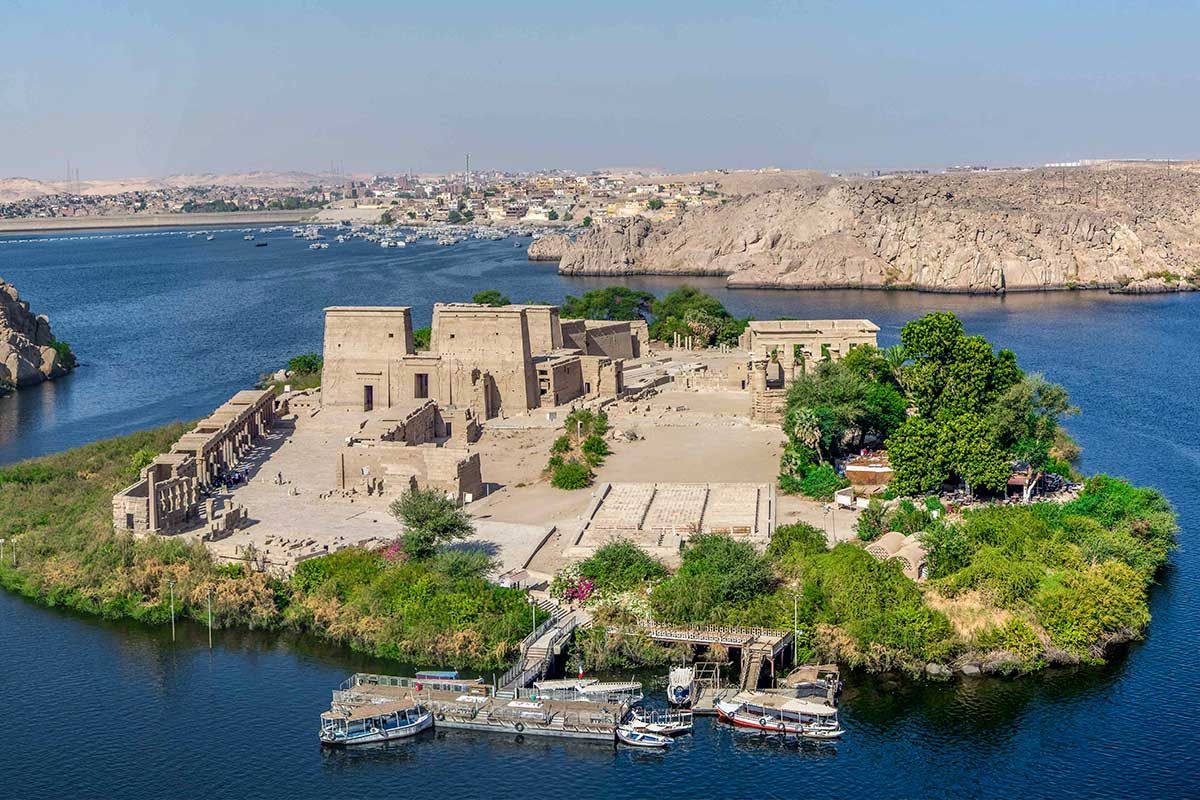
Unlocking the Secrets of Philae Temple
By Red Rose Tours • July 15, 2026
Discover the history, myths, and stunning architecture of the sacred island of Isis. Plan your perfect visit to Philae Temple in Aswan with Red Rose Travel.
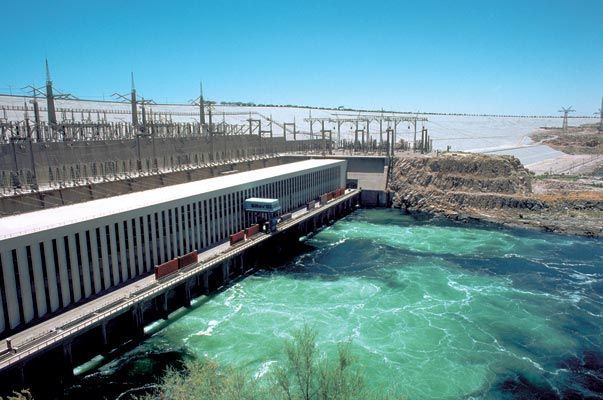
Hydroelectric dam with rushing turquoise water and power lines under a clear blue sky
By Red Rose Tours • July 14, 2026
Learn the history, scale, and incredible UNESCO rescue story behind the mighty Aswan High Dam. Explore this modern Egyptian wonder with Red Rose Tours.
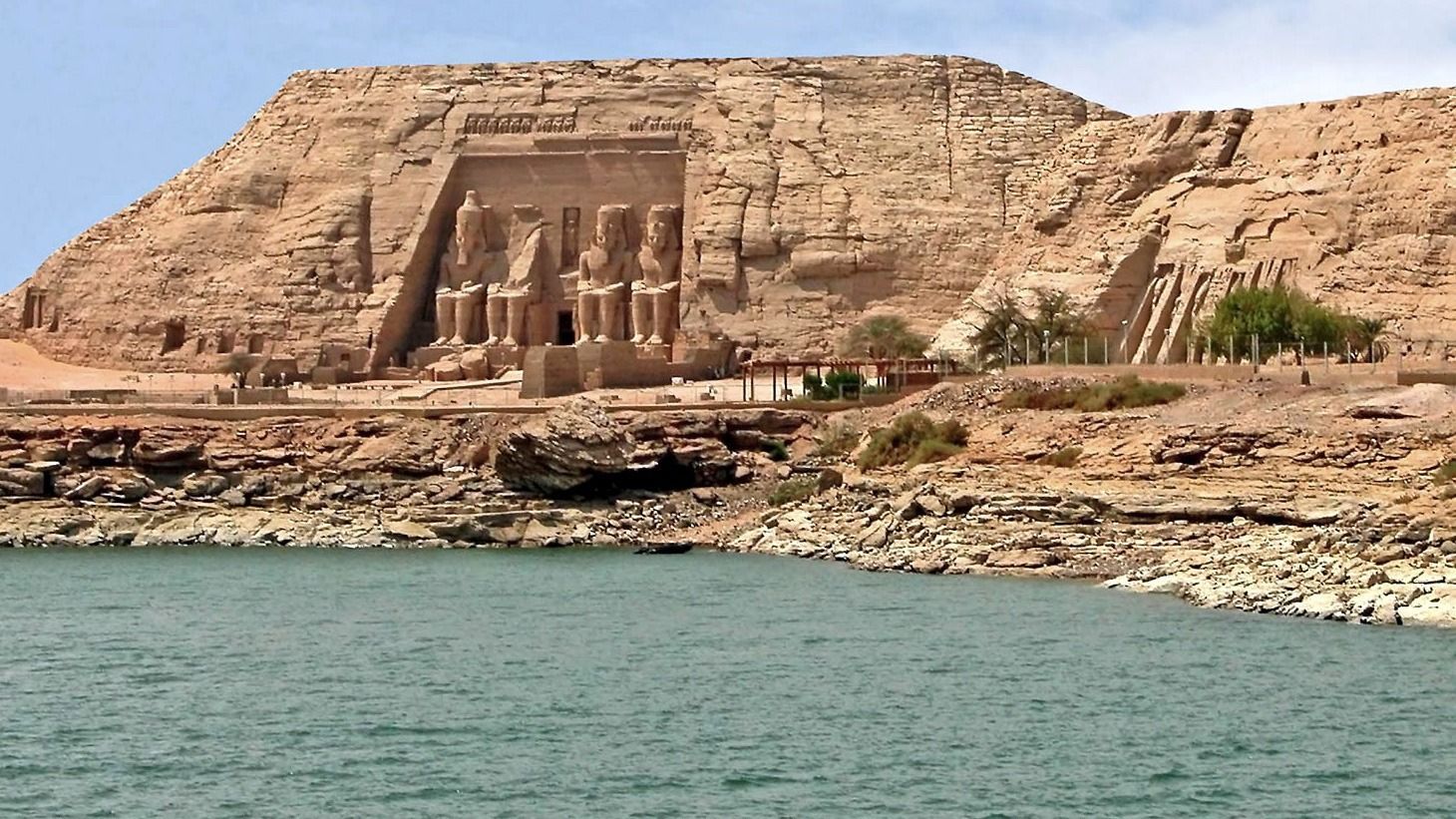
Ancient rock-cut temple on a desert cliff beside blue-green water under a clear sky
By Red Rose Tours • May 17, 2026
Deep in the Nubian desert, carved directly into the heart of a solid mountain, stands one of humanity's most breathtaking architectural achievements: the twin temples of Abu Simbel. Built over 3,000 years ago by Egypt’s most powerful pharaoh, Ramesses II, this UNESCO World Heritage site is a masterclass in ancient engineering, royal ego, and deep romantic devotion. If you are planning a trip to Egypt with Red Rose Travel, Abu Simbel is an absolute must-see destination that will leave you utterly speechless. In this ultimate guide, we’ll explore the history, the mysteries, and the practical travel tips you need to know before you stand in the shadow of these ancient giants.
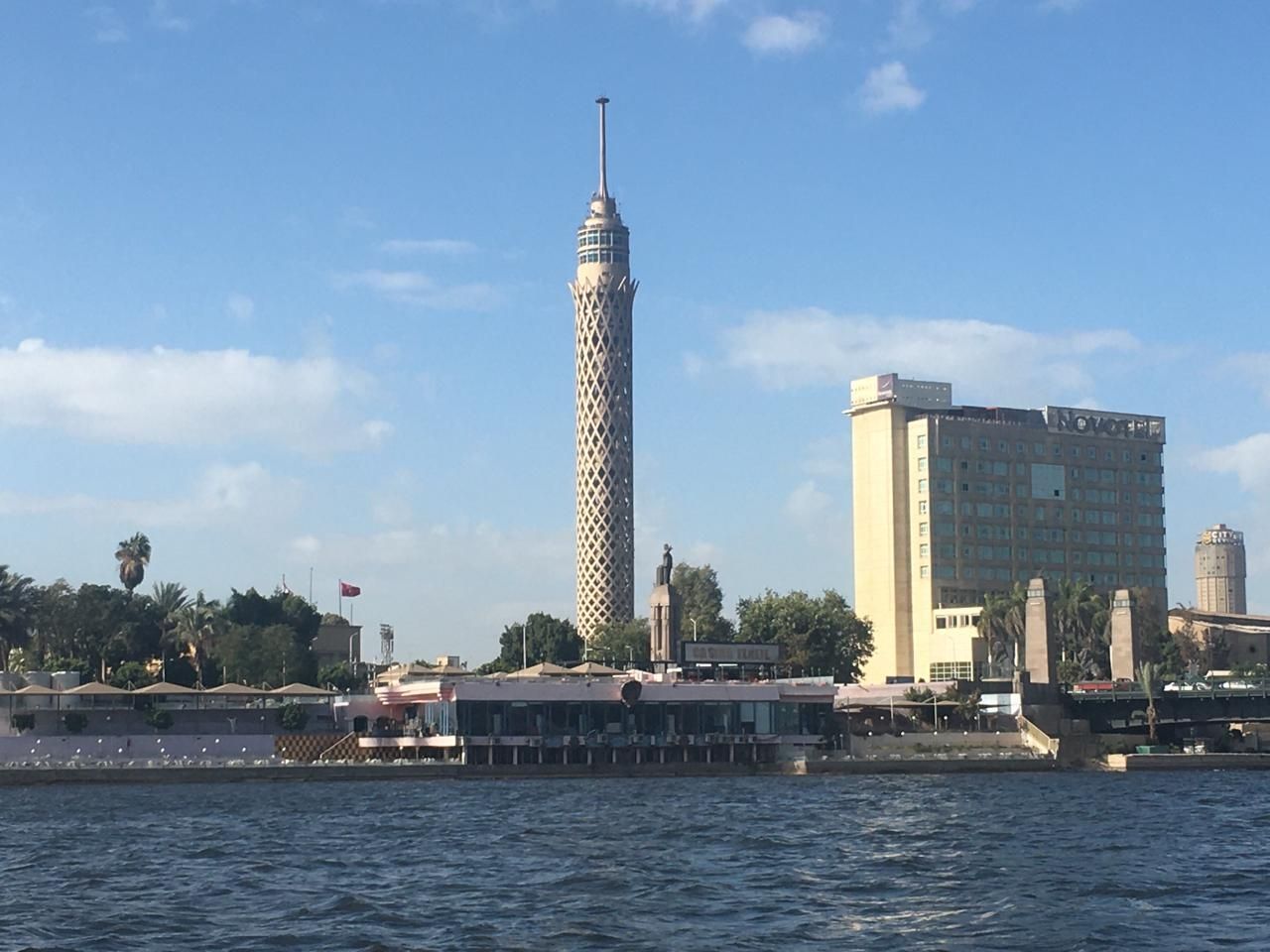
Cairo skyline with Cairo Tower and a riverside building beside the Nile under a clear blue sky
By Red Rose Tours • May 7, 2026
Discover the iconic Cairo Tower in Zamalek. Get 360° panoramic views of the Nile and Pyramids, visit the revolving restaurant.