
Nile Cruises: A Quick Guide to Sailing Upper Egypt’s Historic River
Nile River cruises between Luxor and Aswan are one of Egypt’s most relaxing ways to experience ancient history and rural landscapes. The journey follows the historic Nile through palm-lined banks, quiet villages, fertile fields, and remarkable riverside temples, combining scenic travel with guided visits to some of the country’s greatest archaeological sites.
What are Nile River cruises between Luxor and Aswan like?
Most cruises travel south from Luxor to Aswan over several days, stopping at important temples along the way. Days usually include sightseeing, time on deck, and views of village life. The pace is gentler than a road journey, allowing travelers to enjoy both Egypt’s history and its peaceful river scenery.
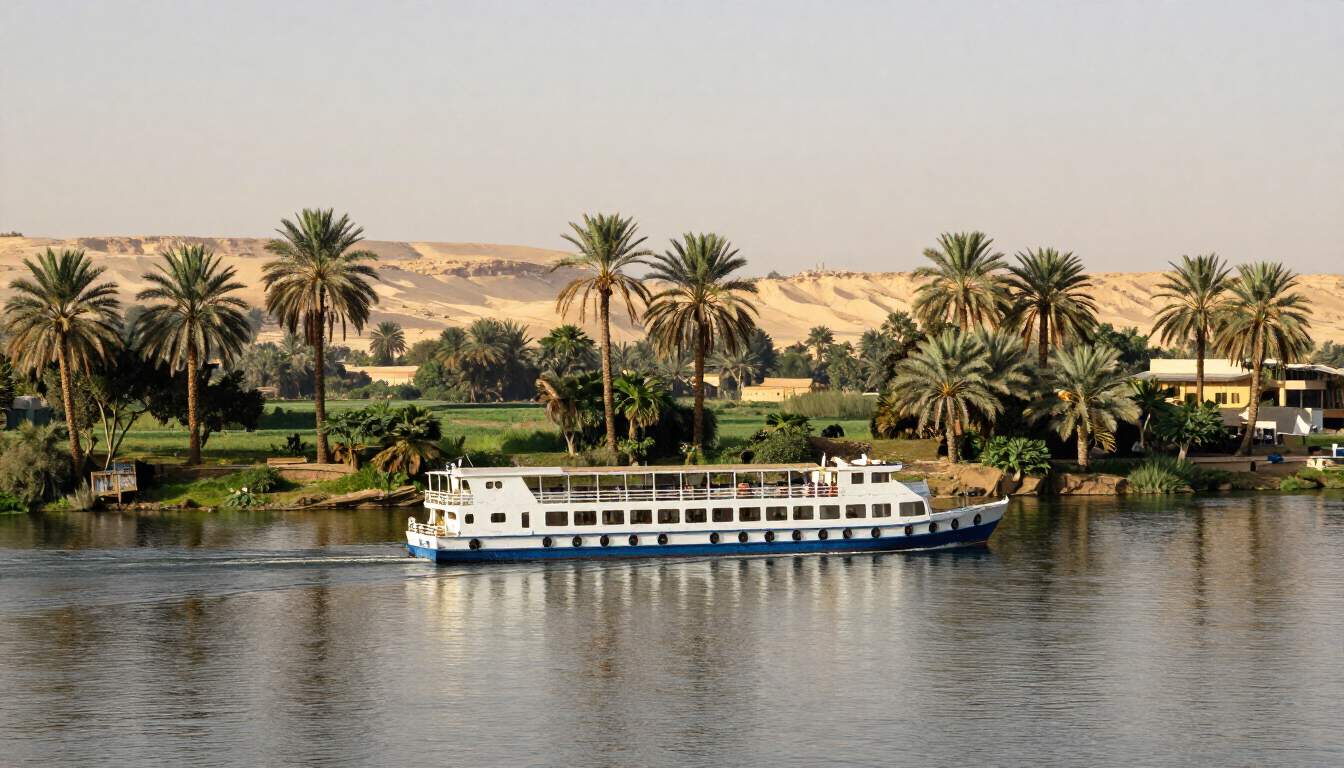
The landscape changes little but remains captivating. Date palms lean toward the water, small boats cross the river, and farmers work beside bright green fields. Beyond the cultivated strip, the desert begins suddenly, creating a striking contrast between fertile land and golden sand.
Which temples can you see on the route?
The exact stops depend on the cruise schedule, but the classic Luxor-to-Aswan route commonly includes:
- Karnak Temple: A vast complex on Luxor’s east bank, known for its monumental columns and sacred avenues.
- Luxor Temple: Especially atmospheric in the evening, with statues, courtyards, and later Roman influences.
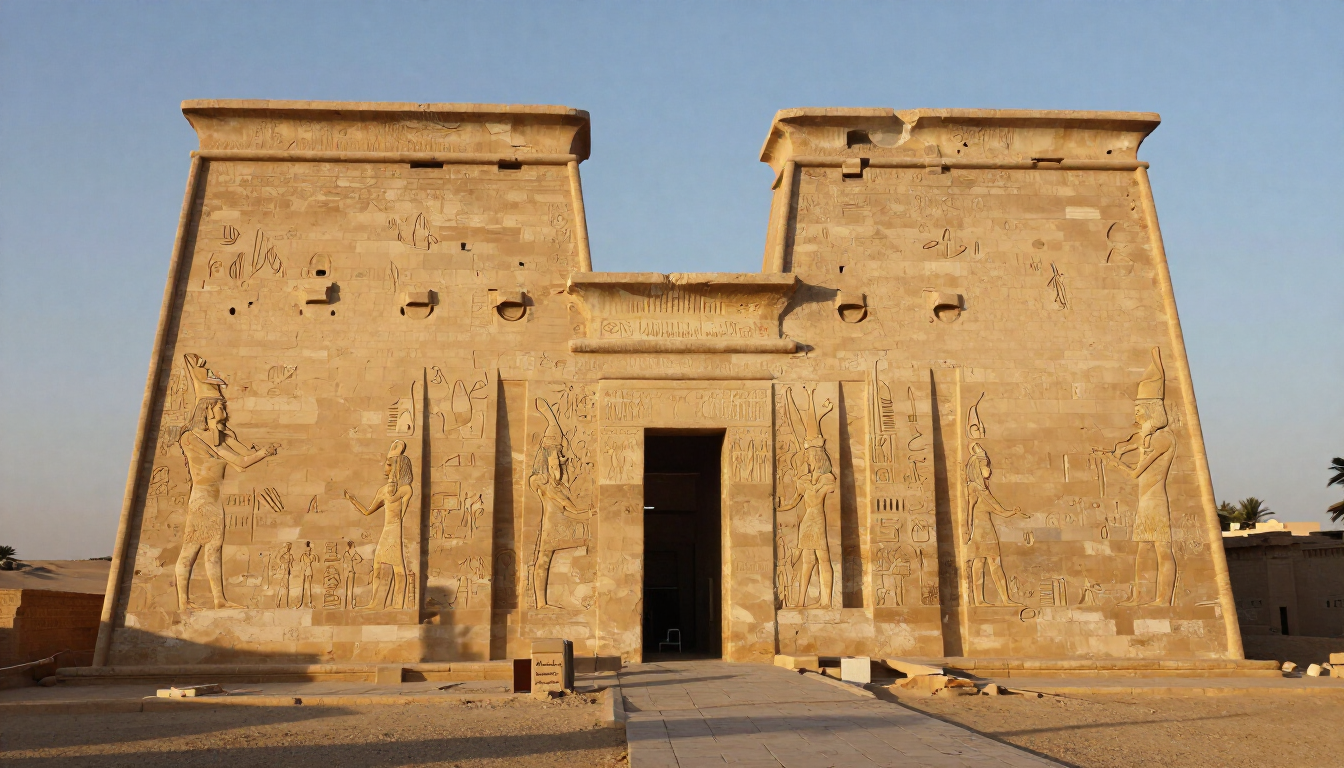
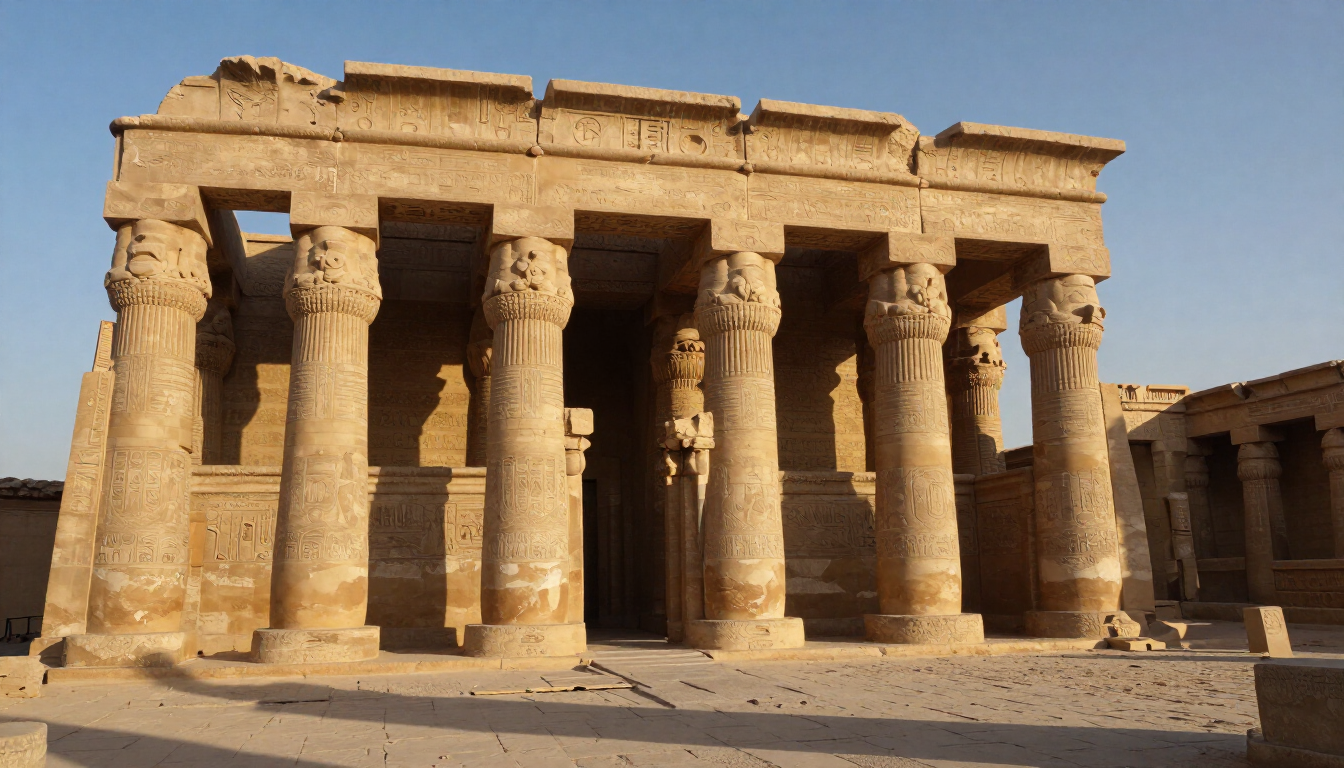
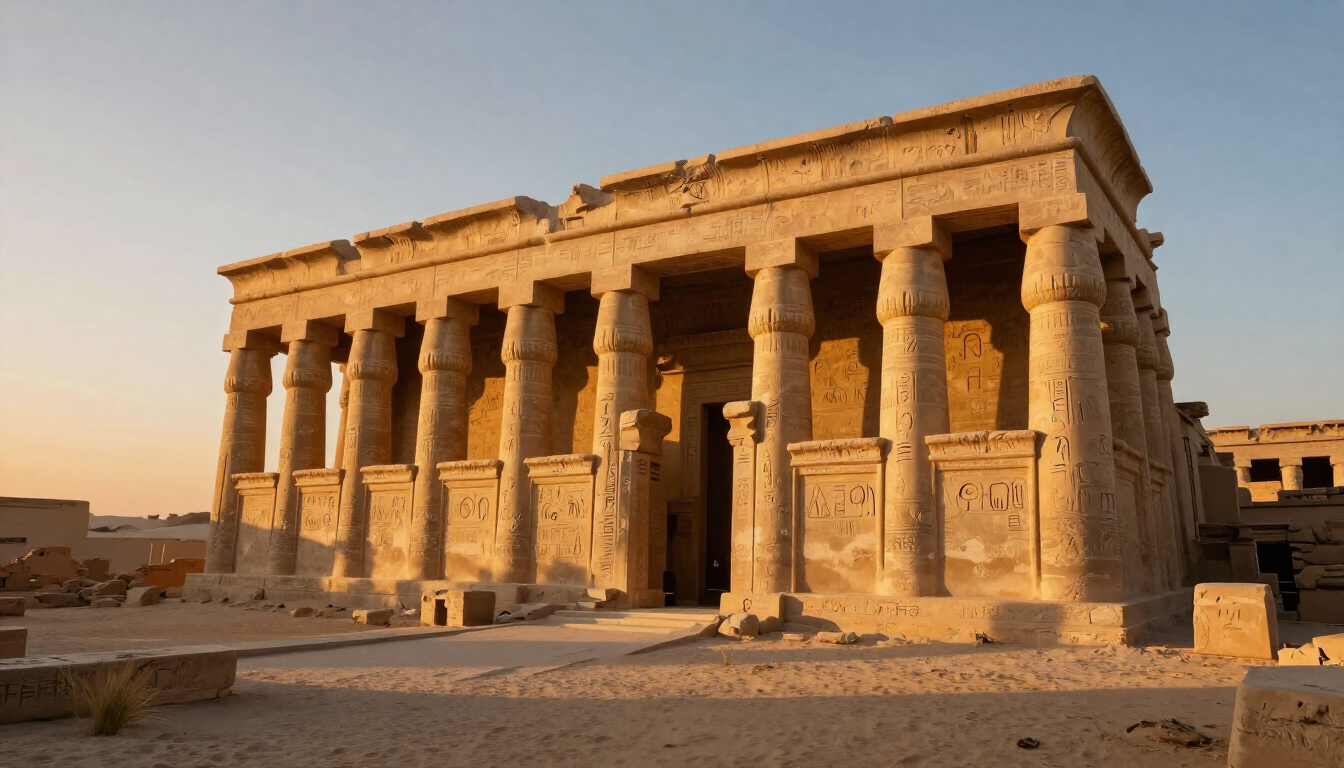
- Edfu Temple: One of Egypt’s best-preserved temples, dedicated to the falcon god Horus.
- Kom Ombo Temple: A unique double temple overlooking the Nile and honoring Sobek and Horus.
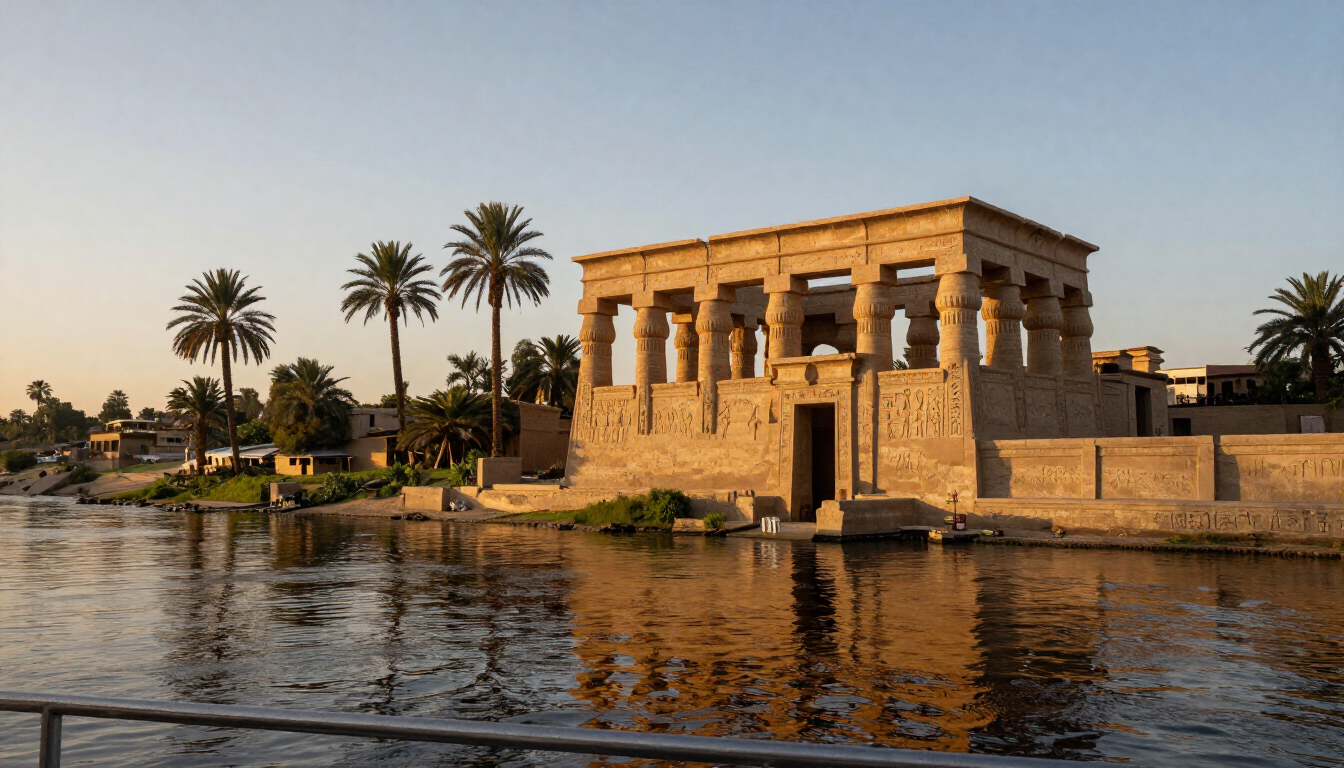
- Philae Temple: Located on an island near Aswan, this beautiful sanctuary is reached by boat.
Luxor is also the starting point for exploring the Valley of the Kings and the temples on the West Bank. Travelers who want more time in the area can explore Luxor Day Tours before boarding a cruise.
The peaceful rhythm of the Nile
A Nile cruise is not only a sightseeing trip. Much of its appeal comes from the quiet hours between temple visits. Sit on the upper deck, watch birds along the shoreline, or observe fishermen and local boats moving with the current.
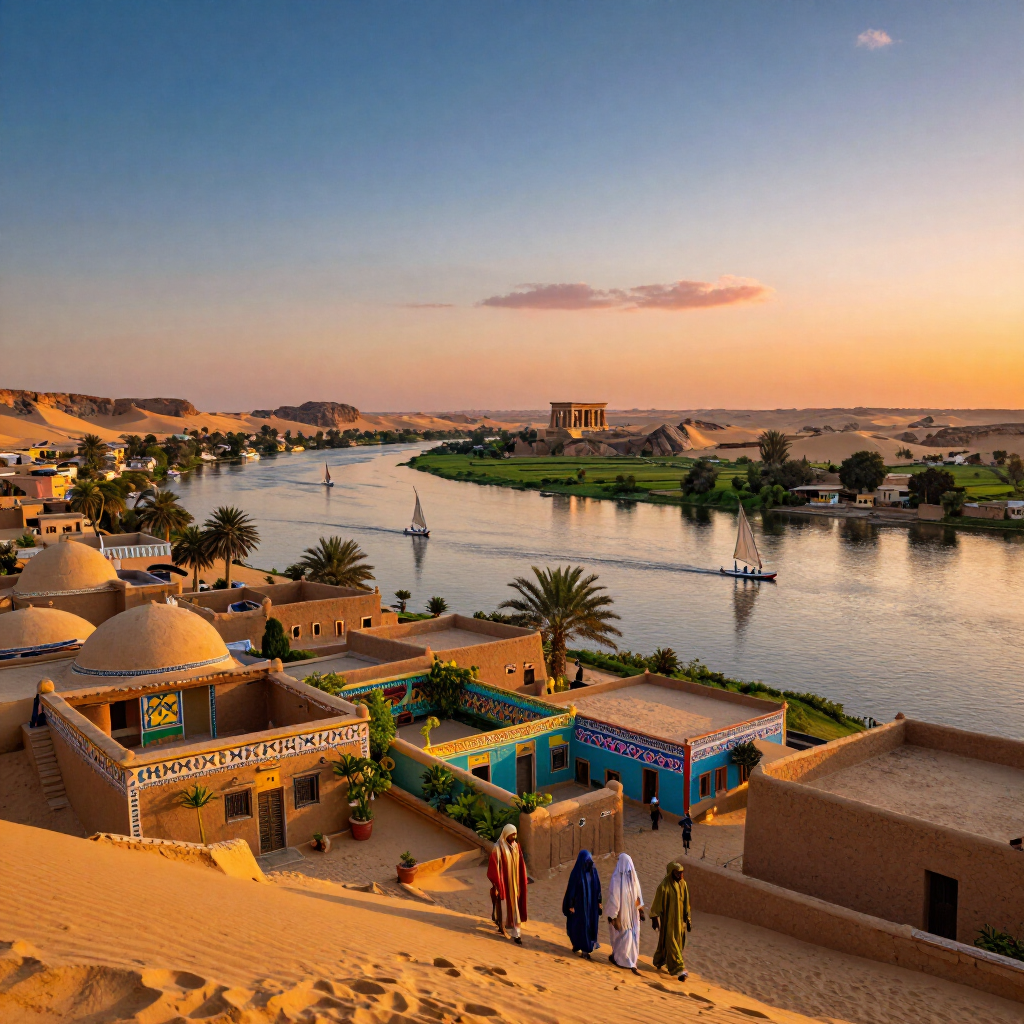
Sunrise and sunset are particularly memorable. The low light softens the desert and turns the river gold, while the silhouettes of palms create some of the journey’s most recognizable views. Bring a camera, but also leave time to simply watch the landscape.
When is the best time for a Nile cruise?
The cooler months, generally from October through April, are often the most comfortable for temple visits and time outdoors. Summer can be extremely hot, particularly during midday excursions, although the river breeze may make afternoons on board more pleasant.
What should first-time visitors know?
Keep these practical points in mind:
- Expect early starts for some guided visits.
- Carry water during temple walks.
- Bring modest clothing for cultural sites and villages.
- Keep small essentials in a day bag, including sunscreen and medication.
- Allow extra time before or after the cruise to explore Luxor or Aswan.
You can use Egypt Travel Packages for broader trip planning, or explore Aswan Day Tours to understand what can be added around the southern end of the journey.
Final thoughts
Nile River cruises are ideal for travelers who want to combine Egypt’s ancient monuments with a slower, more scenic travel experience. The route from Luxor to Aswan offers peaceful river views, palm-lined countryside, and access to extraordinary temples such as Edfu, Kom Ombo, and Philae. Choose the season that suits your comfort, prepare for walking and strong sunlight, and leave time to enjoy the river between excursions. Before planning your itinerary, decide whether you want extra days in Luxor, Aswan, or both, then compare the route with your wider Egypt travel plans.