

A Quick Visitor Guide to the Bibliotheca Alexandrina

Red Rose Travel • November 22, 2026

Share this article

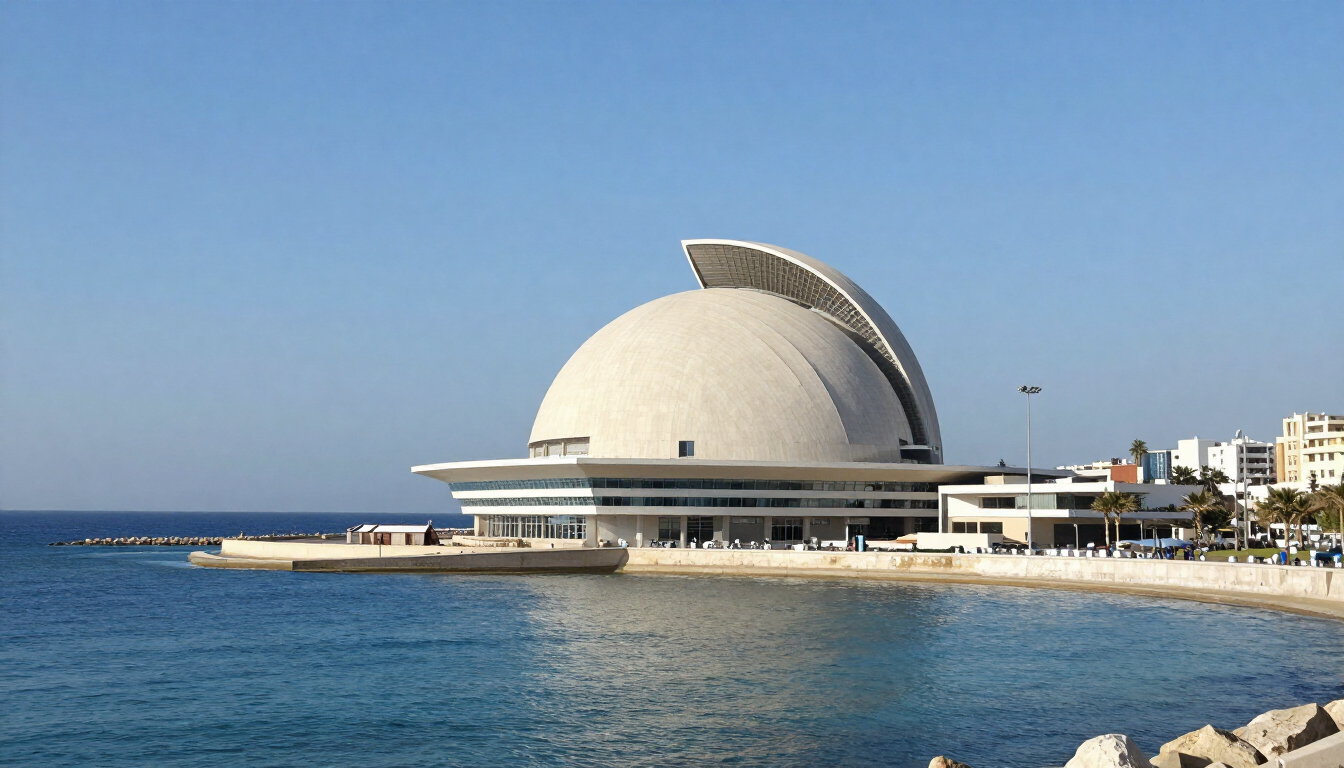
The Bibliotheca Alexandrina is a modern library and cultural center in Alexandria, Egypt, inspired by the ancient Great Library. Its circular sun-disc building faces the Mediterranean and combines a vast reading room, museums, galleries, research facilities, and public spaces dedicated to knowledge and cultural exchange.

Bibliotheca Alexandrina facing the Mediterranean Sea

What is the Bibliotheca Alexandrina?

The Bibliotheca Alexandrina, often called the Alexandria Library, is one of Egypt’s most important modern cultural landmarks. It opened in 2002 near the site traditionally associated with the ancient library.

The project was created to renew Alexandria’s historic connection with learning. It is not an exact reconstruction of the ancient building. Instead, it is a contemporary institution that reflects the original library’s spirit: collecting knowledge, encouraging research, and bringing people together through education and culture.

The library serves students, researchers, residents, and international visitors. Its activities extend beyond books and include exhibitions, lectures, artistic performances, digital archives, and educational programs.

How does the building reflect Alexandria’s history?

The architecture is designed to suggest a rising sun over the Mediterranean. The main structure is a broad, tilted circular form that appears to emerge from the ground and face the sea. This shape creates a strong connection between the library, Alexandria’s coastline, and the ancient world.

The building’s design also represents the movement of knowledge. Its open, modern appearance contrasts with the city’s older streets and historic monuments, showing how Alexandria continues to develop while remembering its past.

Visitors interested in Egypt’s wider heritage can also explore these Egypt travel packages or learn about other destinations through the Travel Tips page.

The sun-disc architecture and granite wall

One of the Bibliotheca Alexandrina’s most recognizable features is its immense circular roof. From a distance, it resembles a partially visible sun rising from the earth. The roof is covered with geometric patterns and allows carefully controlled natural light into the reading spaces below.

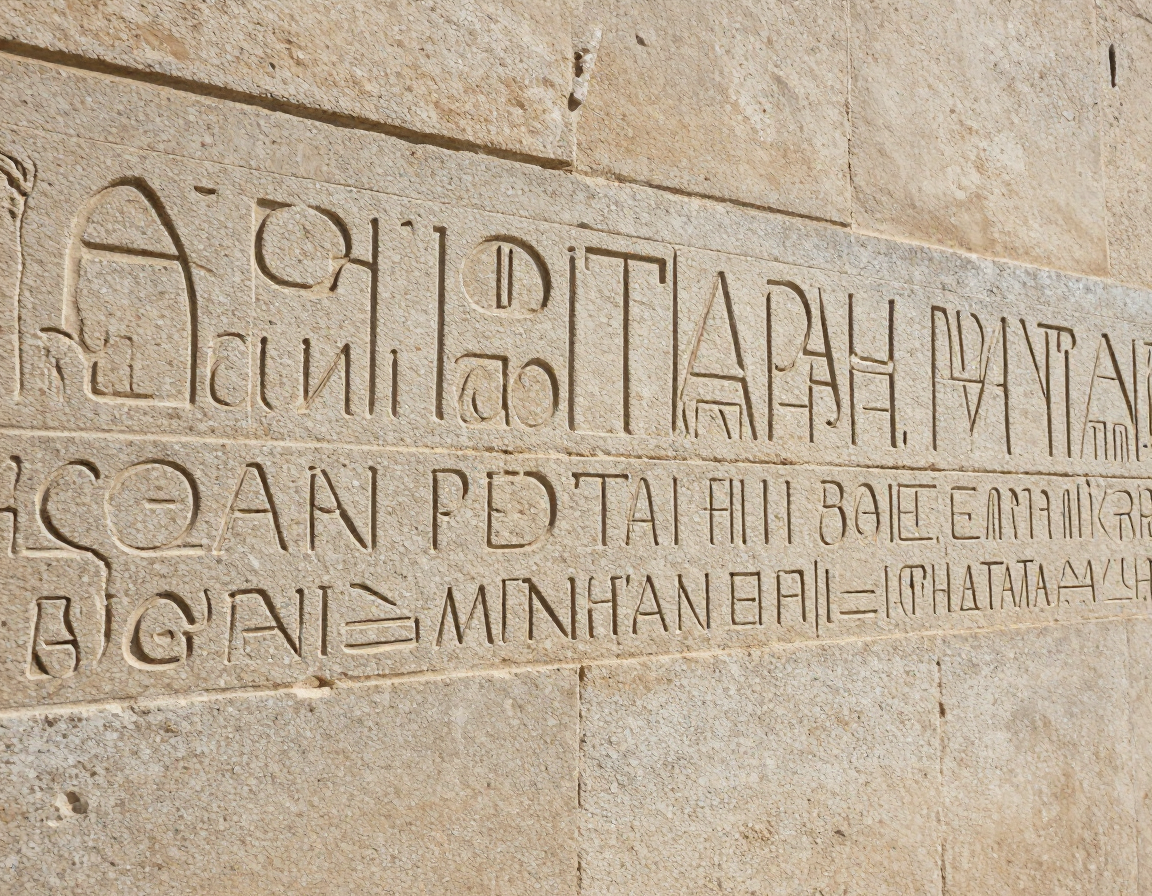
A dramatic granite wall stands beside the main building. It is covered with carved symbols, letters, and scripts from different writing traditions. Rather than presenting one language or civilization as the center of knowledge, the wall suggests the variety of human communication across time.

Carved granite wall at the Bibliotheca Alexandrina

Together, the sun-disc roof and granite wall make the building visually distinctive while expressing ideas of discovery, memory, and shared knowledge.

What can you find inside the modern library?

The Bibliotheca Alexandrina is much more than a traditional library. Its cultural facilities include:

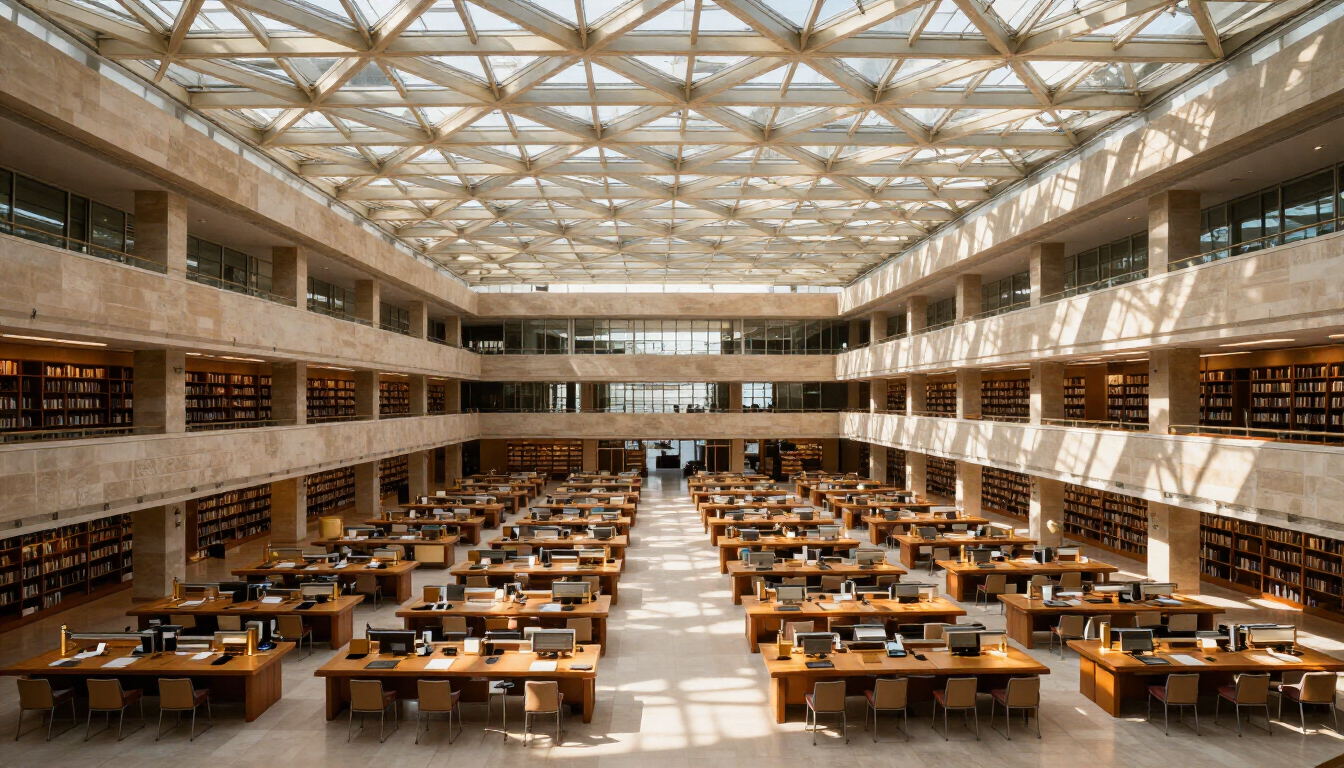
  • A large, multi-level reading room
  • Museums covering antiquities, manuscripts, and science
  • Art galleries and exhibition spaces
  • Research centers and digital collections
  • A planetarium and educational facilities
Interior reading room of a modern Alexandria library

For travelers planning time in the city, Alexandria can complement a wider itinerary such as an Egypt Classic Tour , while visitors seeking flexible experiences can explore Egypt Daily Excursions .

Why is the Bibliotheca Alexandrina important today?

The library is important because it keeps Alexandria’s identity as a center of learning alive. It welcomes different fields of knowledge and encourages dialogue between history, science, literature, art, and technology.

Its importance is also symbolic. The ancient Great Library became one of history’s most famous centers of scholarship, even though much of its story remains uncertain. The modern Bibliotheca Alexandrina does not claim to recreate that lost institution. Instead, it carries forward its ambition by making knowledge accessible in a contemporary setting.

Key takeaway

The Bibliotheca Alexandrina is a modern cultural landmark shaped by Alexandria’s ancient reputation for learning. Its Mediterranean-facing sun-disc architecture, engraved granite wall, reading spaces, museums, and research facilities make it more than a library. It is a meeting place for history, education, art, and international culture. Add it to an Alexandria itinerary if you want to understand how Egypt connects its ancient heritage with modern creativity. Before planning your route, compare broader Egypt Nile Cruise Tour Packages or contact Red Rose Tours for general trip-planning assistance.

Recent Posts

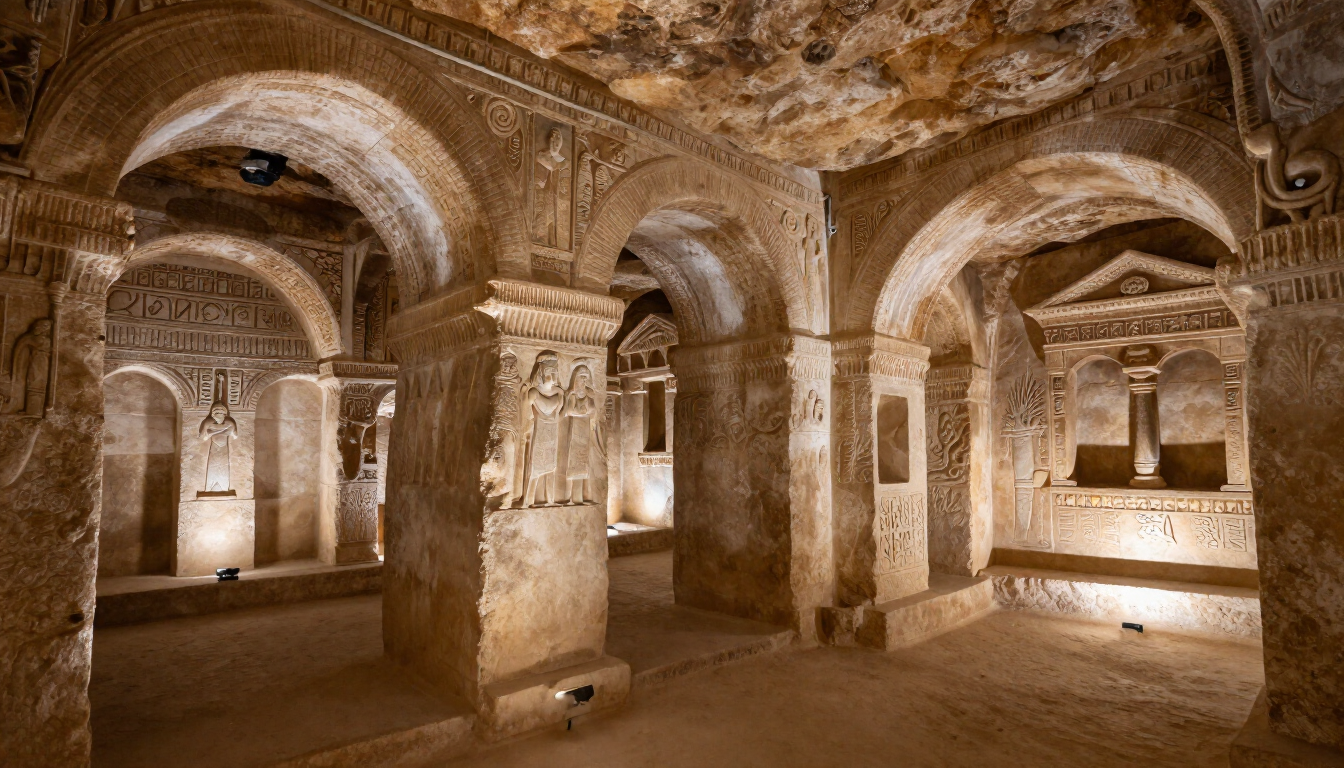
Catacombs of Kom El Shoqafa underground burial chambers in Alexandria, Egypt
By Red Rose Travel • November 22, 2026
Explore the Catacombs of Kom El Shoqafa in Alexandria, Egypt, the country’s largest known Roman burial site and a striking blend of Egyptian, Greek, and Roman art.
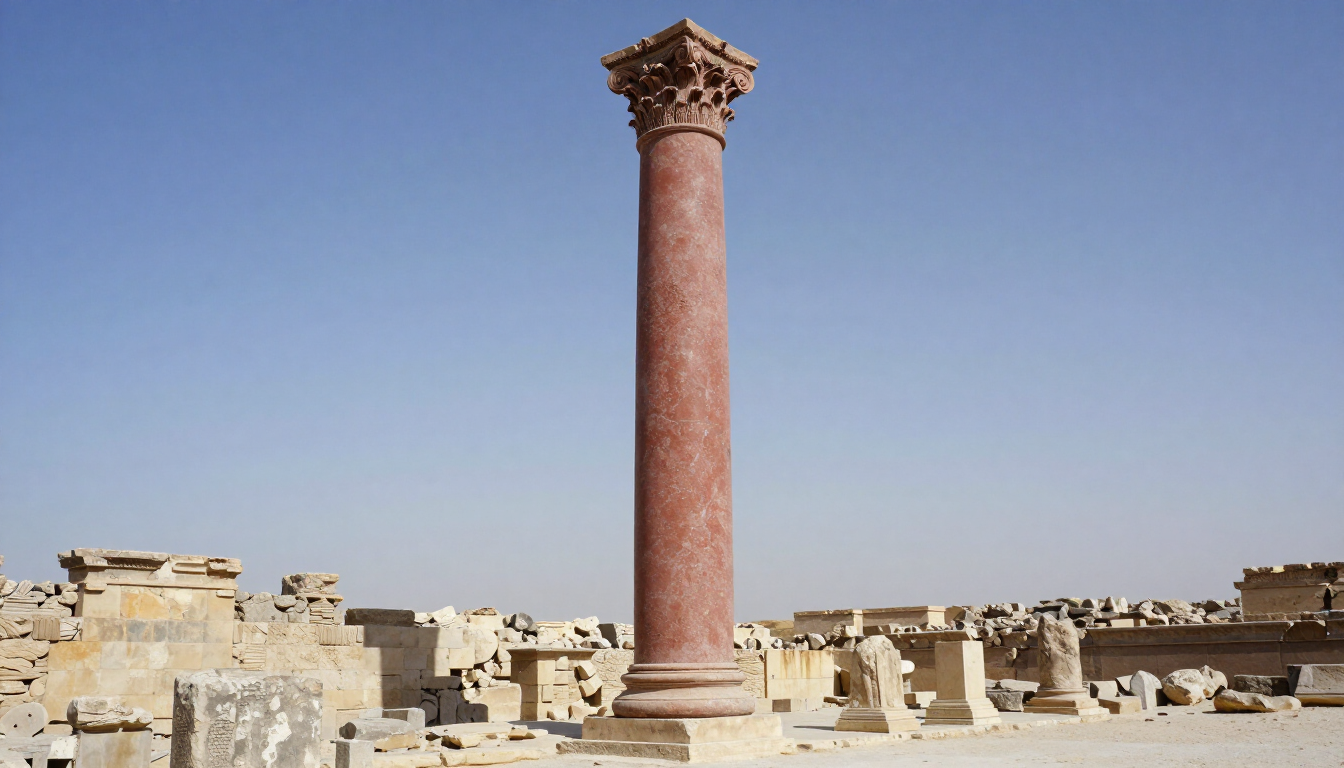
Pompey’s Pillar in Alexandria, Egypt, a red granite Roman column
By Red Rose Travel • November 22, 2026
Learn why Pompey’s Pillar is Egypt’s tallest ancient Roman triumphal column, how it was built from red Aswan granite, and what remains of Alexandria’s Serapeum.
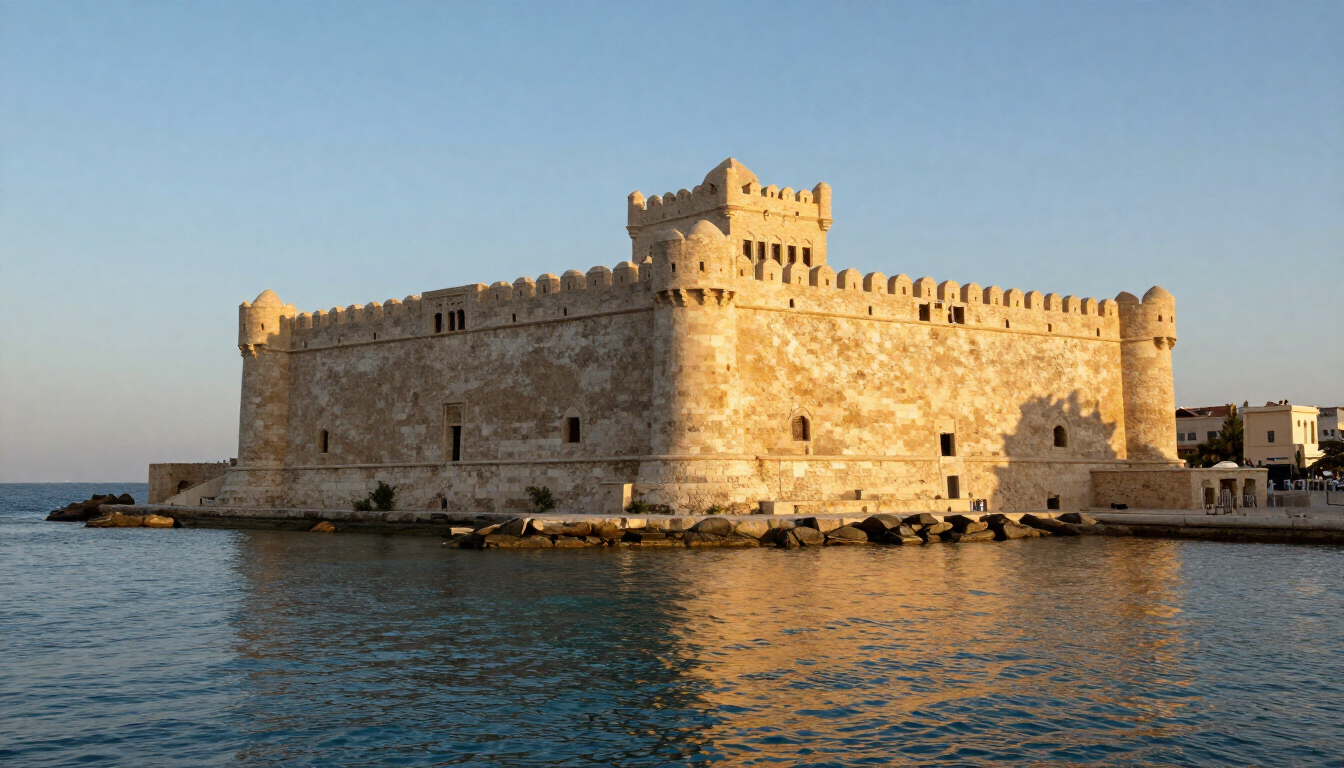
Citadel of Qaitbay in Alexandria, Egypt
By Red Rose Tours • November 22, 2026
Discover the Citadel of Qaitbay in Alexandria, including its 15th-century Mamluk history, coastal defense role, and connection to the ancient Lighthouse of Alexandria.
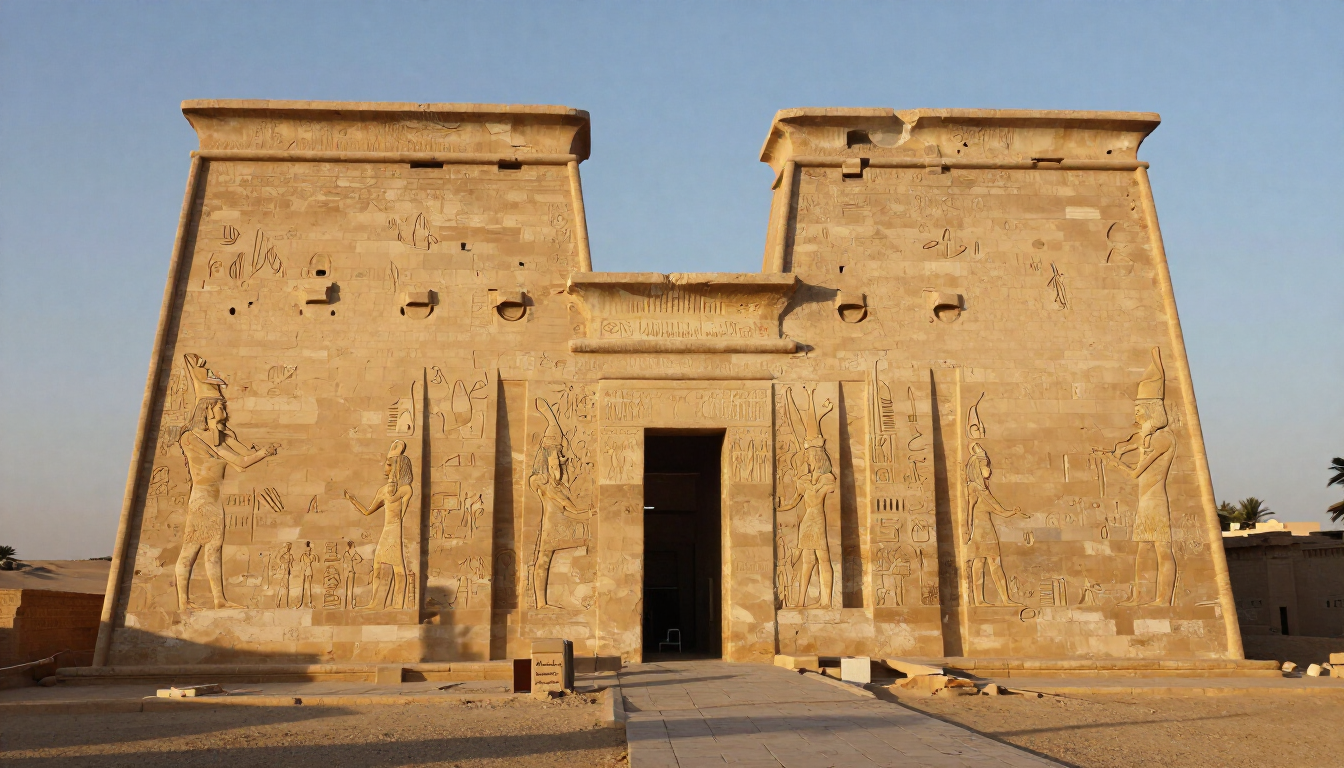
Abydos Temple of Seti I in Sohag, Egypt
By Red Rose Travel • November 22, 2026
Discover Abydos Temple in Sohag, Egypt: its sacred link to Osiris, fine limestone reliefs, the Abydos King List, and the mysterious Osireion.
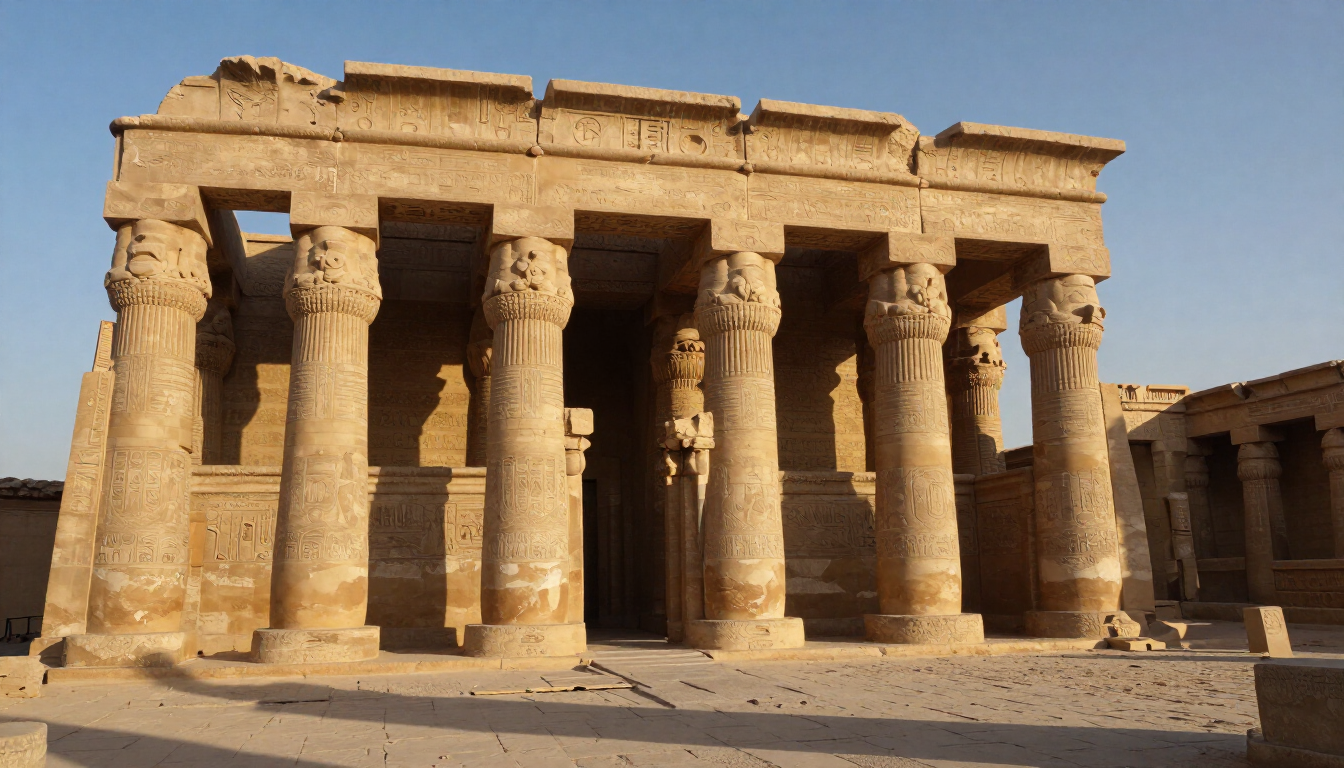
Dendera Temple Complex in Qena, Egypt
By Red Rose Travel • November 22, 2026
Explore the Dendera Temple Complex in Qena, Egypt, including Hathor, colorful ceilings, Greco-Roman architecture, and the famous astronomical zodiac.
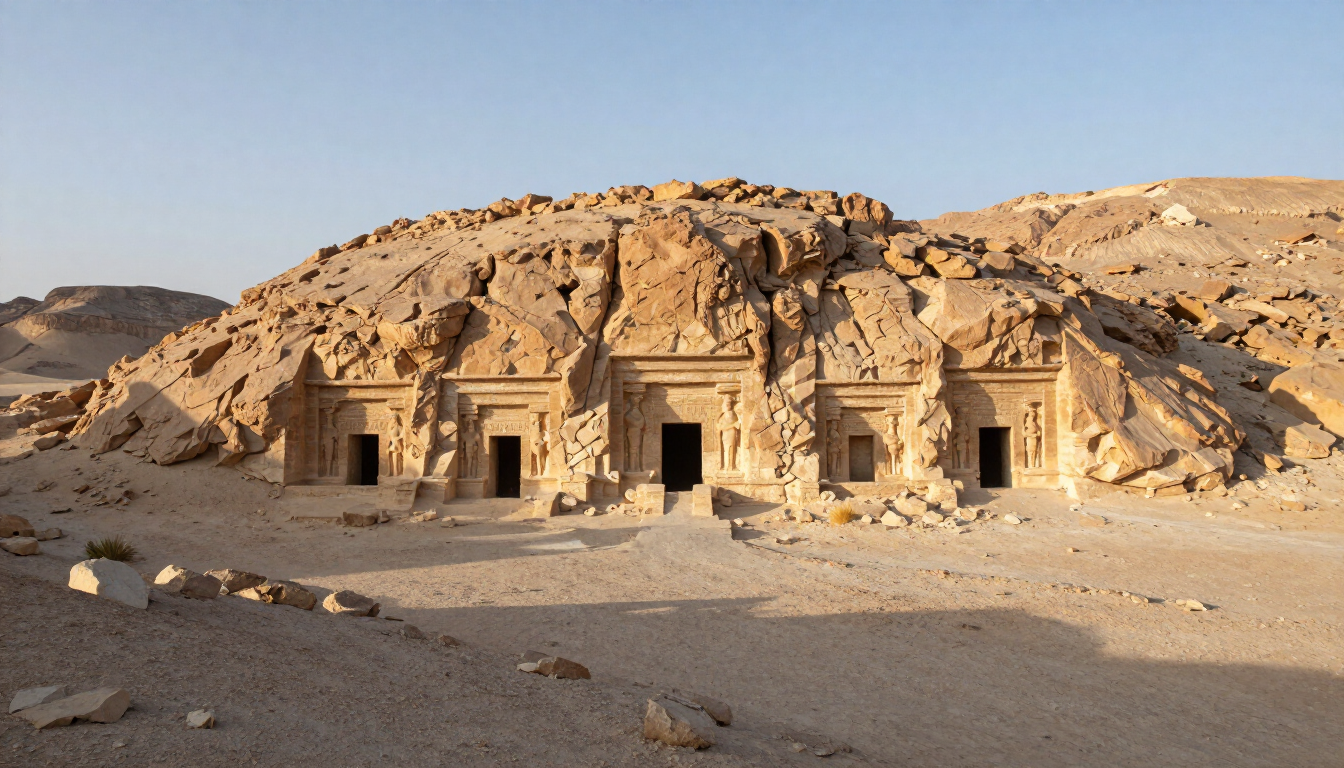
Tombs of the Nobles in Luxor
By Red Rose Travel • November 21, 2026
Discover how the Tombs of the Nobles in Luxor preserve the lives, work, beliefs, and daily routines of ancient Egyptian officials, priests, and governors.
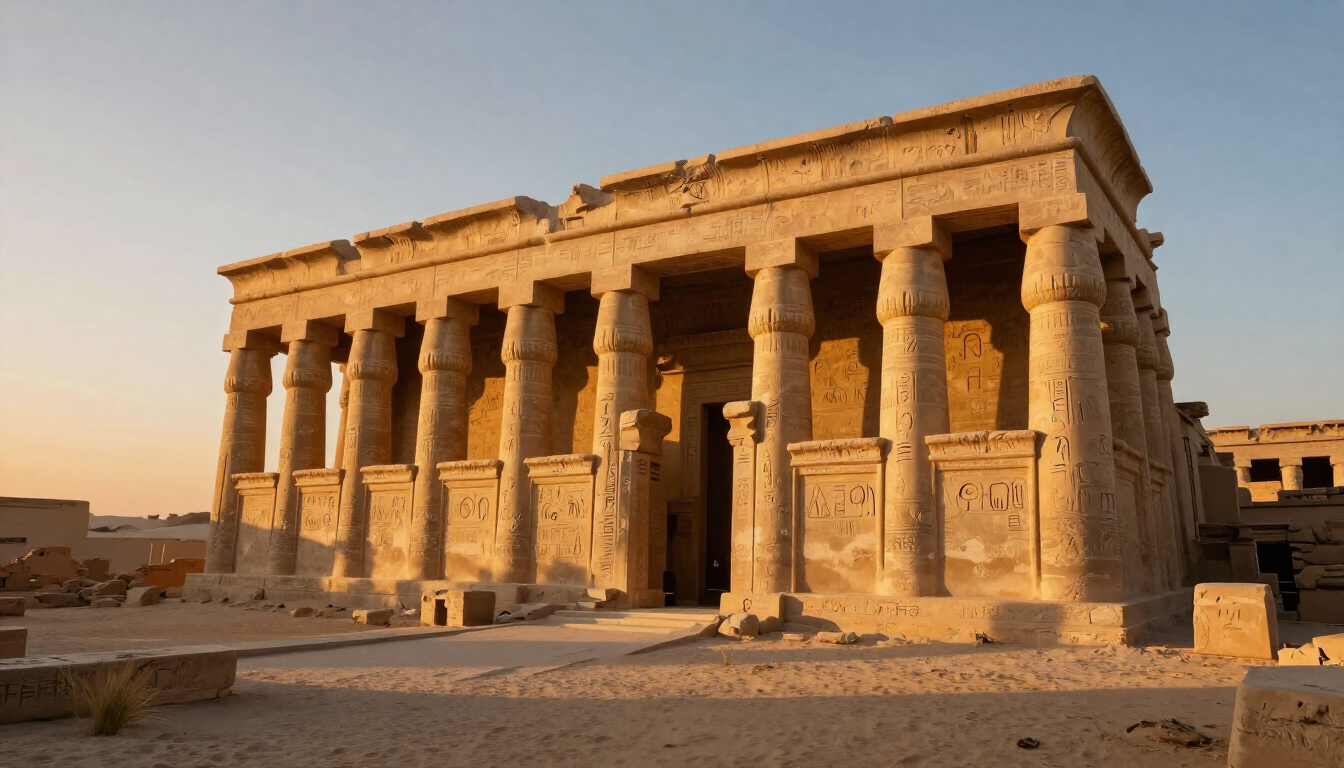
Ramesseum in Luxor, Ramses II’s ancient mortuary temple
By Red Rose Travel • November 21, 2026
Discover the Ramesseum in Luxor, Ramses II’s grand mortuary temple, its New Kingdom architecture, fallen colossus, and link to Shelley’s Ozymandias.
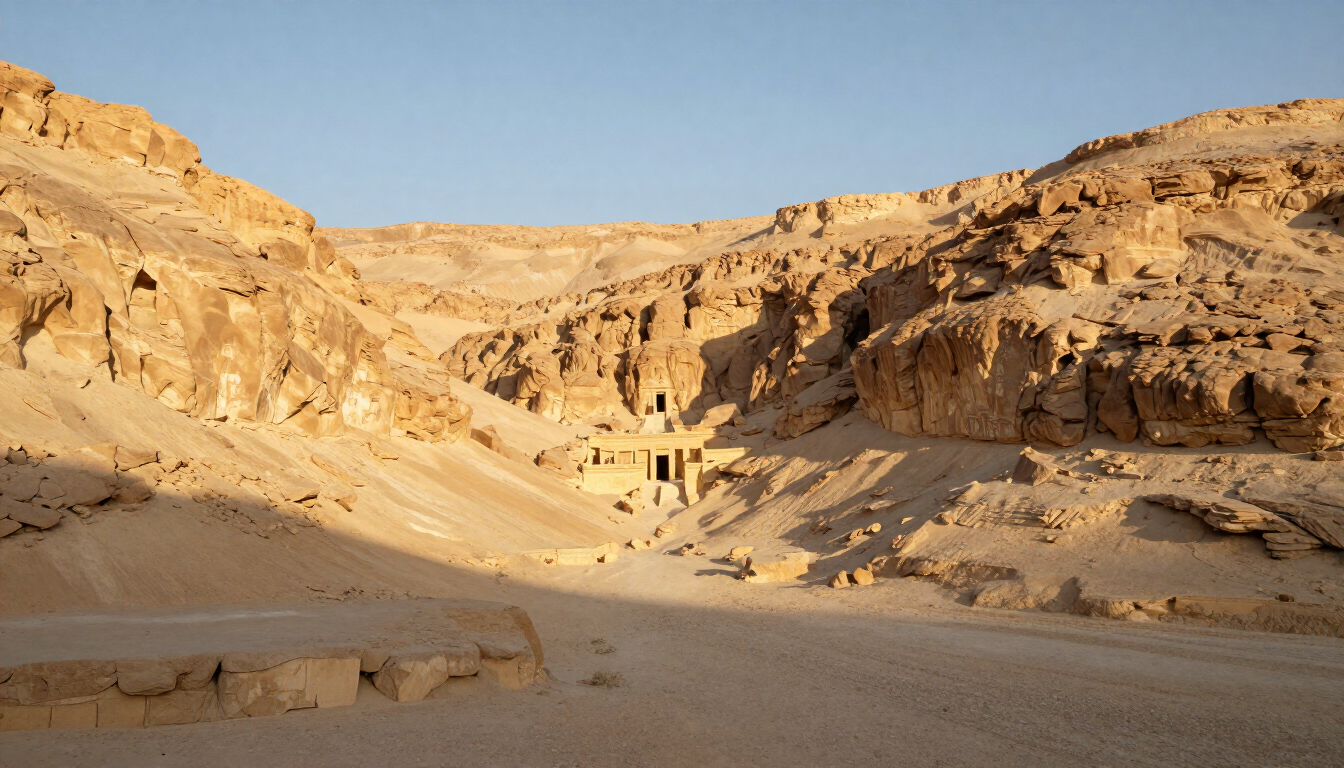
Valley of the Queens in Luxor, Egypt
By Red Rose Travel • November 21, 2026
Discover the Valley of the Queens in Luxor, its ancient name Place of Beauty, New Kingdom burials, Queen Nefertari, and why it matters today.
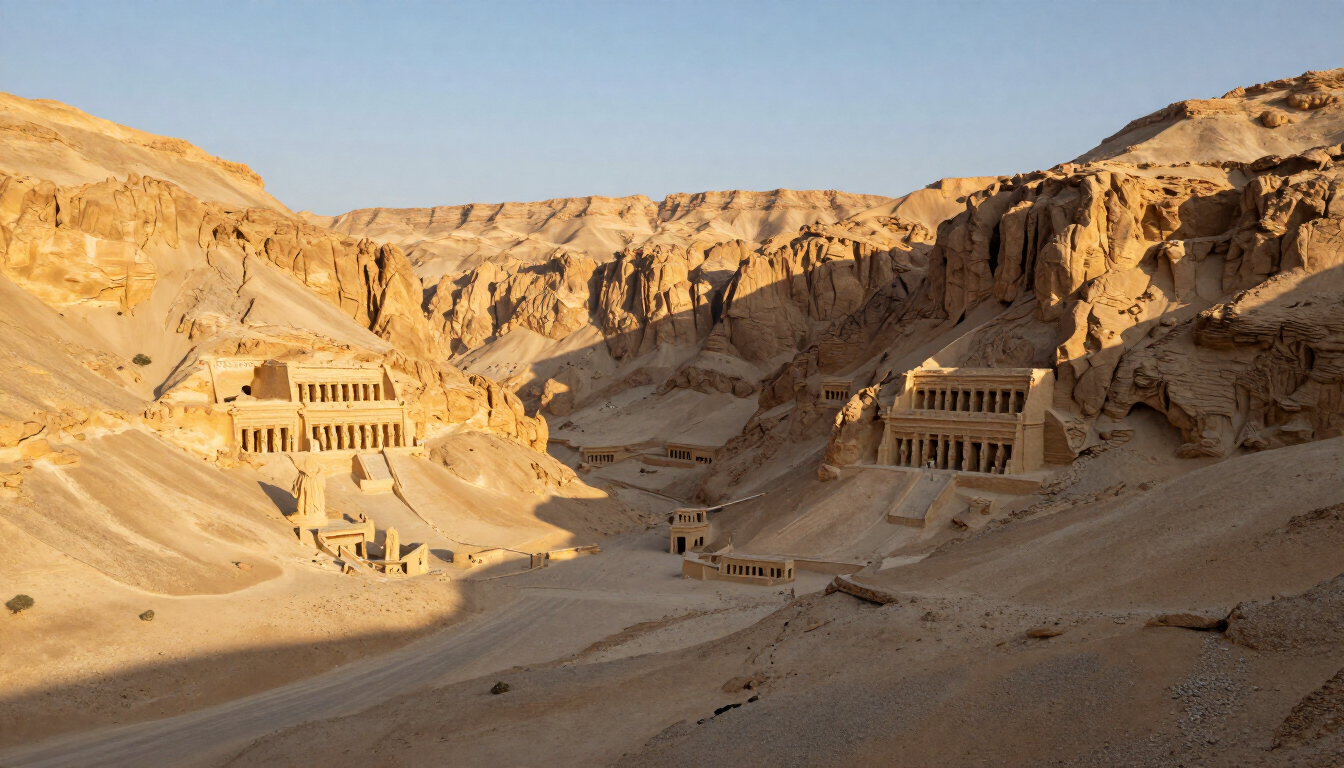
Valley of the Kings in Luxor with desert cliffs and ancient tomb entrances
By Red Rose Tours • November 21, 2026
Discover why the Valley of the Kings became Egypt’s royal burial ground, which famous pharaohs were buried there, and what makes its tombs so important.
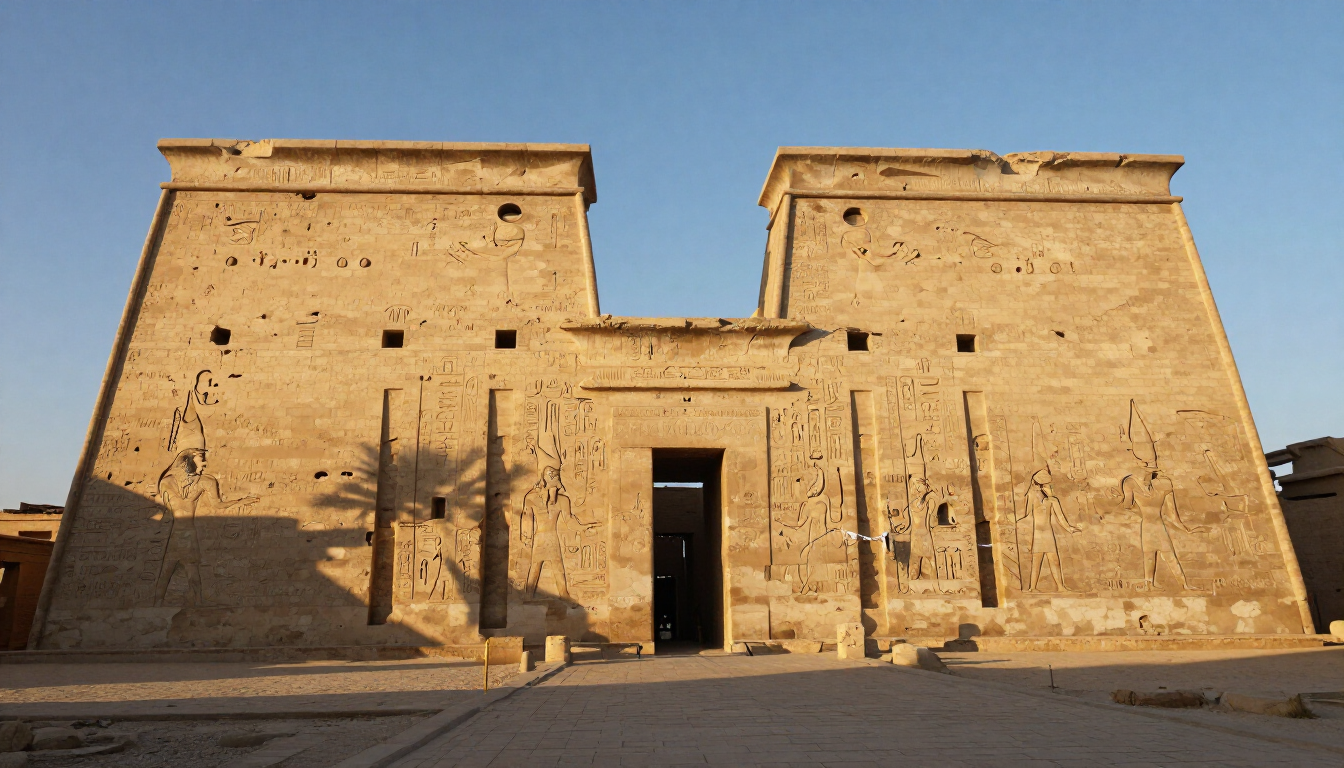
Medinet Habu temple in Luxor, Egypt
By Red Rose Travel • November 21, 2026
Discover Medinet Habu in Luxor, the mortuary temple of Ramses III, including its massive scale, fortified design, history, and remarkably preserved stonework.