
Valley of the Queens: A Quick Guide to Luxor’s Royal Burial Site
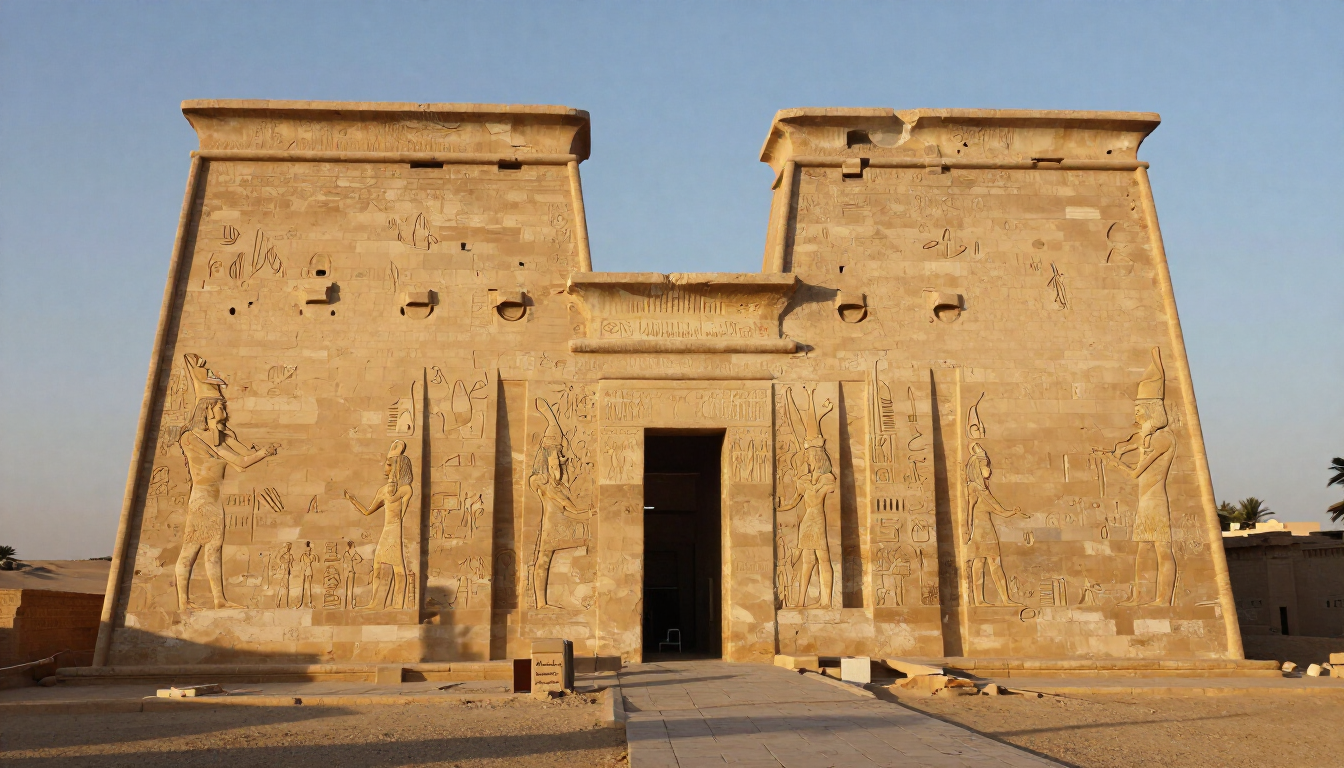
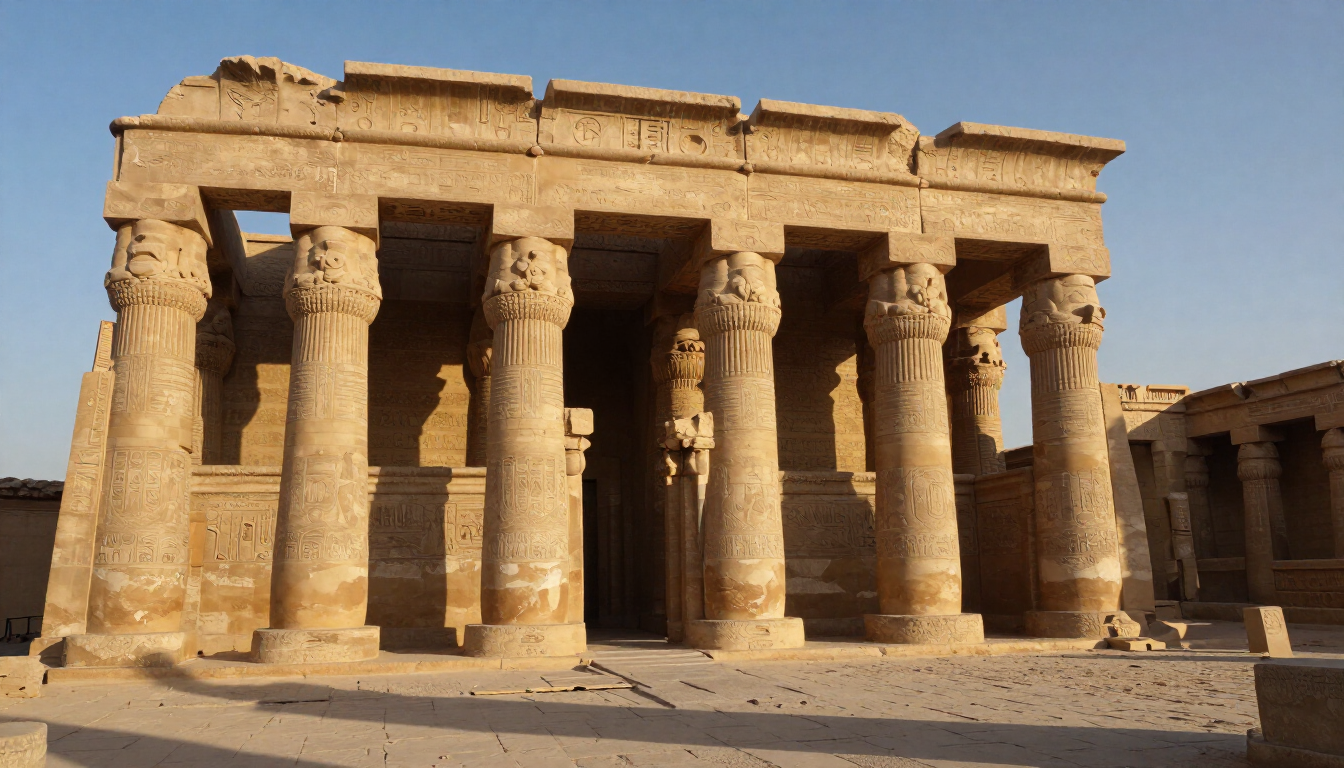
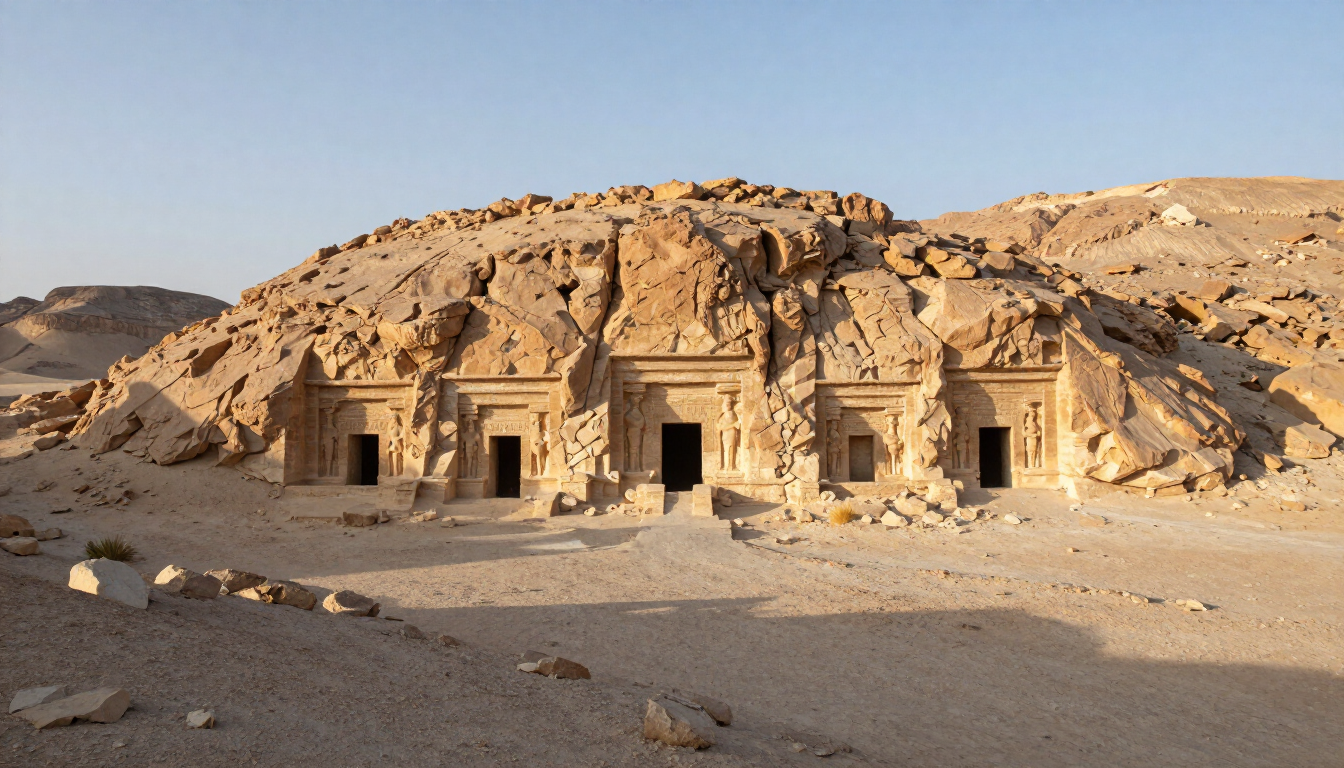
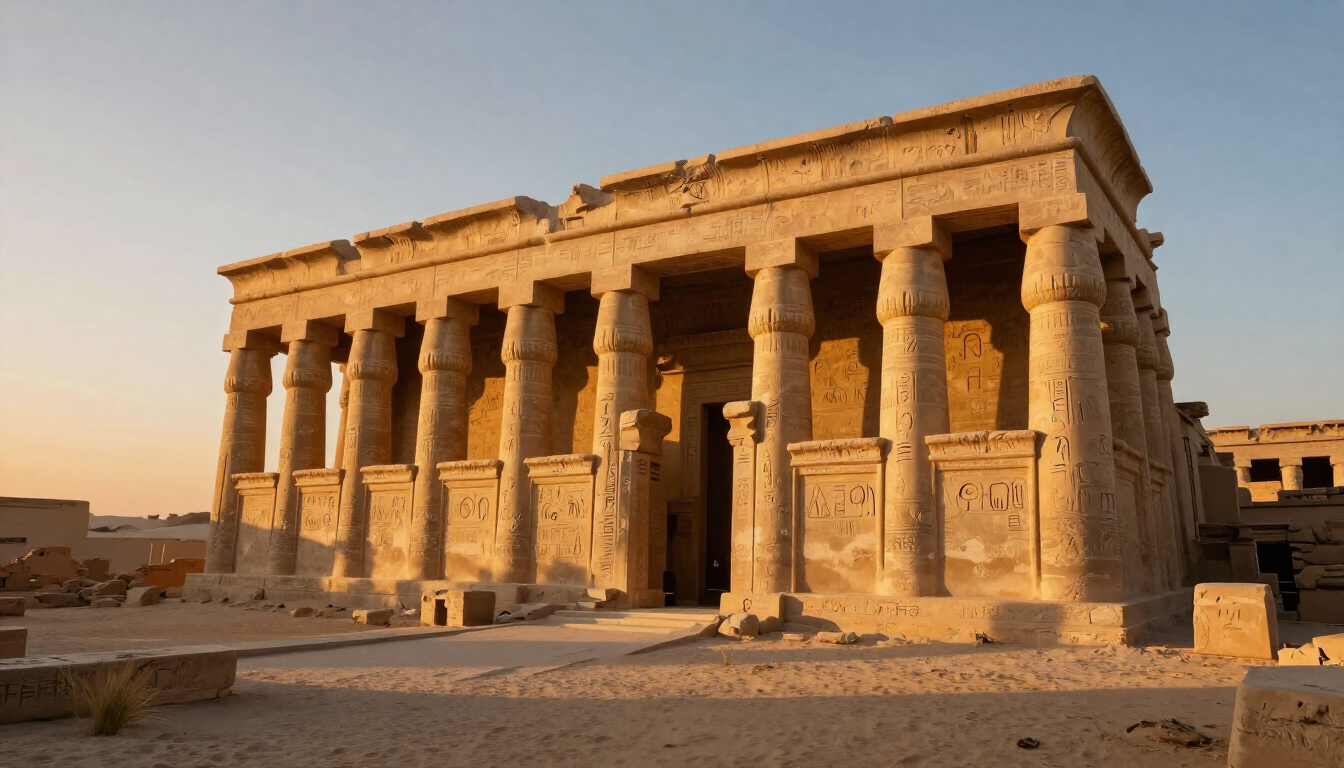
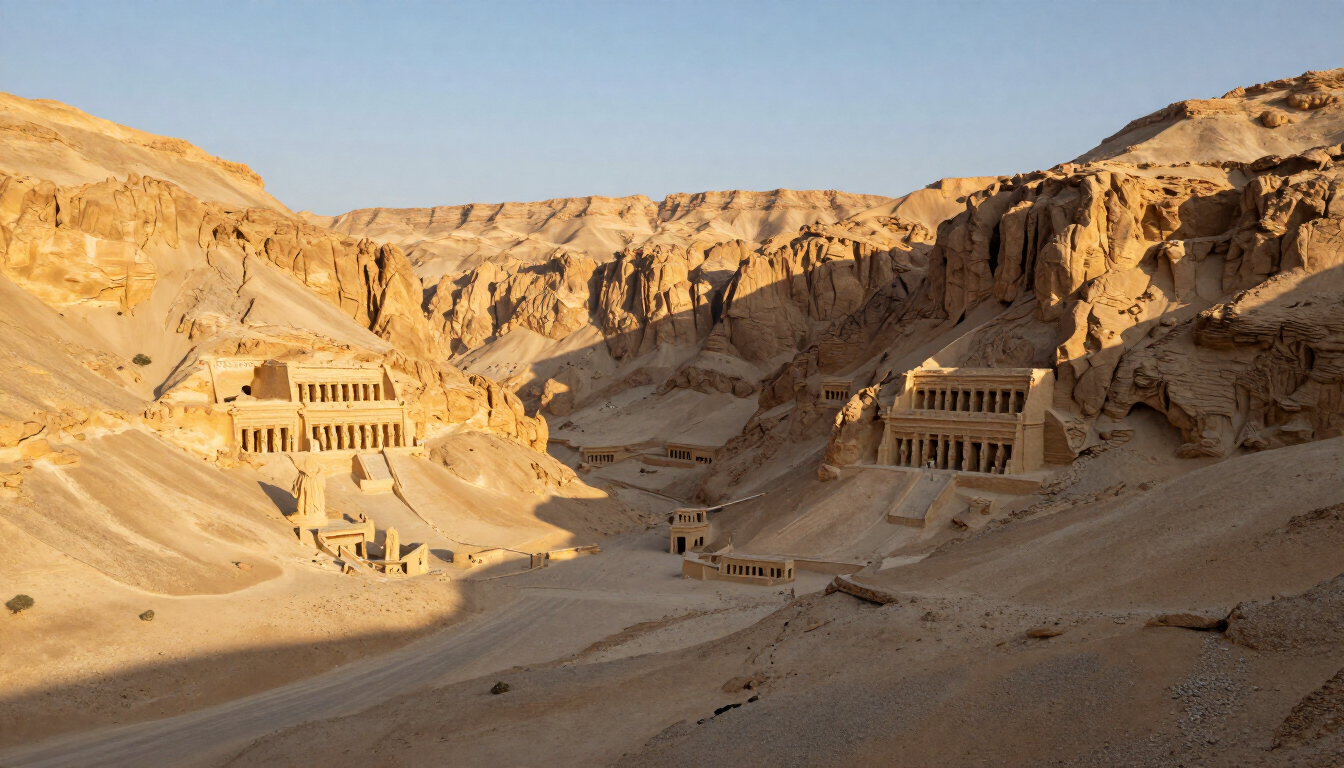
The Valley of the Queens in Luxor is an ancient cemetery where New Kingdom queens, princes, and royal family members were buried. Known in ancient times as the “Place of Beauty,” it is especially famous for the richly decorated tomb of Queen Nefertari, one of Egypt’s finest royal burial sites.
What Was the Valley of the Queens Used For?
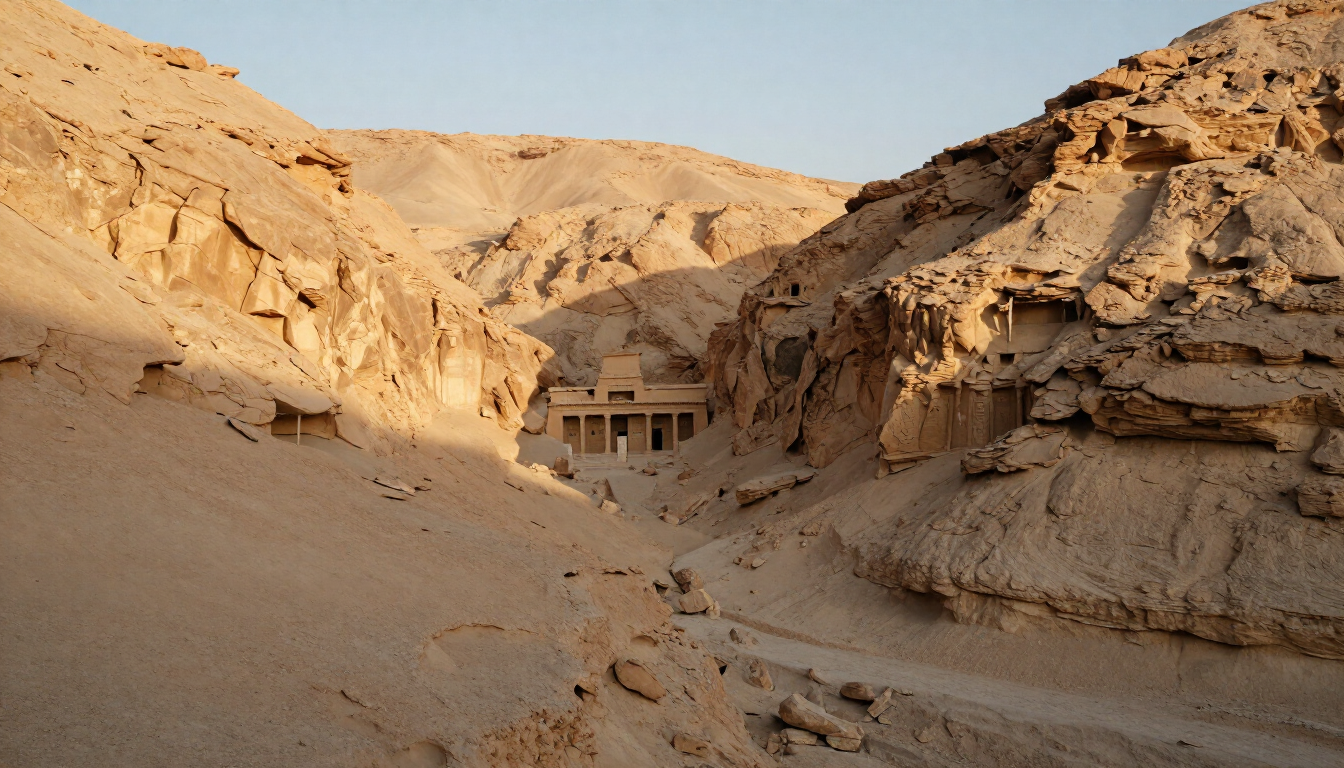
The Valley of the Queens served as a royal burial ground during Egypt’s New Kingdom, roughly from the 16th to the 11th century BCE. It lies on Luxor’s west bank, near the Valley of the Kings, but it had a different purpose.
The Valley of the Kings mainly held pharaohs, while the Valley of the Queens was used for:
- Queens and royal wives
- Princes and princesses
- Children of kings
- Other important members of the royal family
The site contains more than 100 known tombs, although many are small, unfinished, or damaged. Their designs and decorations provide valuable evidence about royal family life, religious beliefs, and ideas about the afterlife.
Why Was It Called the “Place of Beauty”?
The ancient Egyptian name for the Valley of the Queens was Ta-Set-Neferu , often translated as “Place of Beauty” or “Seat of Beauty.” The name may have referred to the royal women buried there, the sacred landscape, or the valley’s connection with rebirth and the afterlife.
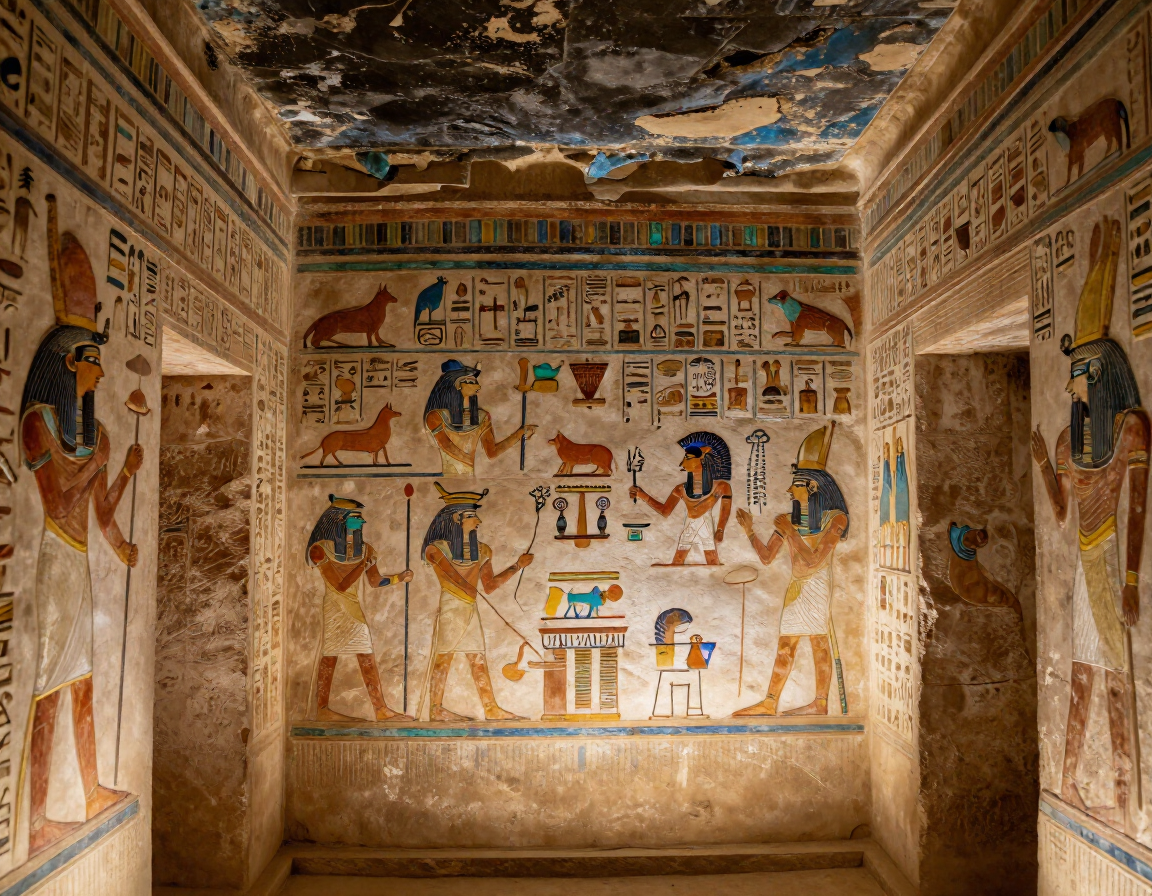
Tomb paintings often show beautiful gardens, protective gods, sacred rituals, and scenes from the journey to the next world. These images were not simply decoration. Egyptians believed that words, symbols, and pictures could help the deceased live safely forever.
A Royal Cemetery Beyond the Pharaohs
The valley shows that royal power in ancient Egypt extended beyond the king. Queens and children could receive carefully planned tombs, religious texts, and colorful scenes designed to support their passage into the afterlife.
Some burials belonged to people who were not queens by title but were still closely connected to the royal household. This makes the site important for understanding family relationships and social roles during the New Kingdom.
Who Was Queen Nefertari?
Queen Nefertari was the principal wife of Pharaoh Ramesses II, one of Egypt’s most powerful rulers. Her tomb, known as QV66, is the most famous burial in the Valley of the Queens.
The tomb is celebrated for its elegant paintings and vivid colors. Nefertari appears before major Egyptian gods, including Osiris, Isis, Hathor, and Anubis. The scenes present her as a respected royal woman preparing for eternal life.
The quality of the artwork is exceptional. Artists used balanced compositions, fine details, and bright colors to create a sense of movement and ceremony. Because of its importance and fragility, access to the tomb may be limited or subject to preservation rules.
What Other Famous Burials Are There?
Although Nefertari’s tomb receives the most attention, other burials help tell the story of Egypt’s royal family. Important examples include tombs connected with princes and princesses of the Ramesside period.
The tomb of Prince Amunherkhepshef is particularly notable. Its scenes and inscriptions reflect the early death of a royal child and the beliefs surrounding his protection in the afterlife. Several other tombs were prepared for sons and daughters of Ramesses III and later rulers.
Key Takeaways
- The Valley of the Queens was a New Kingdom cemetery for queens, princes, and royal relatives.
- Its ancient name, Ta-Set-Neferu , means “Place of Beauty.”
- Queen Nefertari’s tomb is the site’s best-known burial.
- The tombs reveal Egyptian beliefs about death, protection, and rebirth.
- The valley adds an important family-centered perspective to Luxor’s ancient history.
The Valley of the Queens is worth understanding because it broadens the story of ancient Egypt beyond its pharaohs. Its tombs show how queens, children, and other royal family members were prepared for the afterlife through art and ritual. If you are planning a visit to Luxor, consider including this cemetery alongside the west bank’s other historical sites. Check current access information before traveling, especially for individual tombs, and take time to appreciate the symbolism and craftsmanship preserved inside this remarkable “Place of Beauty.”