

Citadel of Qaitbay: A Quick Guide to Alexandria’s Historic Sea Fortress

Red Rose Tours • November 22, 2026

Share this article

The Citadel of Qaitbay is a 15th-century Mamluk fortress on Alexandria’s Mediterranean shore. Built for coastal defense, it stands on the exact site of the ancient Lighthouse of Alexandria. Builders reused some stones from the fallen lighthouse, connecting one of Egypt’s greatest surviving monuments with one of the ancient world’s lost wonders.

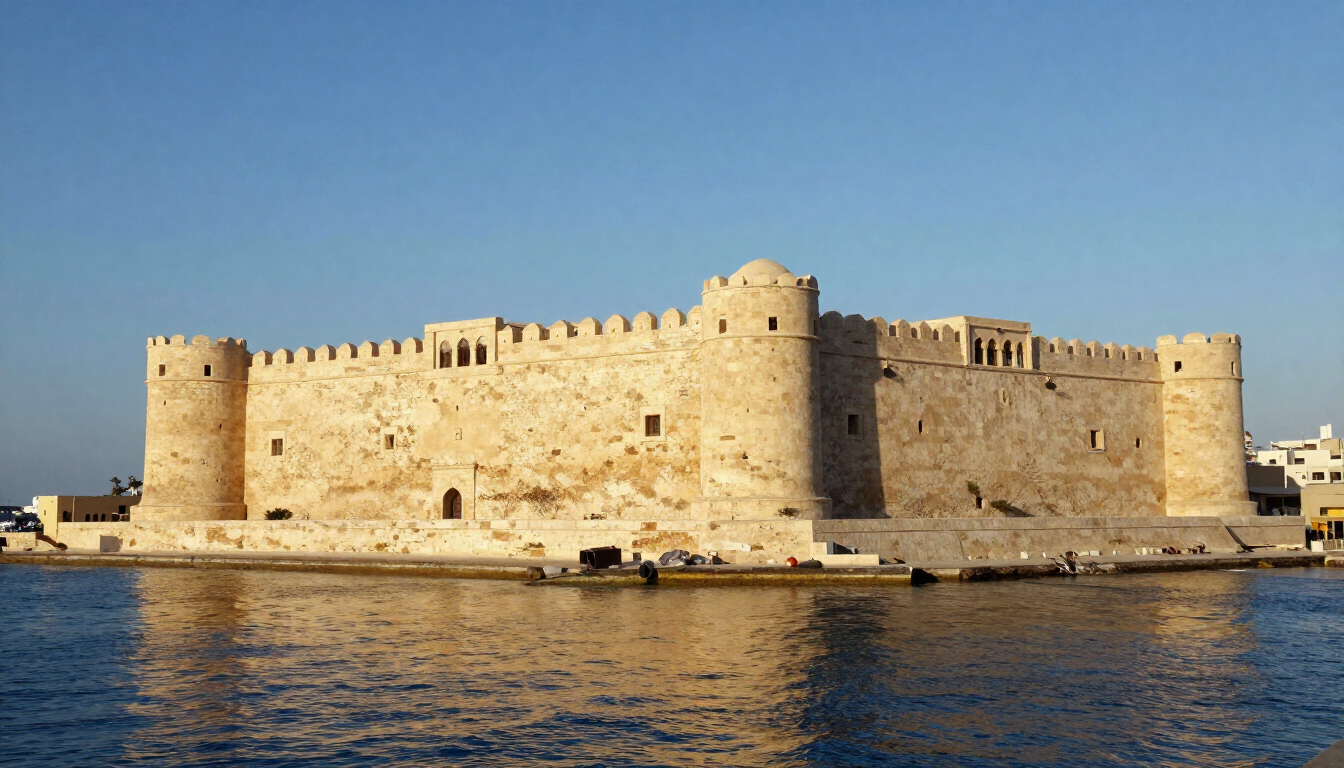
Citadel of Qaitbay in Alexandria, Egypt

What is the Citadel of Qaitbay?

The Citadel of Qaitbay, also called Qaitbay Castle, is a historic defensive fortress in Alexandria, Egypt. It was constructed during the Mamluk period in the 15th century under Sultan Al-Ashraf Sayf al-Din Qaitbay.

The fortress occupies the eastern side of Alexandria’s harbor. Its position allowed defenders to watch ships approaching the city and protect an important Mediterranean port. Today, it is one of Alexandria’s best-known landmarks and an important example of Mamluk military architecture.

When was the Citadel of Qaitbay built?

Construction began around 1477 CE and took place during the reign of Sultan Qaitbay. The sultan was known for strengthening Egypt’s defenses and developing important buildings throughout his kingdom.

Alexandria had suffered from earthquakes and changing political conditions, so a powerful fortress was especially important. The new citadel helped protect the harbor from naval attacks and reflected the military planning of the late Mamluk era.

The building included strong walls, watchtowers, defensive openings, and spaces for soldiers and weapons. Its design combined practical protection with the carefully finished stonework associated with Mamluk architecture.

How is it connected to the Lighthouse of Alexandria?

The Citadel of Qaitbay was built on the site of the ancient Lighthouse of Alexandria, one of the Seven Wonders of the Ancient World. The lighthouse, or Pharos, once guided ships into Alexandria’s harbor from a tall island tower.

Earthquakes gradually damaged the lighthouse, and much of it had collapsed by the 15th century. When the citadel was constructed, builders used some fallen stones from the lighthouse and other remains in the new fortress.

This connection is historically important, although the citadel is not the lighthouse itself. The fortress preserves the location and possibly parts of the material of the ancient structure, giving visitors a tangible link to Alexandria’s Greek and Roman past.

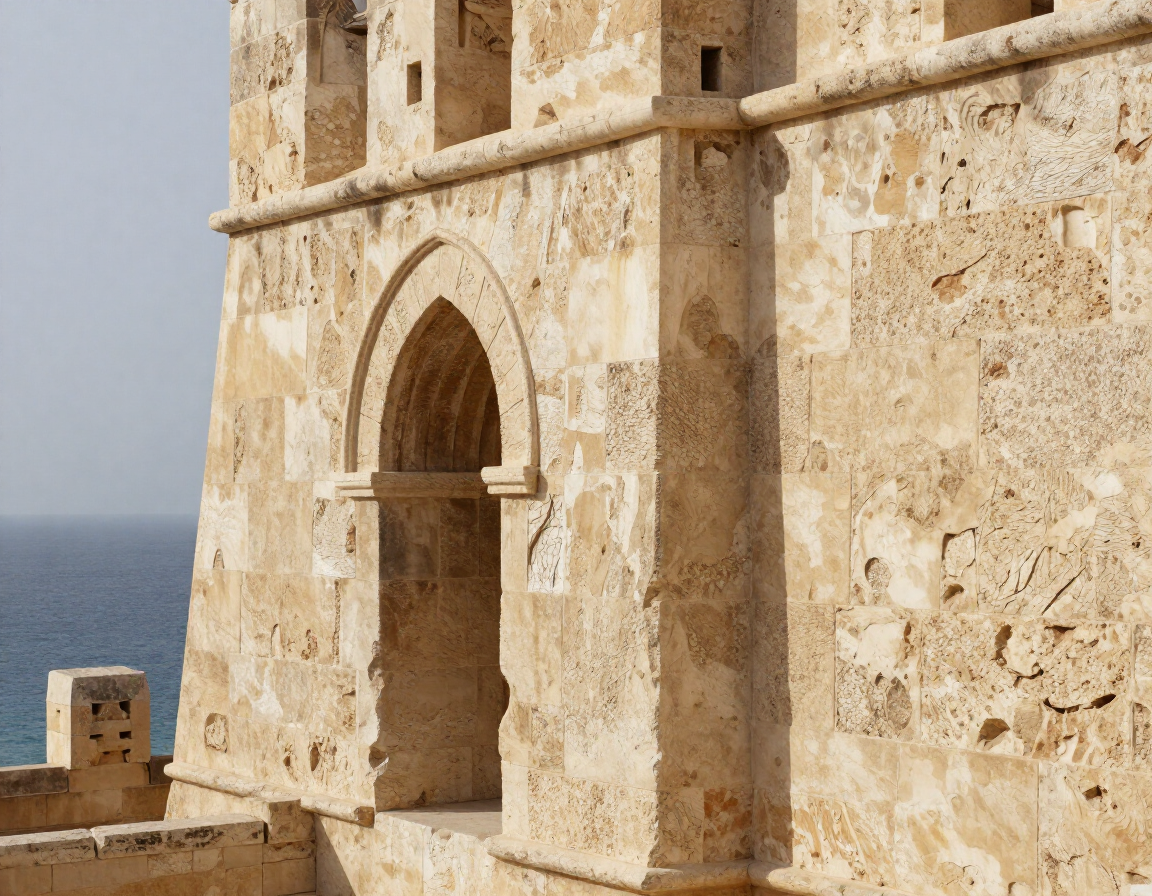
Historic stone walls of Qaitbay Fortress overlooking the Mediterranean

Why was the fortress important for coastal defense?

Alexandria was a major port, trading center, and gateway between Egypt and the wider Mediterranean world. Controlling its harbor was essential for commerce, communication, and national security.

The Citadel of Qaitbay supported defense in several ways:

  • Its waterfront location provided wide views across the sea.
  • Thick walls helped resist attacks and heavy weapons.
  • Towers allowed soldiers to observe ships and communicate warnings.
  • Defensive openings supported archers and other weapons.
  • The enclosed layout protected troops and supplies.

The fortress was part of a wider system of coastal defenses. Its purpose was not only to fight an attack but also to discourage hostile ships from approaching Alexandria.

What makes Qaitbay Castle architecturally special?

The citadel has a compact, fortified design built from local stone. Its square plan, corner towers, battlements, and central keep show how architecture served military needs.

At the heart of the fortress is a large inner structure with rooms and passageways. The design made it possible for defenders to move through the building while remaining protected. Its elevated position above the water also made the fortress visually commanding.

The site is especially meaningful because its architecture represents one historic layer of Alexandria while standing above the remains of an even older landmark.

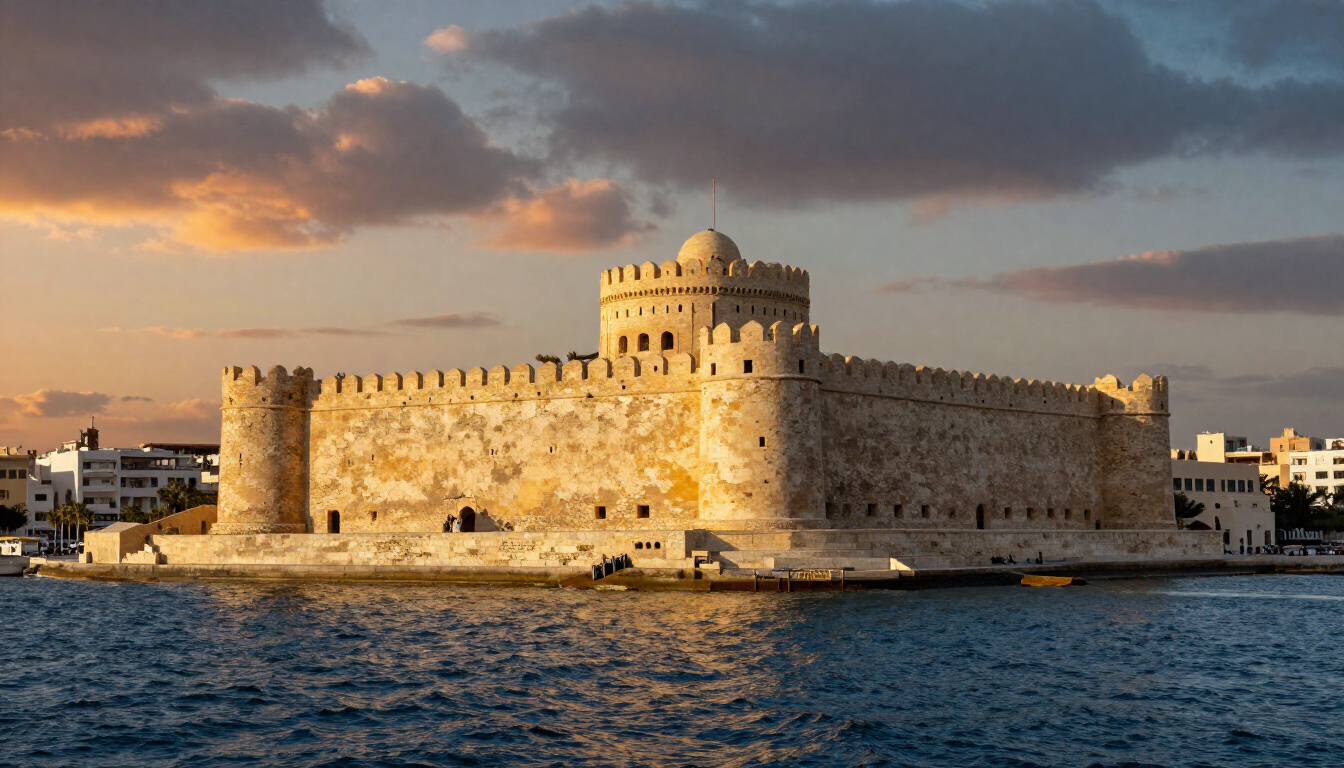
Qaitbay Citadel at sunset on Alexandria’s Mediterranean waterfront

A lasting symbol of Alexandria

The Citadel of Qaitbay brings together military history, coastal geography, and ancient heritage. It was built in the 15th century to defend Alexandria, but its importance extends beyond the Mamluk period because it occupies the site of the Lighthouse of Alexandria.

For travelers interested in Egypt’s history, the fortress offers a clear example of how cities reuse and preserve their past. To explore more historical destinations, browse Egypt Travel Packages , Cairo Day Tours , or the practical advice in Travel Tips .

Recent Posts

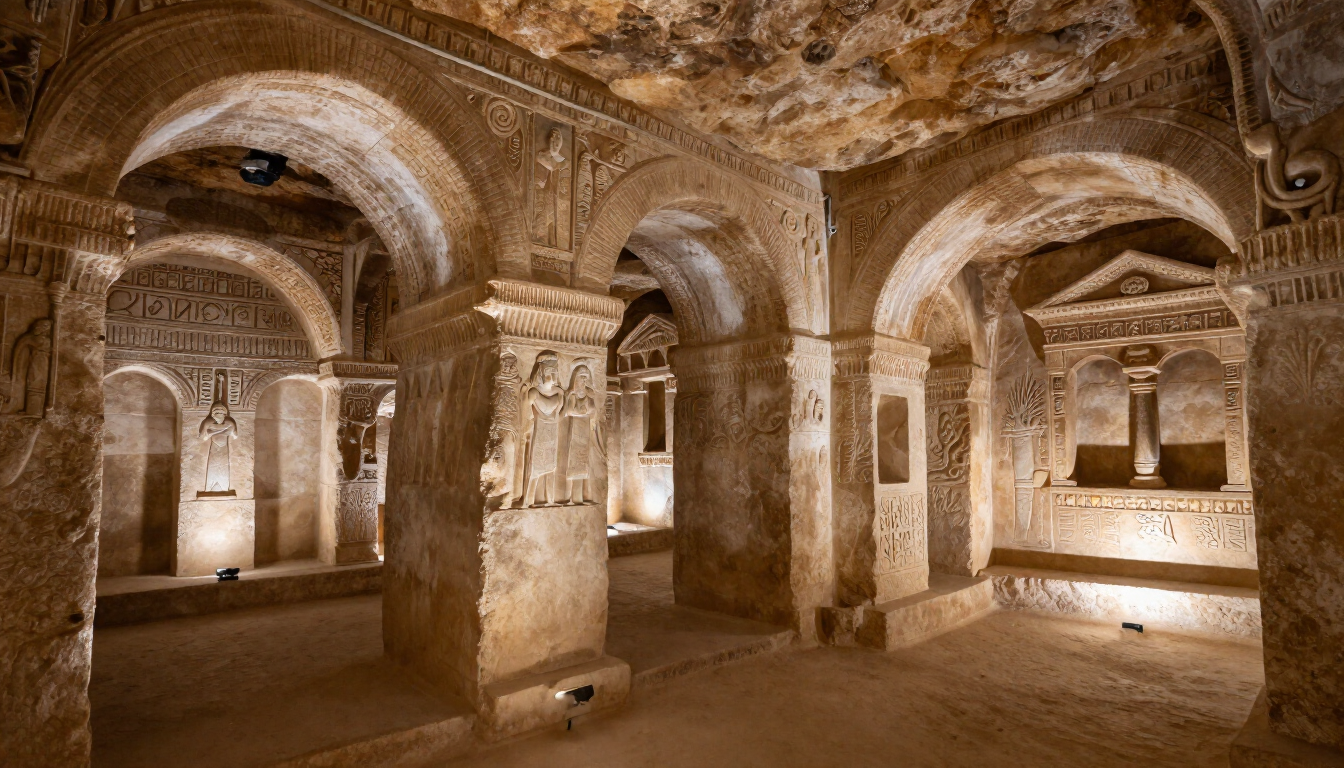
Catacombs of Kom El Shoqafa underground burial chambers in Alexandria, Egypt
By Red Rose Travel • November 22, 2026
Explore the Catacombs of Kom El Shoqafa in Alexandria, Egypt, the country’s largest known Roman burial site and a striking blend of Egyptian, Greek, and Roman art.
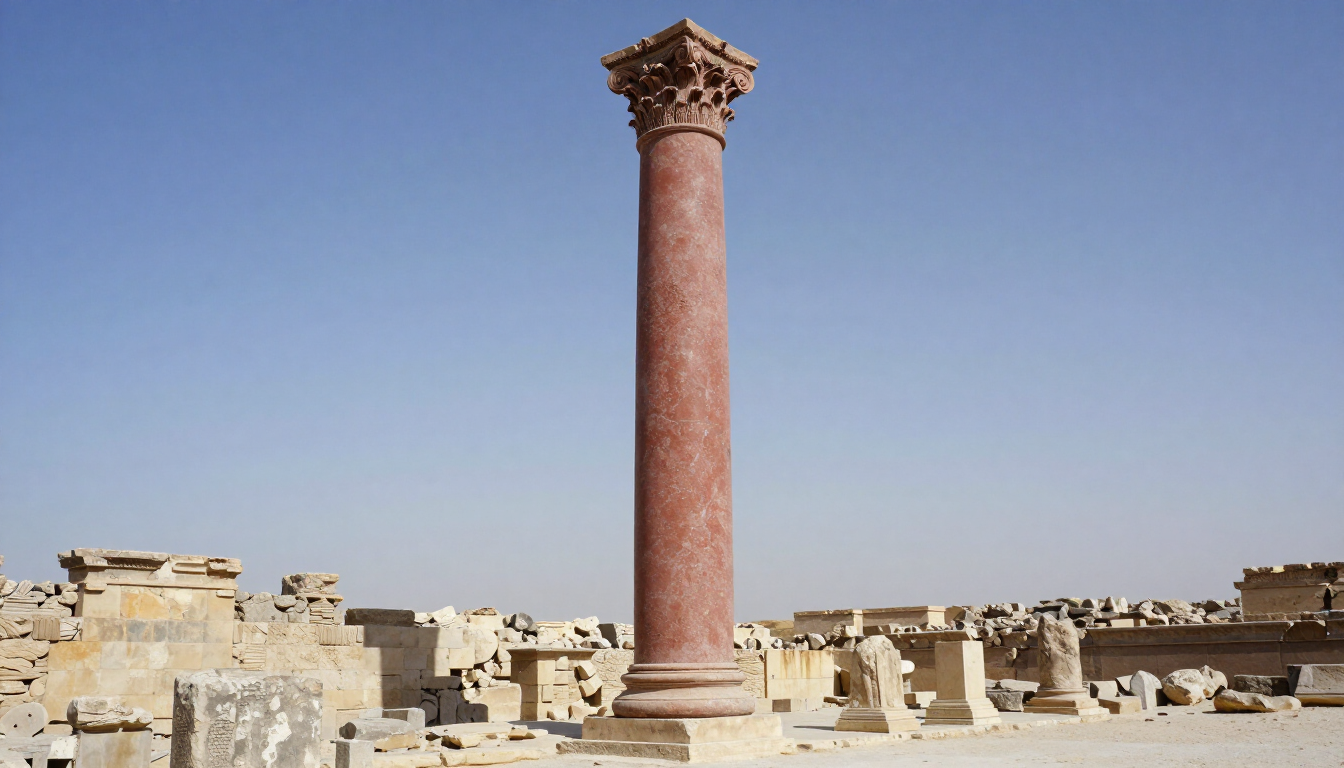
Pompey’s Pillar in Alexandria, Egypt, a red granite Roman column
By Red Rose Travel • November 22, 2026
Learn why Pompey’s Pillar is Egypt’s tallest ancient Roman triumphal column, how it was built from red Aswan granite, and what remains of Alexandria’s Serapeum.
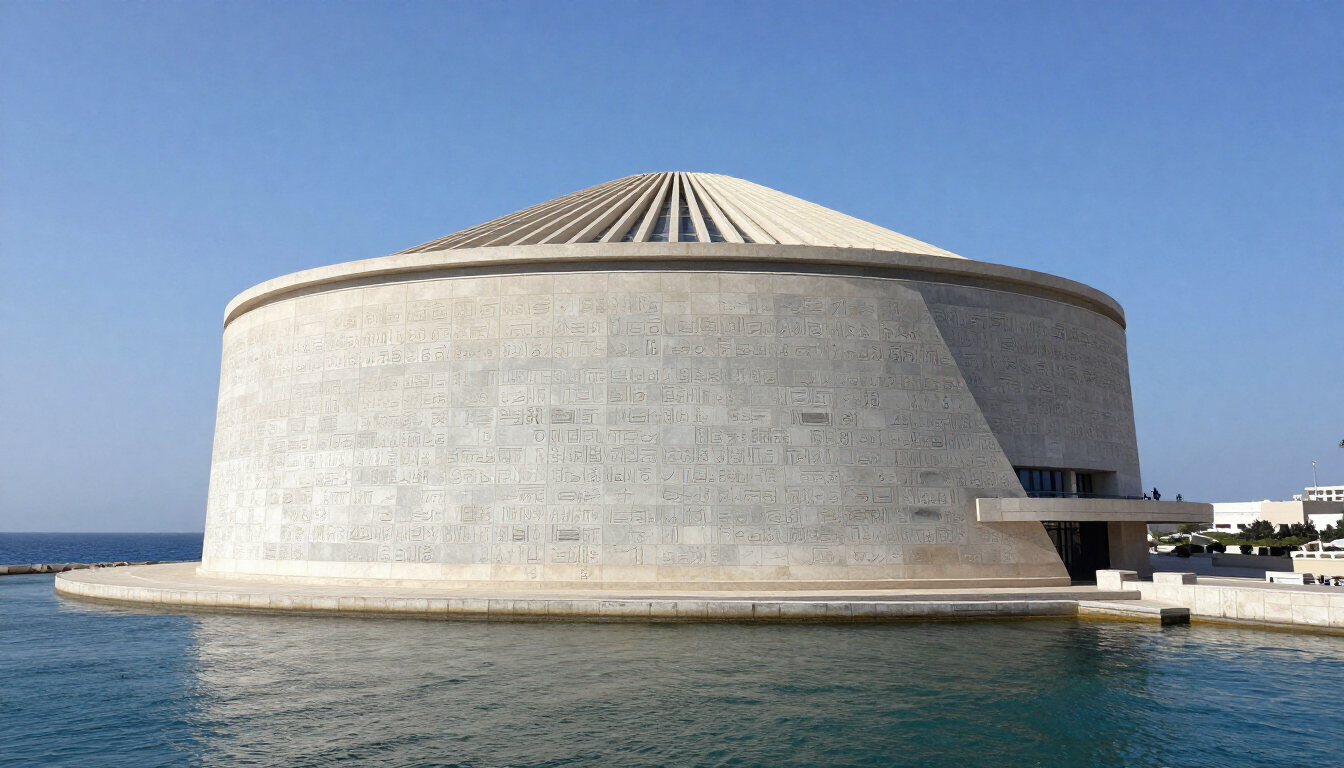
Bibliotheca Alexandrina in Alexandria, Egypt beside the Mediterranean Sea
By Red Rose Travel • November 22, 2026
Discover the Bibliotheca Alexandrina in Alexandria, Egypt—its ancient inspiration, sun-disc design, granite wall, and role as a modern cultural center.
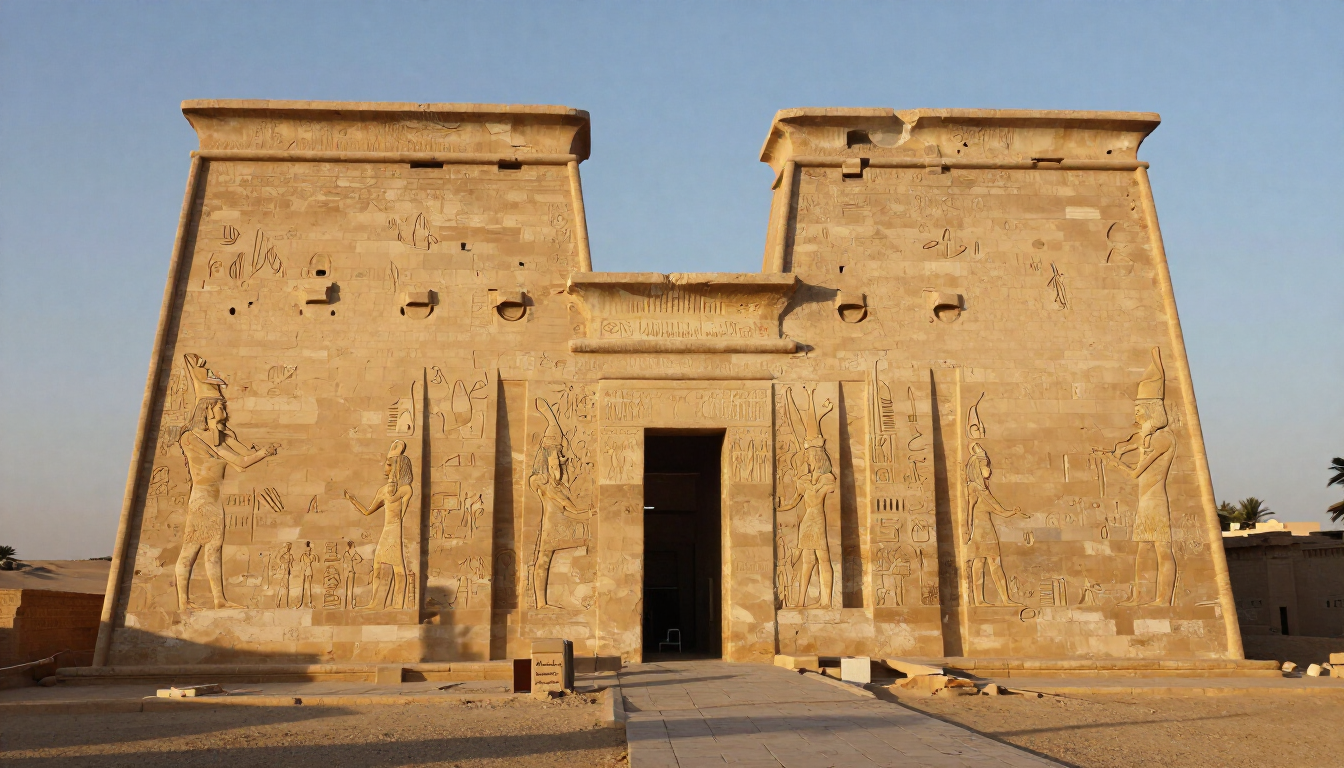
Abydos Temple of Seti I in Sohag, Egypt
By Red Rose Travel • November 22, 2026
Discover Abydos Temple in Sohag, Egypt: its sacred link to Osiris, fine limestone reliefs, the Abydos King List, and the mysterious Osireion.
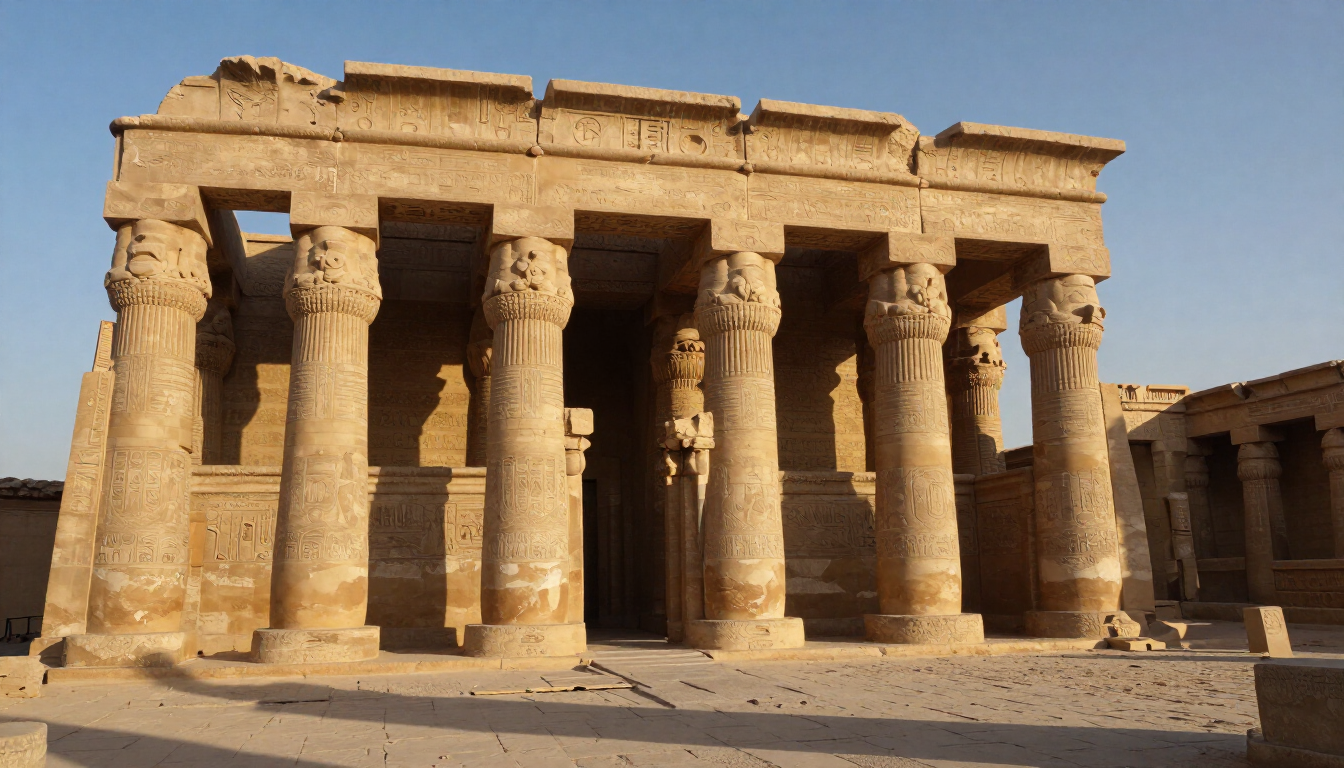
Dendera Temple Complex in Qena, Egypt
By Red Rose Travel • November 22, 2026
Explore the Dendera Temple Complex in Qena, Egypt, including Hathor, colorful ceilings, Greco-Roman architecture, and the famous astronomical zodiac.
Tombs of the Nobles in Luxor
By Red Rose Travel • November 21, 2026
Discover how the Tombs of the Nobles in Luxor preserve the lives, work, beliefs, and daily routines of ancient Egyptian officials, priests, and governors.
Ramesseum in Luxor, Ramses II’s ancient mortuary temple
By Red Rose Travel • November 21, 2026
Discover the Ramesseum in Luxor, Ramses II’s grand mortuary temple, its New Kingdom architecture, fallen colossus, and link to Shelley’s Ozymandias.
Valley of the Queens in Luxor, Egypt
By Red Rose Travel • November 21, 2026
Discover the Valley of the Queens in Luxor, its ancient name Place of Beauty, New Kingdom burials, Queen Nefertari, and why it matters today.
Valley of the Kings in Luxor with desert cliffs and ancient tomb entrances
By Red Rose Tours • November 21, 2026
Discover why the Valley of the Kings became Egypt’s royal burial ground, which famous pharaohs were buried there, and what makes its tombs so important.
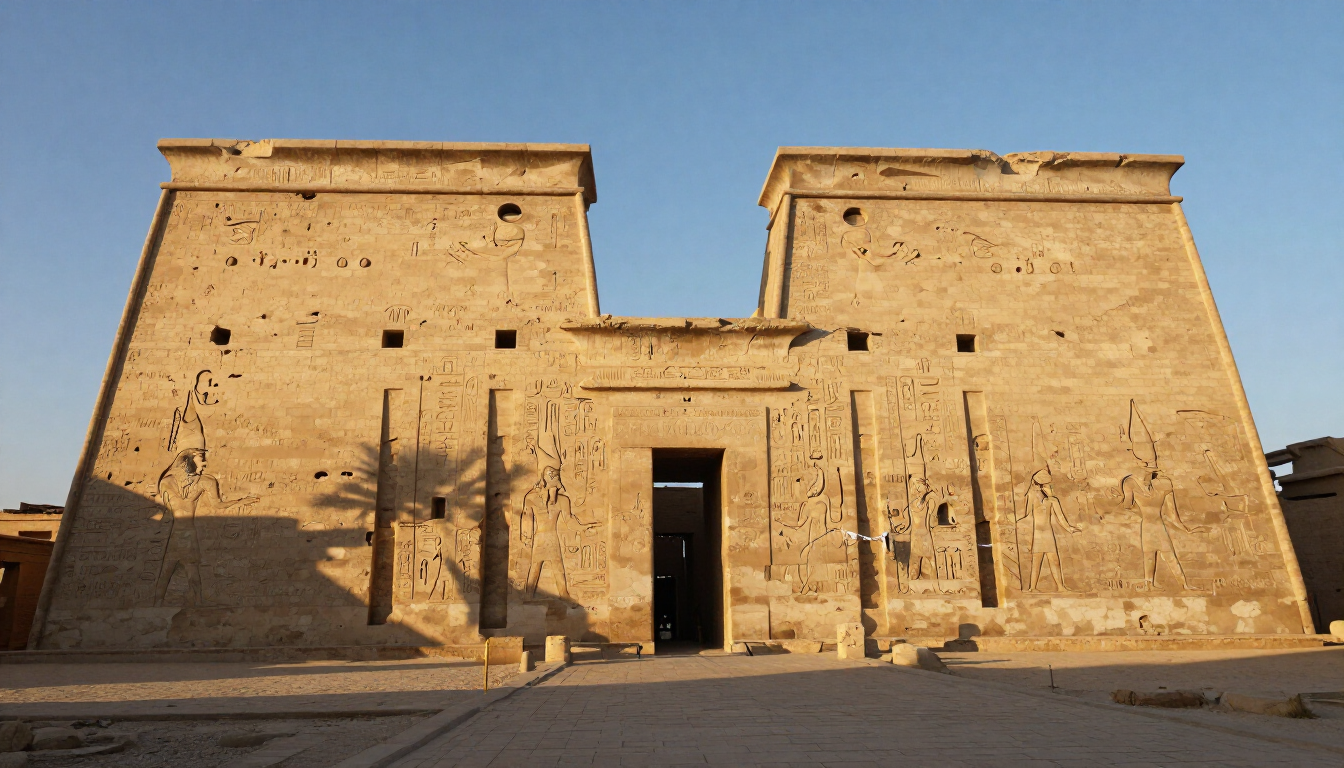
Medinet Habu temple in Luxor, Egypt
By Red Rose Travel • November 21, 2026
Discover Medinet Habu in Luxor, the mortuary temple of Ramses III, including its massive scale, fortified design, history, and remarkably preserved stonework.