

A Simple Guide to the Catacombs of Kom El Shoqafa in Alexandria

Red Rose Travel • November 22, 2026

Share this article

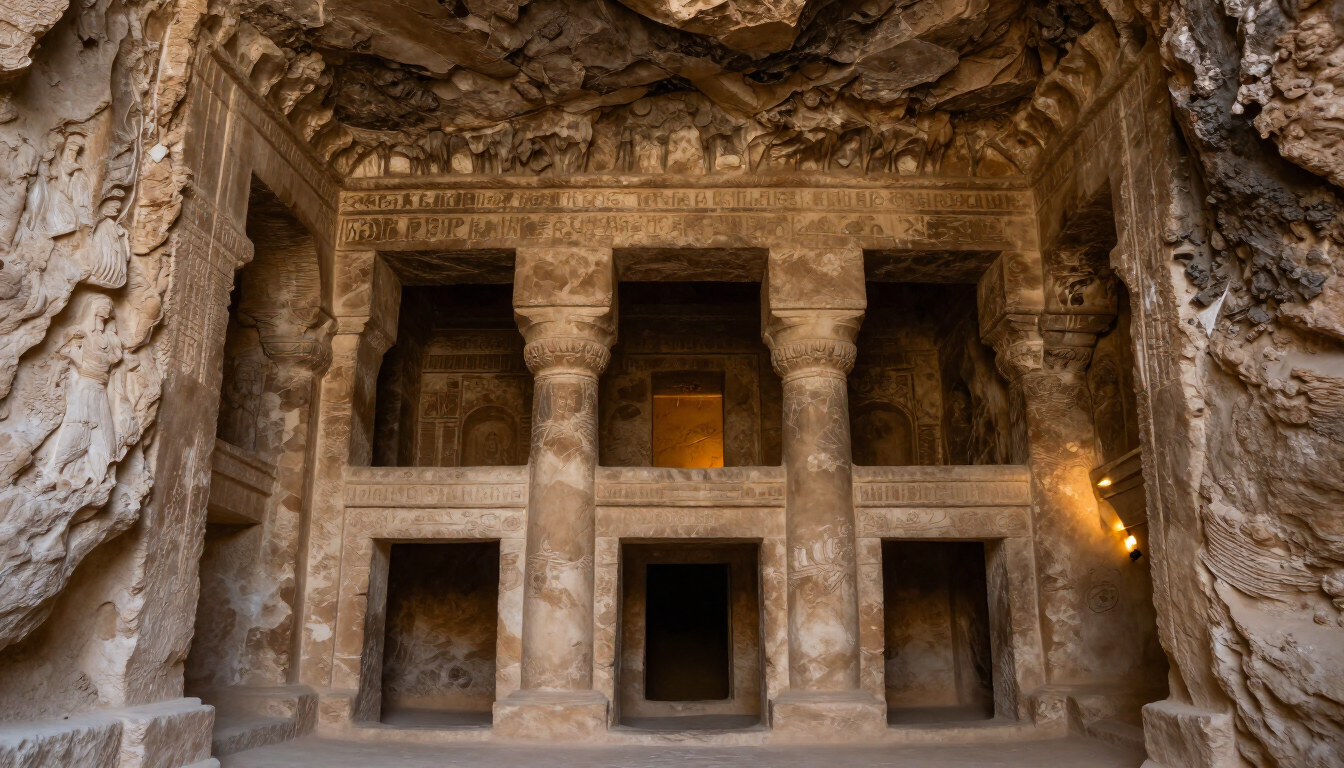
The Catacombs of Kom El Shoqafa are Alexandria’s largest known Roman burial site. Cut into the rock beneath the city, the underground complex combines Egyptian funerary traditions with Greek and Roman decoration. Its galleries, chambers, sculptures, and reliefs reveal how Alexandria’s cultures influenced one another during antiquity.

Underground chambers at the Catacombs of Kom El Shoqafa

Where are the Catacombs of Kom El Shoqafa?

The Catacombs of Kom El Shoqafa are in Alexandria, Egypt, near the historic district of Karmouz. Their name means “Mound of Shards,” probably referring to the broken pottery once found around the site. The name reflects an old practice: visitors may have used pottery vessels during funerary meals and then left the pieces behind.

Alexandria was a major Mediterranean city founded by Alexander the Great in 331 BCE. Over time, Egyptian, Greek, and Roman communities lived together there. The catacombs provide a clear example of this cultural meeting, making them an important stop for travelers interested in Egyptian history and heritage .

What makes this Roman burial site important?

The site is considered Egypt’s largest known Roman burial complex. It was likely developed between the second and fourth centuries CE and served as a multi-level necropolis for wealthy families and their communities.

Its importance comes from several features:

  • It was carved directly into Alexandria’s underlying rock.
  • It contains several underground levels connected by stairways and passages.
  • It includes burial niches, chambers, and a central tomb area.
  • Its decoration blends three major artistic traditions.
  • It shows how local customs changed under Roman influence.

Rather than being a single tomb, the catacombs form a carefully planned underground network. The design reflects both practical burial needs and the social status of the people who commissioned the complex.

Three artistic traditions in one monument

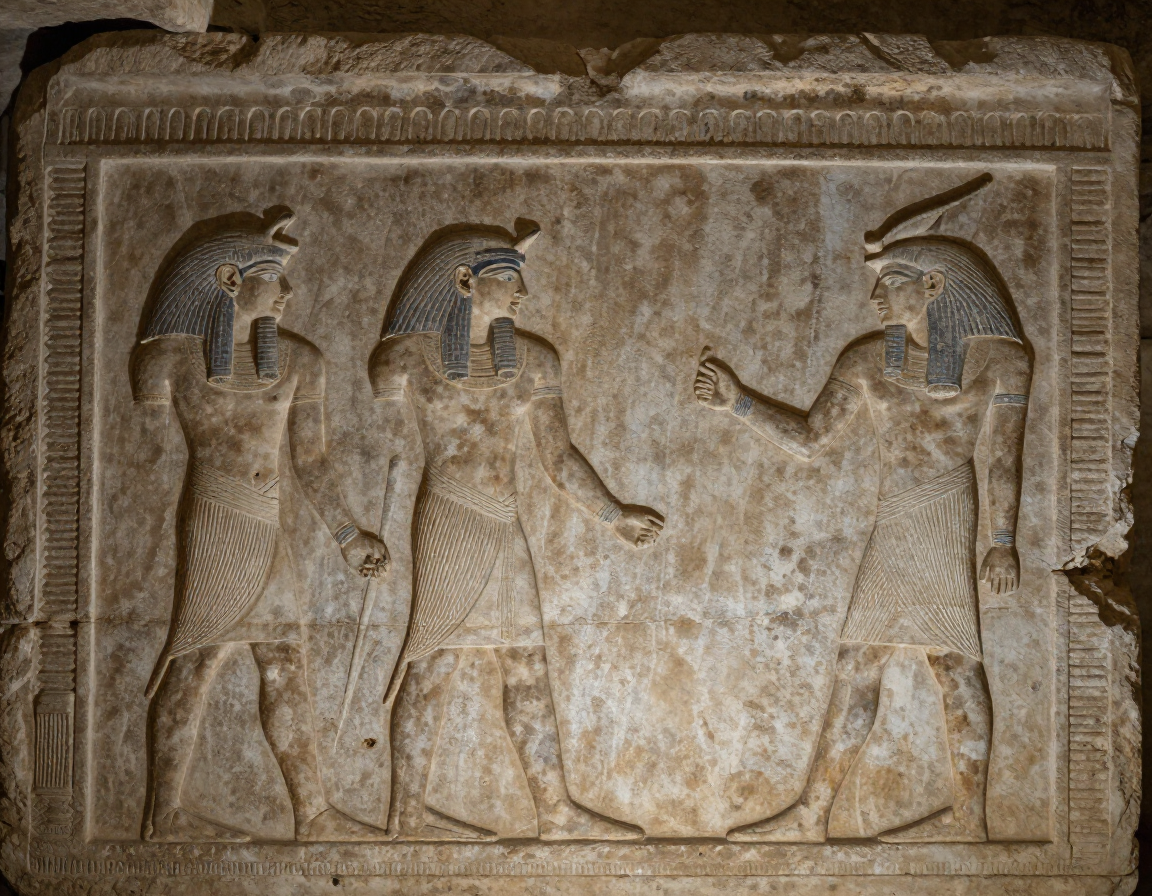
The most remarkable feature of the Catacombs of Kom El Shoqafa is their mixed visual language. Egyptian symbols appear beside Greek architectural forms and Roman details. This combination is sometimes called Greco-Roman Egyptian art.

Egyptian influence can be seen in funerary figures, traditional deities, and symbolic imagery connected with the afterlife. Greek influence appears in the use of columns, classical proportions, and mythological themes. Roman influence is visible in the structure of the complex and elements of its architectural design.

Egyptian, Greek, and Roman details in an ancient catacomb

Why should history enthusiasts visit?

The Catacombs of Kom El Shoqafa offer more than an impressive underground setting. They help visitors understand Alexandria as a multicultural city where religious beliefs, artistic methods, and burial customs developed together.

The site is particularly valuable for understanding:

  • How Roman-era Egyptians preserved older traditions.
  • How Greek and Roman design shaped local monuments.
  • Why burial architecture can reveal social history.
  • How Alexandria connected Egypt with the wider Mediterranean world.

Key takeaway

The Catacombs of Kom El Shoqafa are a unique Roman-era necropolis beneath Alexandria. Their underground, rock-cut levels and richly blended Egyptian, Greek, and Roman styles make them one of Egypt’s most important archaeological sites. Visit them if you want to look beyond famous temples and pyramids and understand Alexandria’s multicultural past. As you plan your wider journey, compare Egypt’s historic destinations through the Egypt Travel Packages page and choose an itinerary that matches your interests.

Recent Posts

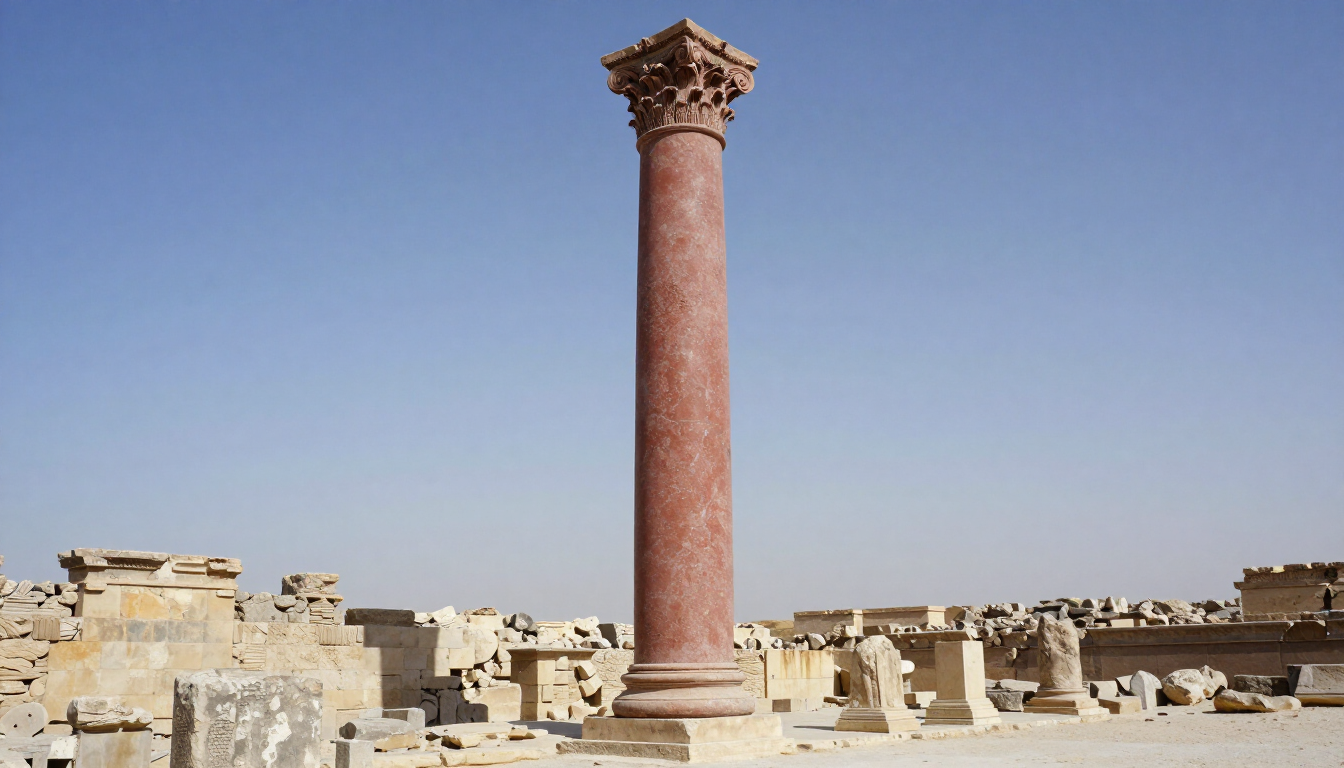
Pompey’s Pillar in Alexandria, Egypt, a red granite Roman column
By Red Rose Travel • November 22, 2026
Learn why Pompey’s Pillar is Egypt’s tallest ancient Roman triumphal column, how it was built from red Aswan granite, and what remains of Alexandria’s Serapeum.
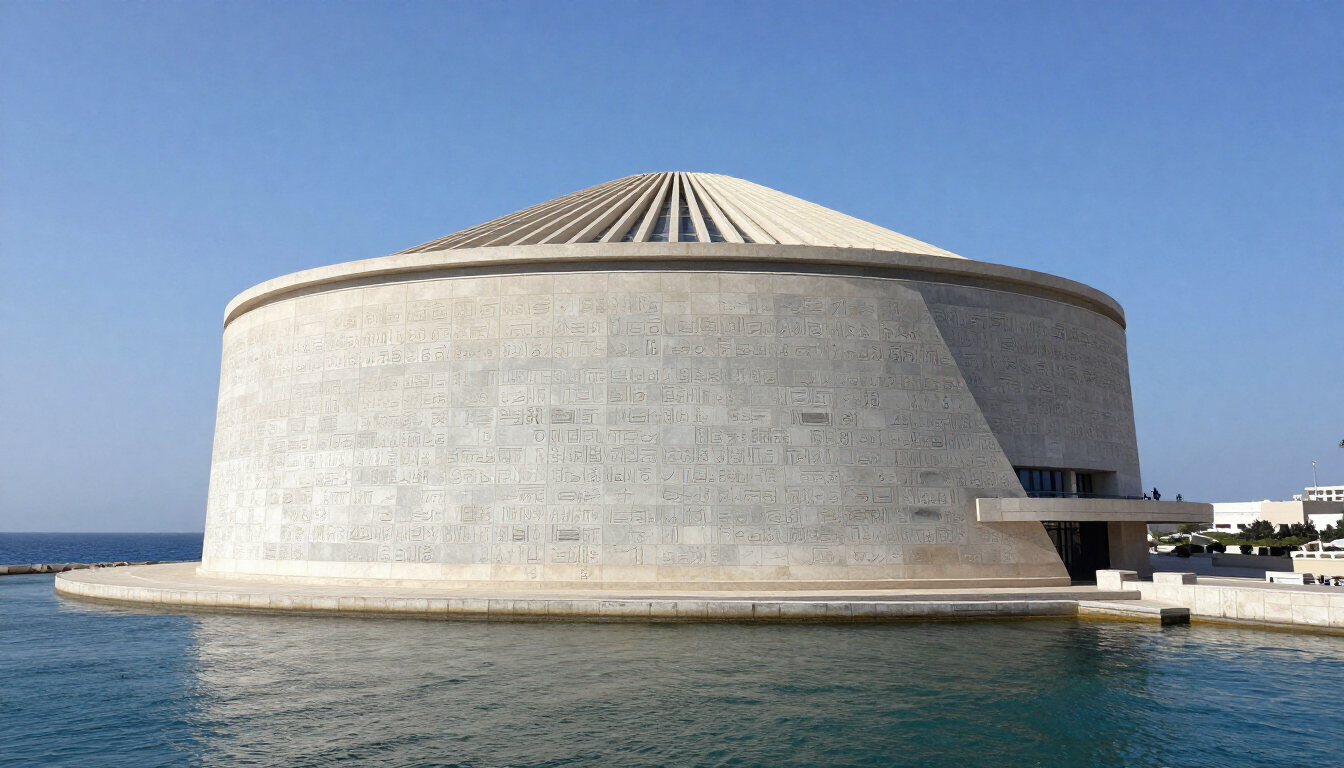
Bibliotheca Alexandrina in Alexandria, Egypt beside the Mediterranean Sea
By Red Rose Travel • November 22, 2026
Discover the Bibliotheca Alexandrina in Alexandria, Egypt—its ancient inspiration, sun-disc design, granite wall, and role as a modern cultural center.
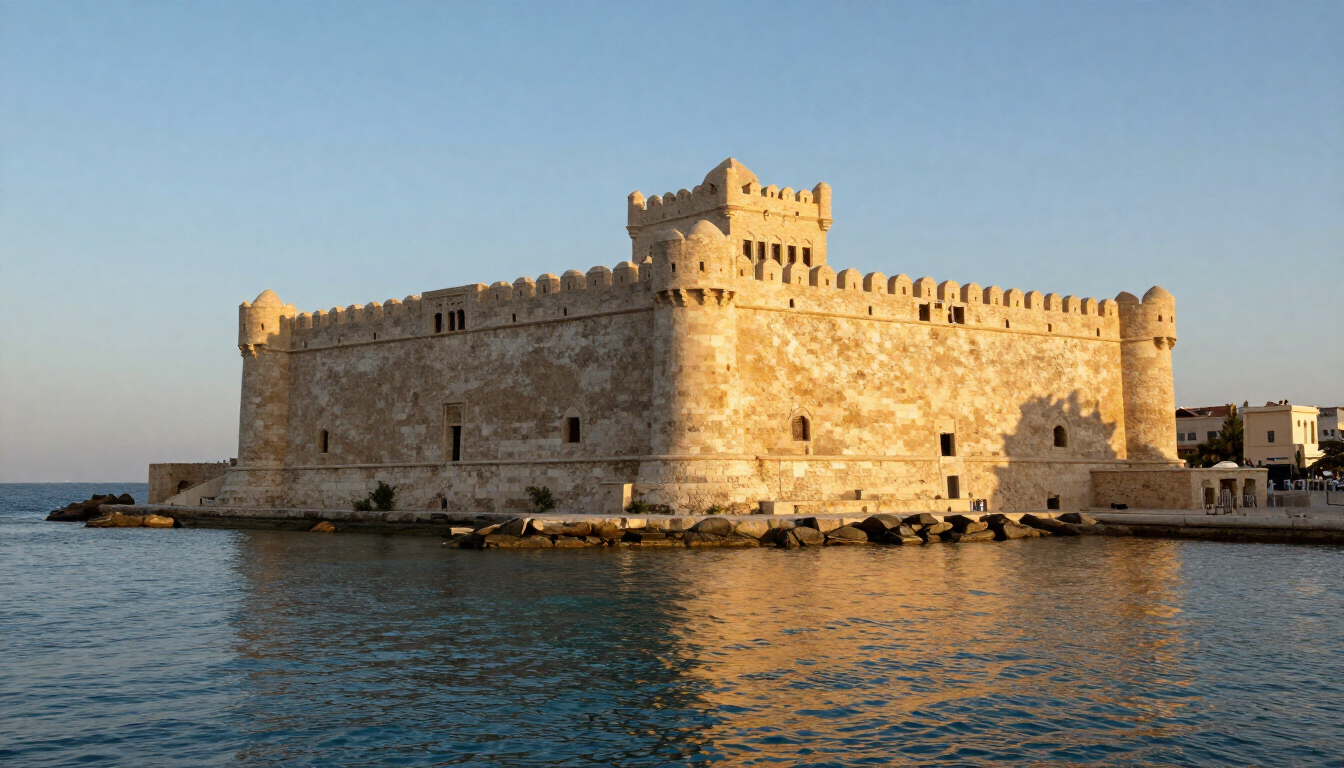
Citadel of Qaitbay in Alexandria, Egypt
By Red Rose Tours • November 22, 2026
Discover the Citadel of Qaitbay in Alexandria, including its 15th-century Mamluk history, coastal defense role, and connection to the ancient Lighthouse of Alexandria.
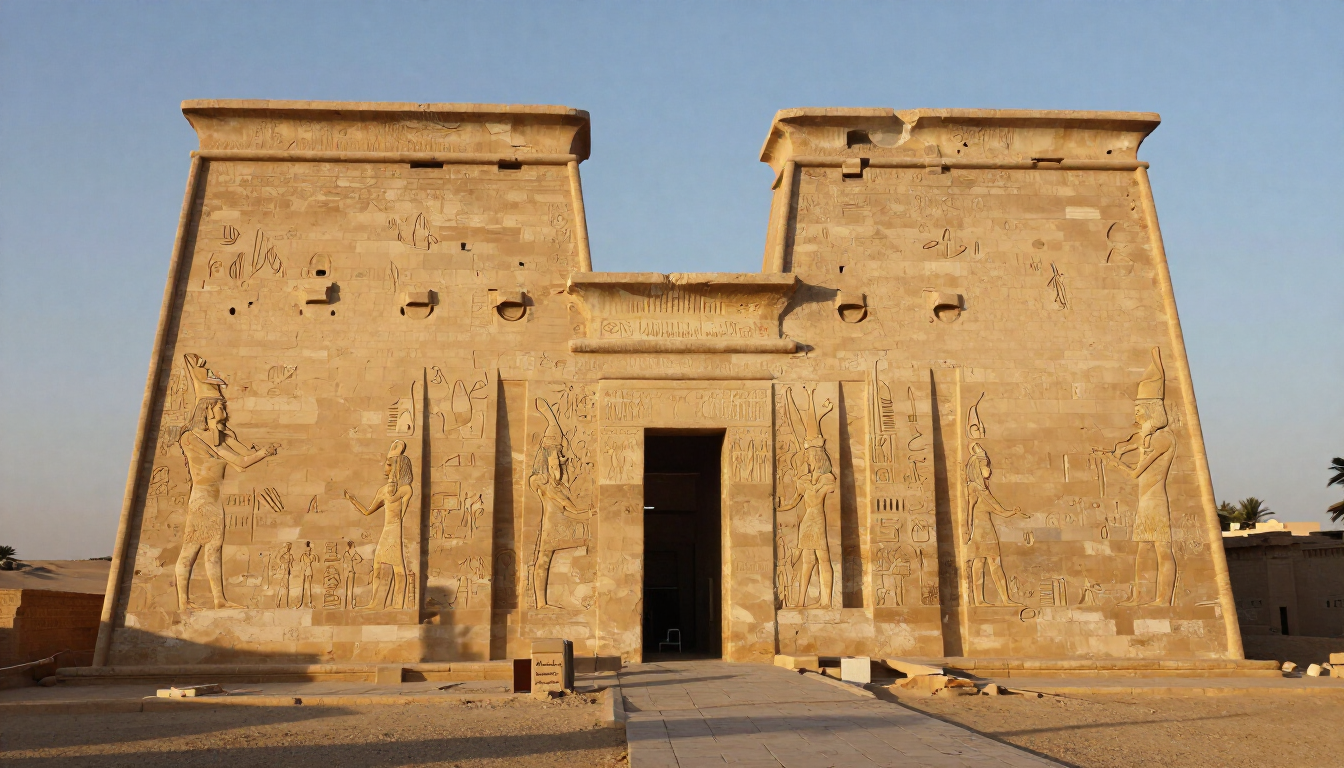
Abydos Temple of Seti I in Sohag, Egypt
By Red Rose Travel • November 22, 2026
Discover Abydos Temple in Sohag, Egypt: its sacred link to Osiris, fine limestone reliefs, the Abydos King List, and the mysterious Osireion.
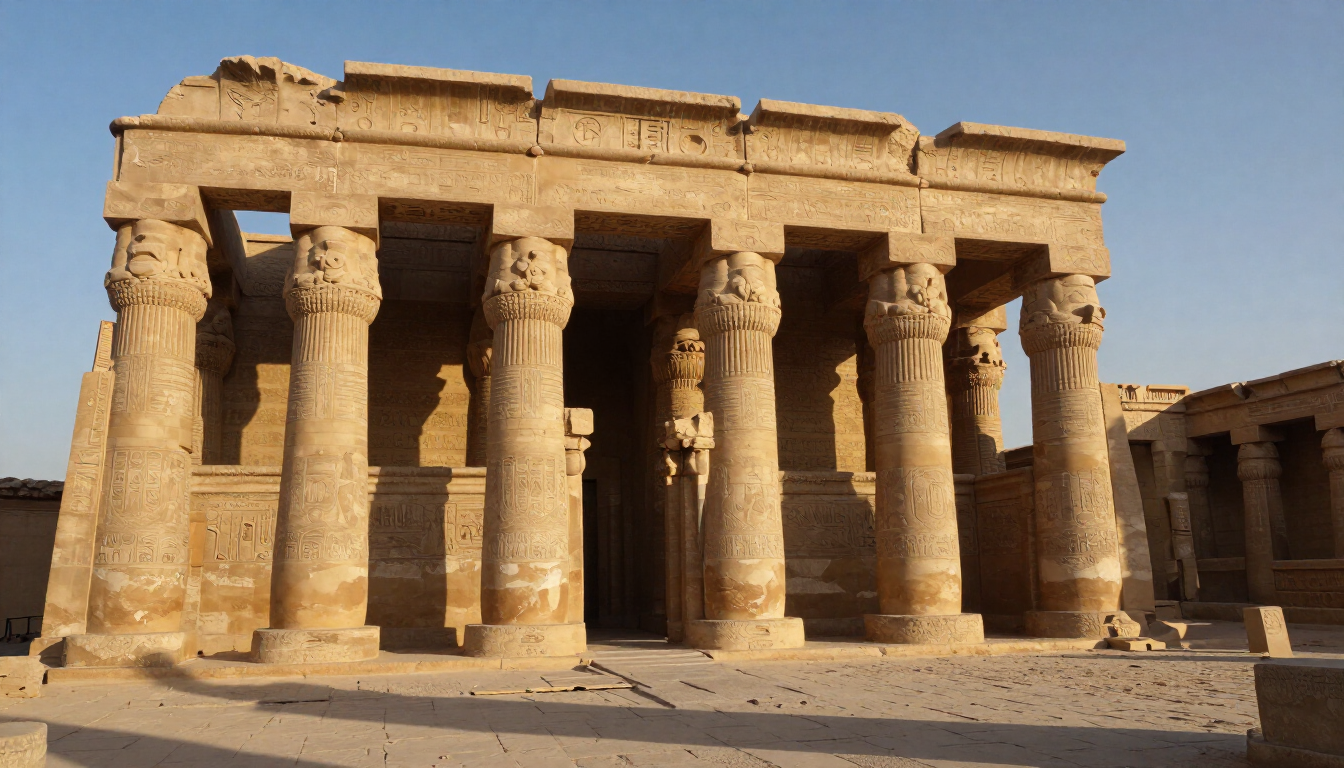
Dendera Temple Complex in Qena, Egypt
By Red Rose Travel • November 22, 2026
Explore the Dendera Temple Complex in Qena, Egypt, including Hathor, colorful ceilings, Greco-Roman architecture, and the famous astronomical zodiac.
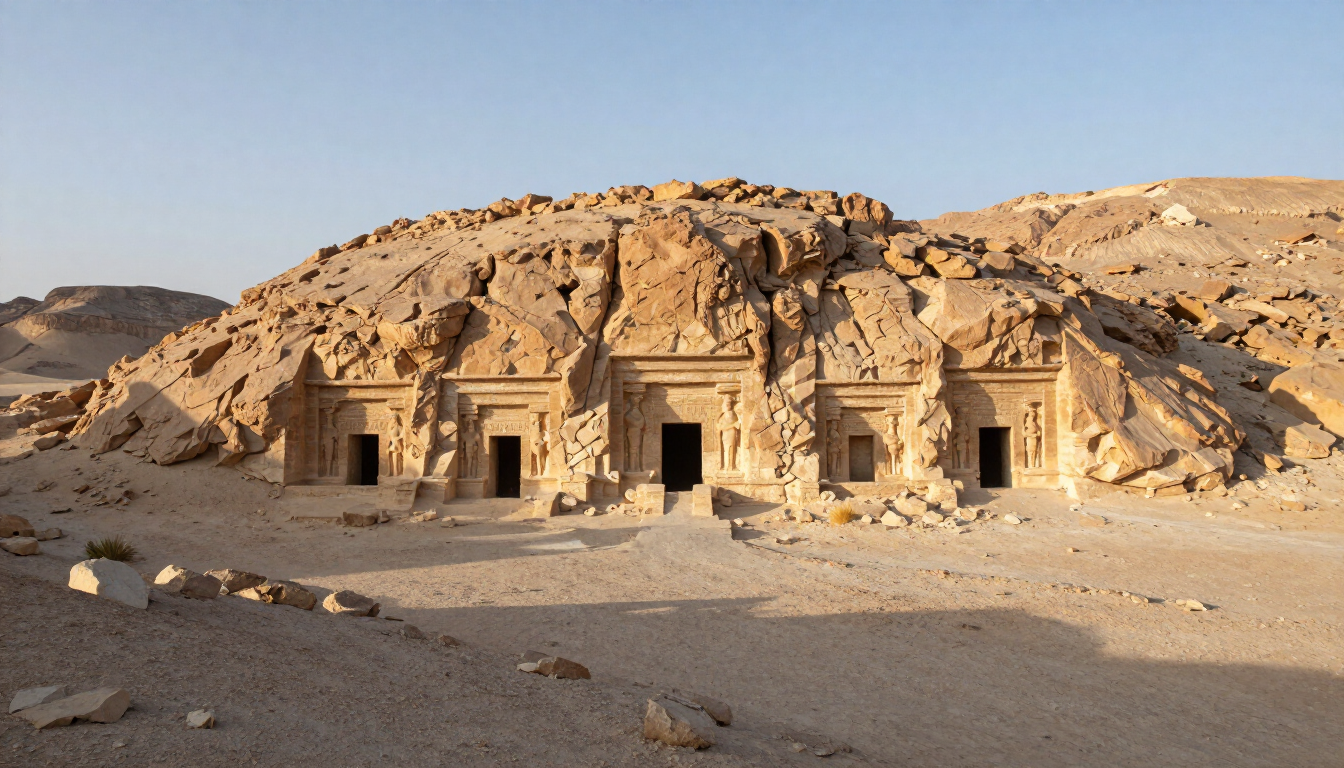
Tombs of the Nobles in Luxor
By Red Rose Travel • November 21, 2026
Discover how the Tombs of the Nobles in Luxor preserve the lives, work, beliefs, and daily routines of ancient Egyptian officials, priests, and governors.
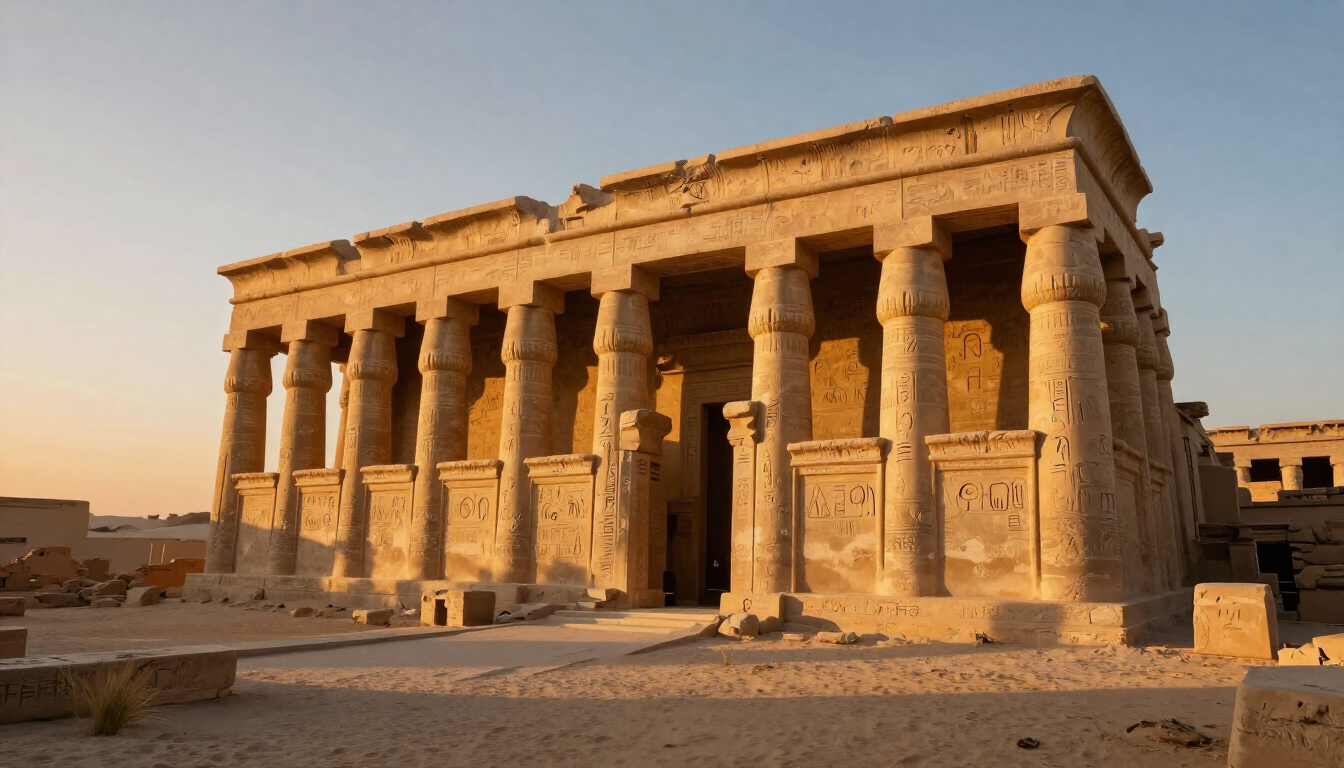
Ramesseum in Luxor, Ramses II’s ancient mortuary temple
By Red Rose Travel • November 21, 2026
Discover the Ramesseum in Luxor, Ramses II’s grand mortuary temple, its New Kingdom architecture, fallen colossus, and link to Shelley’s Ozymandias.
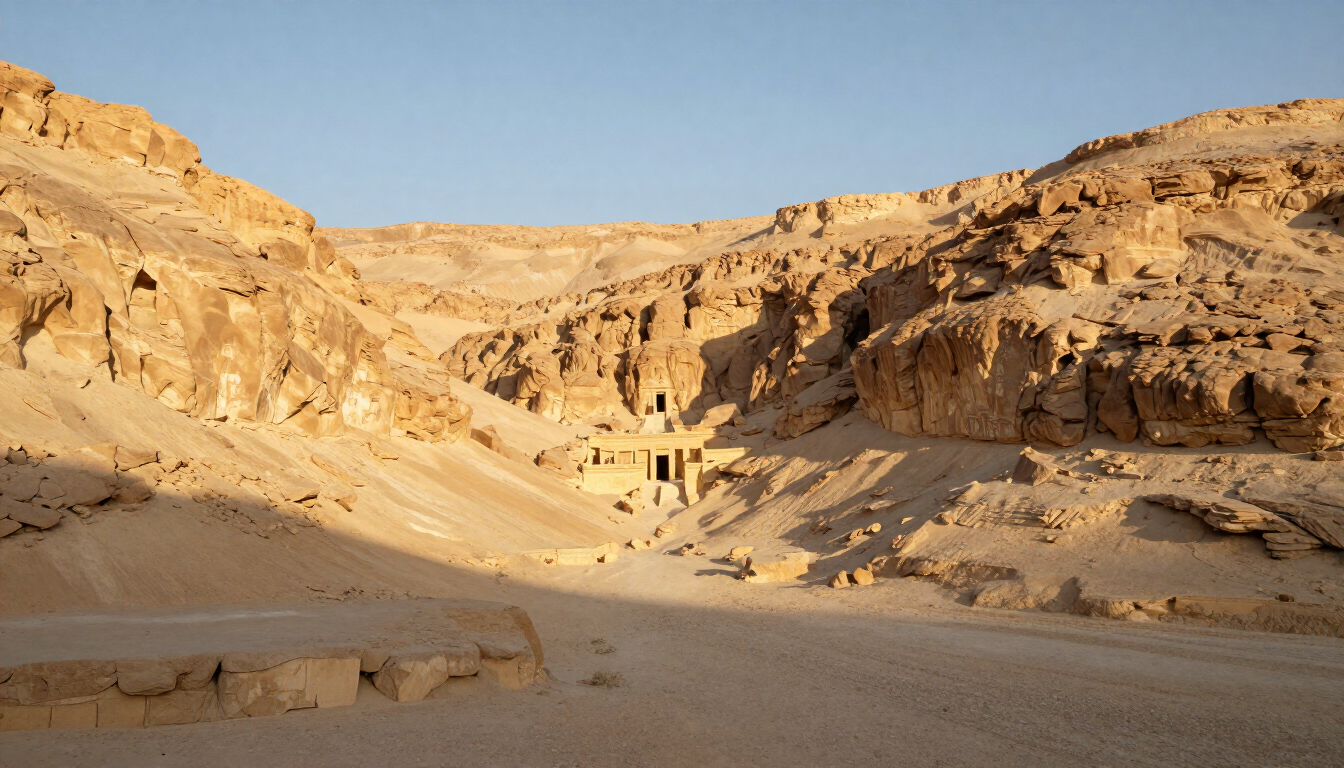
Valley of the Queens in Luxor, Egypt
By Red Rose Travel • November 21, 2026
Discover the Valley of the Queens in Luxor, its ancient name Place of Beauty, New Kingdom burials, Queen Nefertari, and why it matters today.
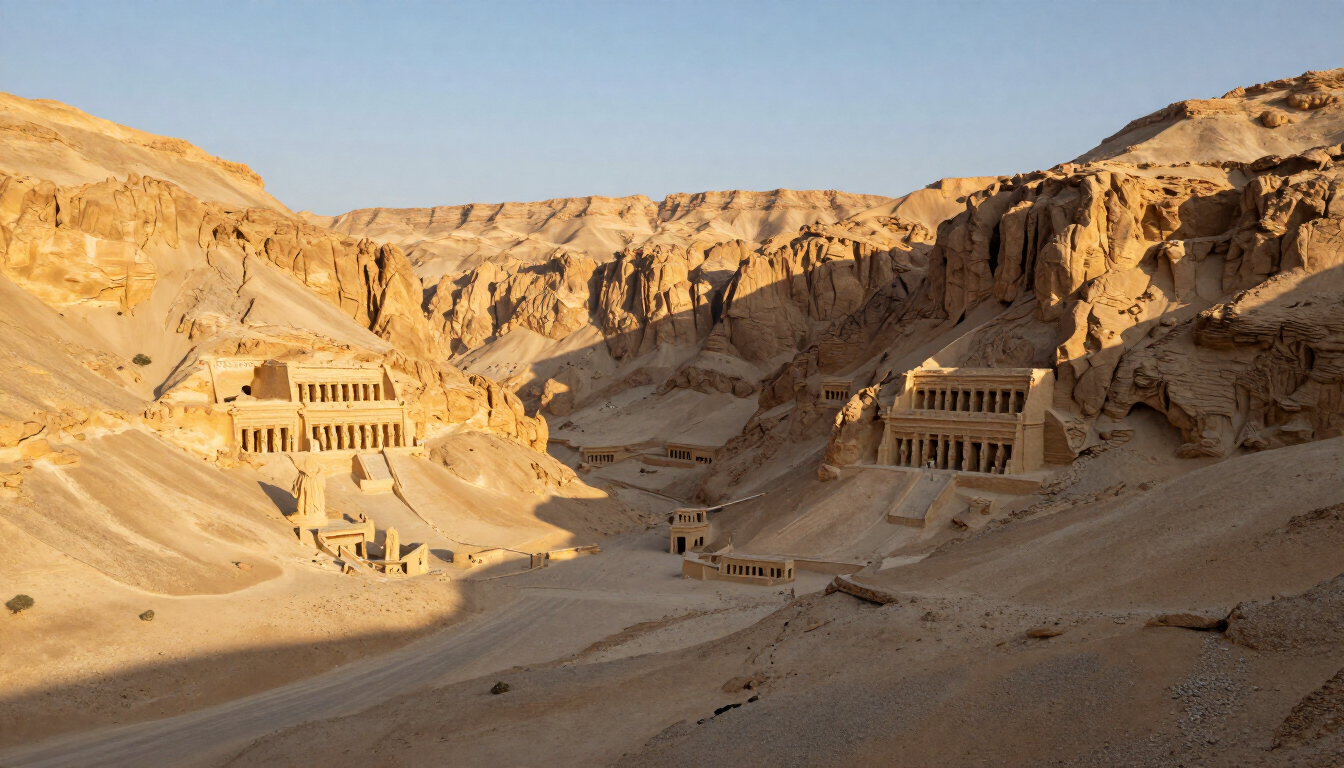
Valley of the Kings in Luxor with desert cliffs and ancient tomb entrances
By Red Rose Tours • November 21, 2026
Discover why the Valley of the Kings became Egypt’s royal burial ground, which famous pharaohs were buried there, and what makes its tombs so important.
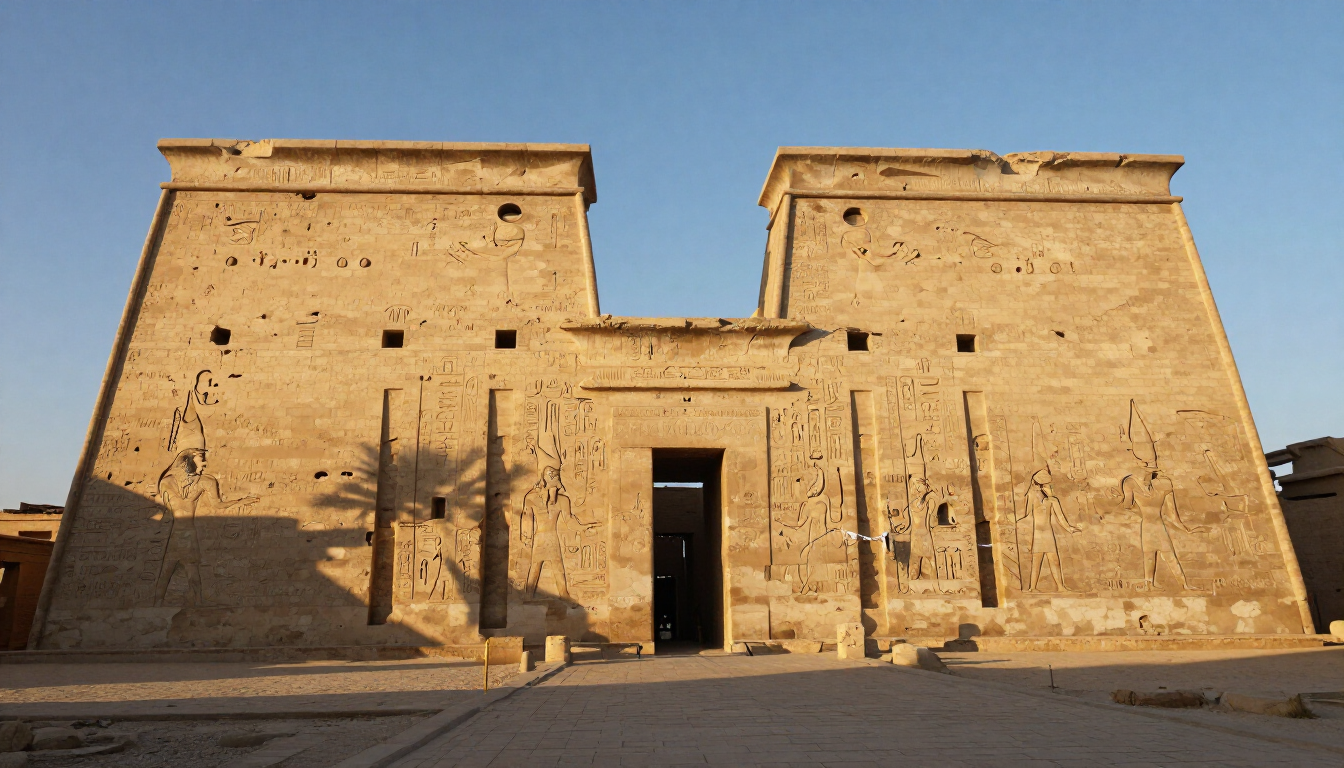
Medinet Habu temple in Luxor, Egypt
By Red Rose Travel • November 21, 2026
Discover Medinet Habu in Luxor, the mortuary temple of Ramses III, including its massive scale, fortified design, history, and remarkably preserved stonework.