
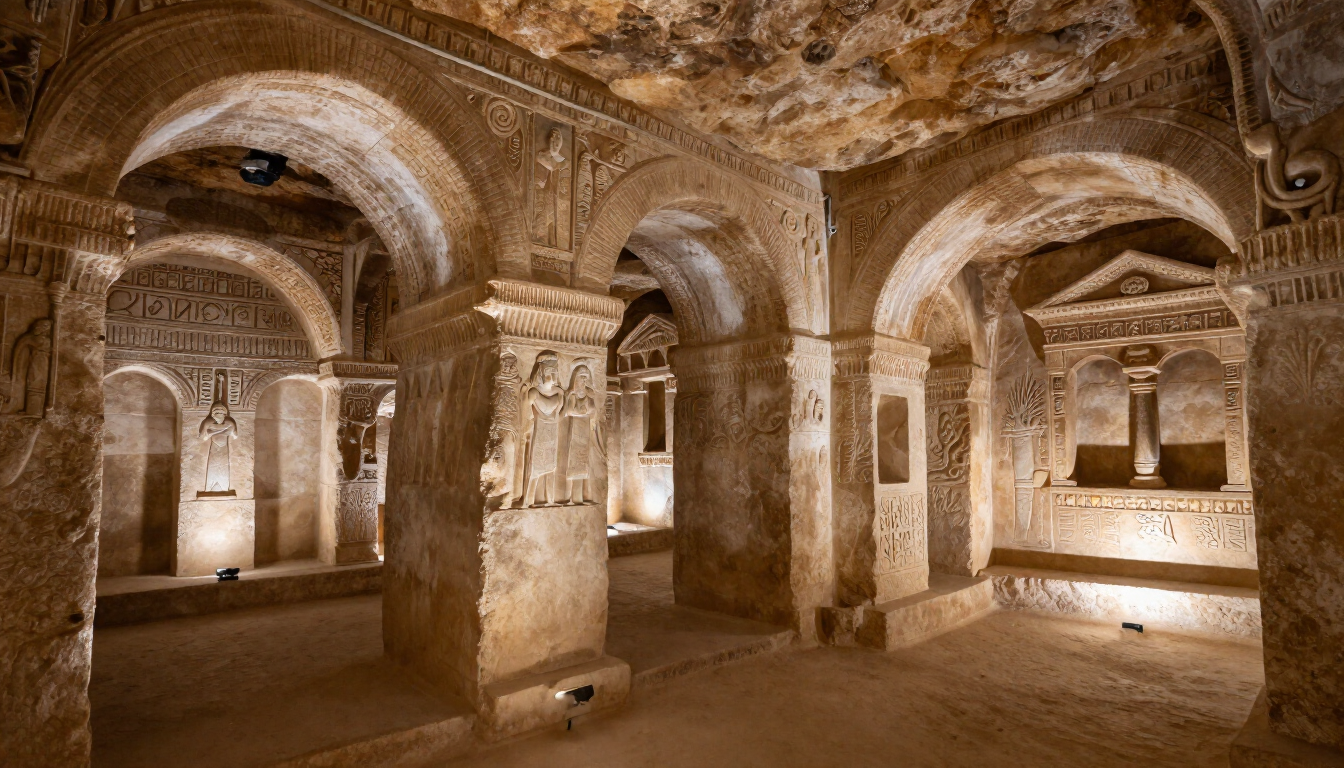
Tombs of the Nobles: A Quick Guide to Ancient Daily Life in Luxor
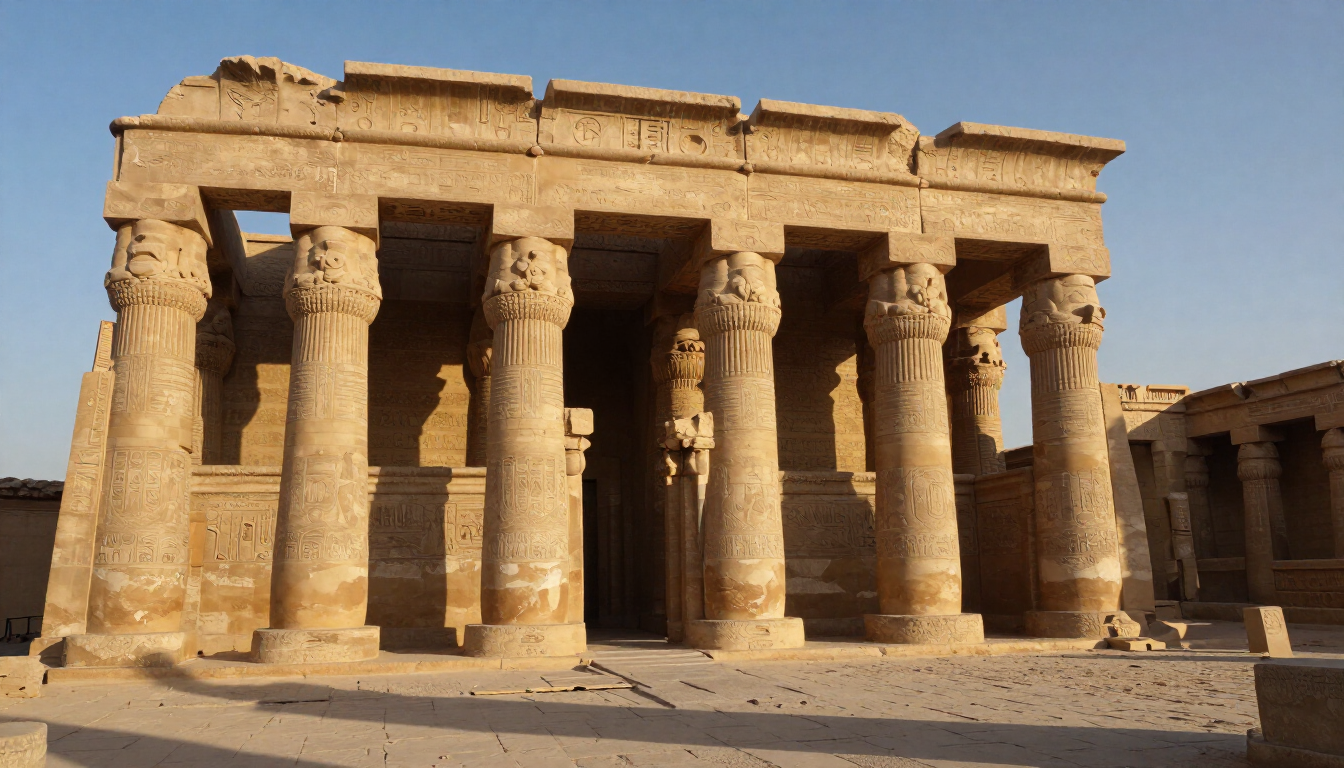
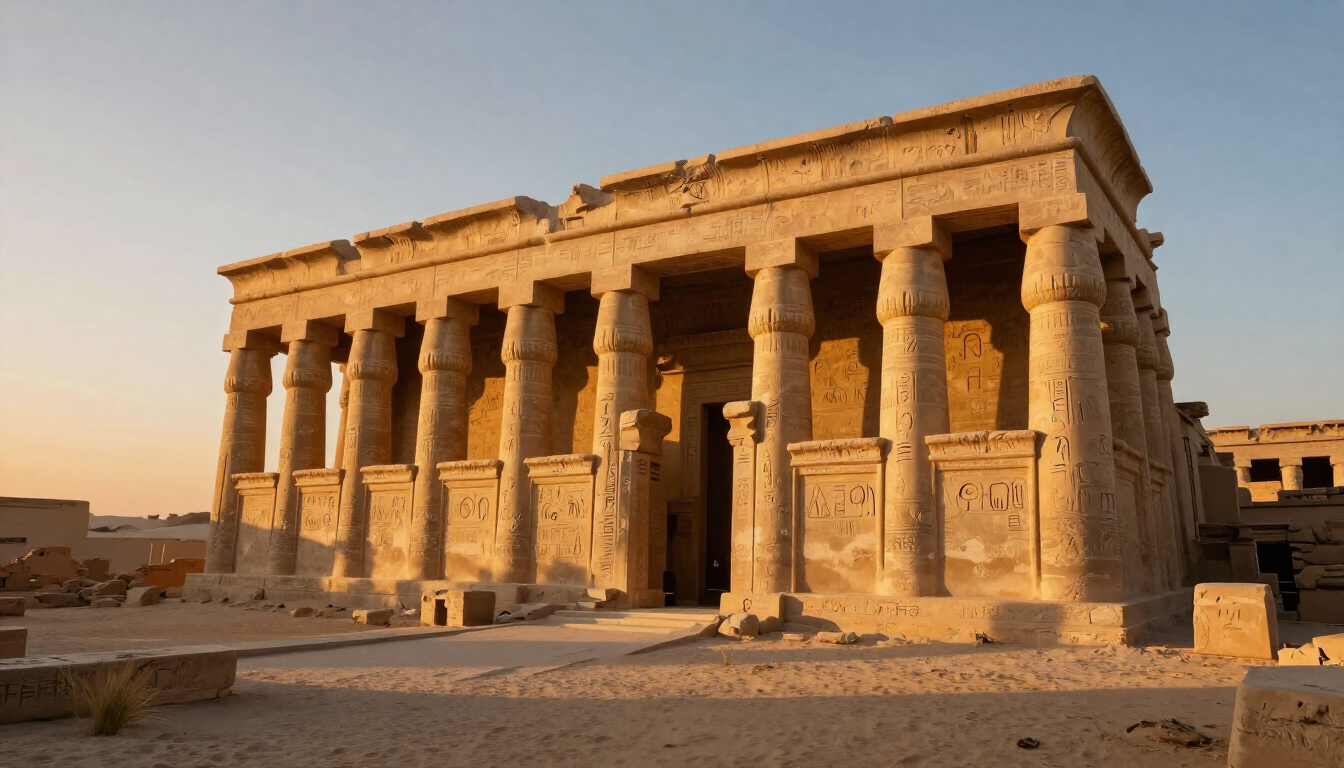
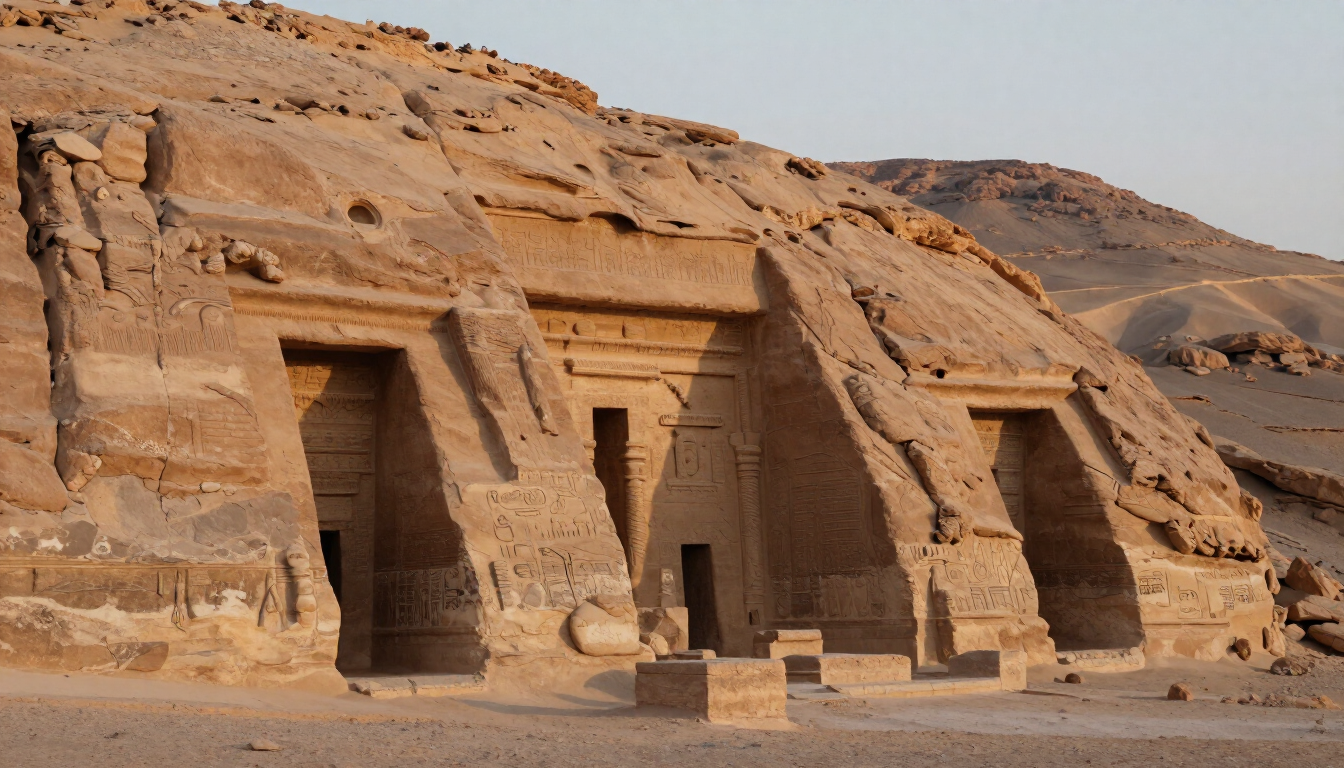
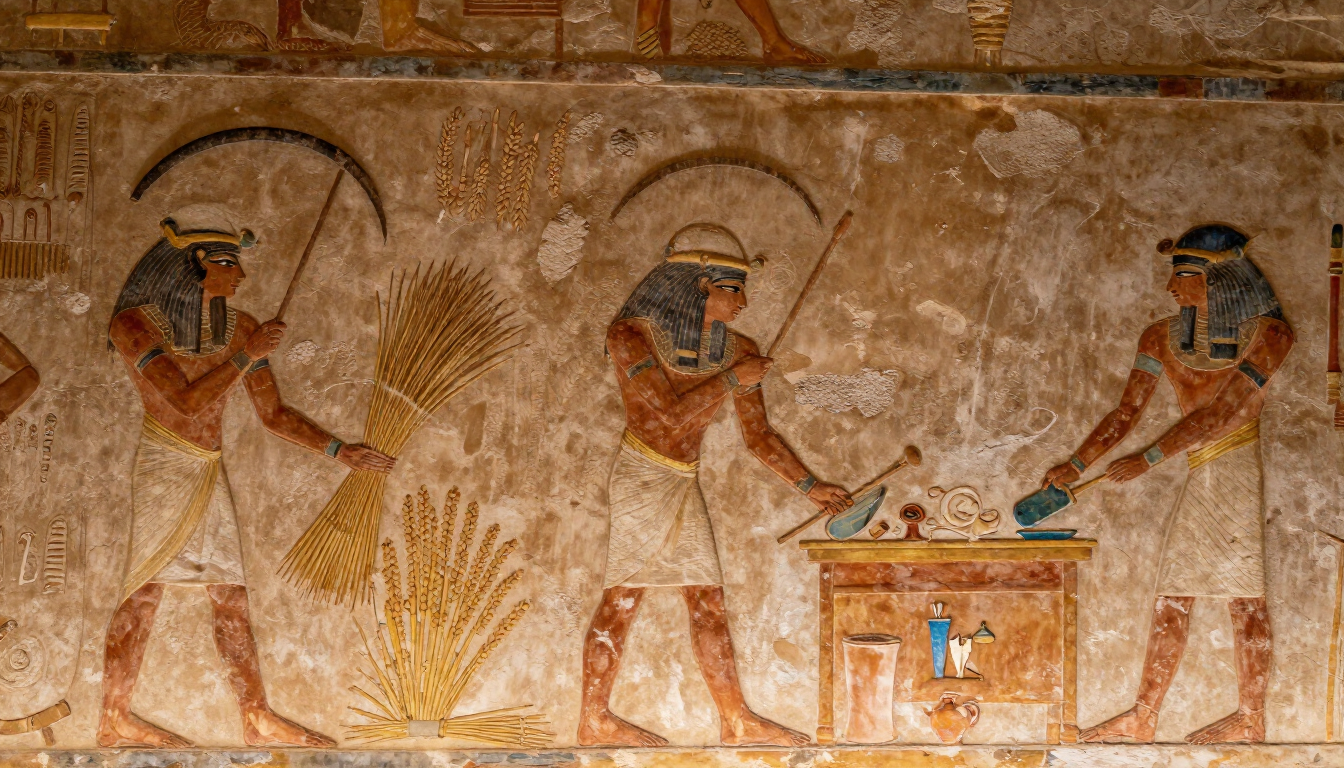
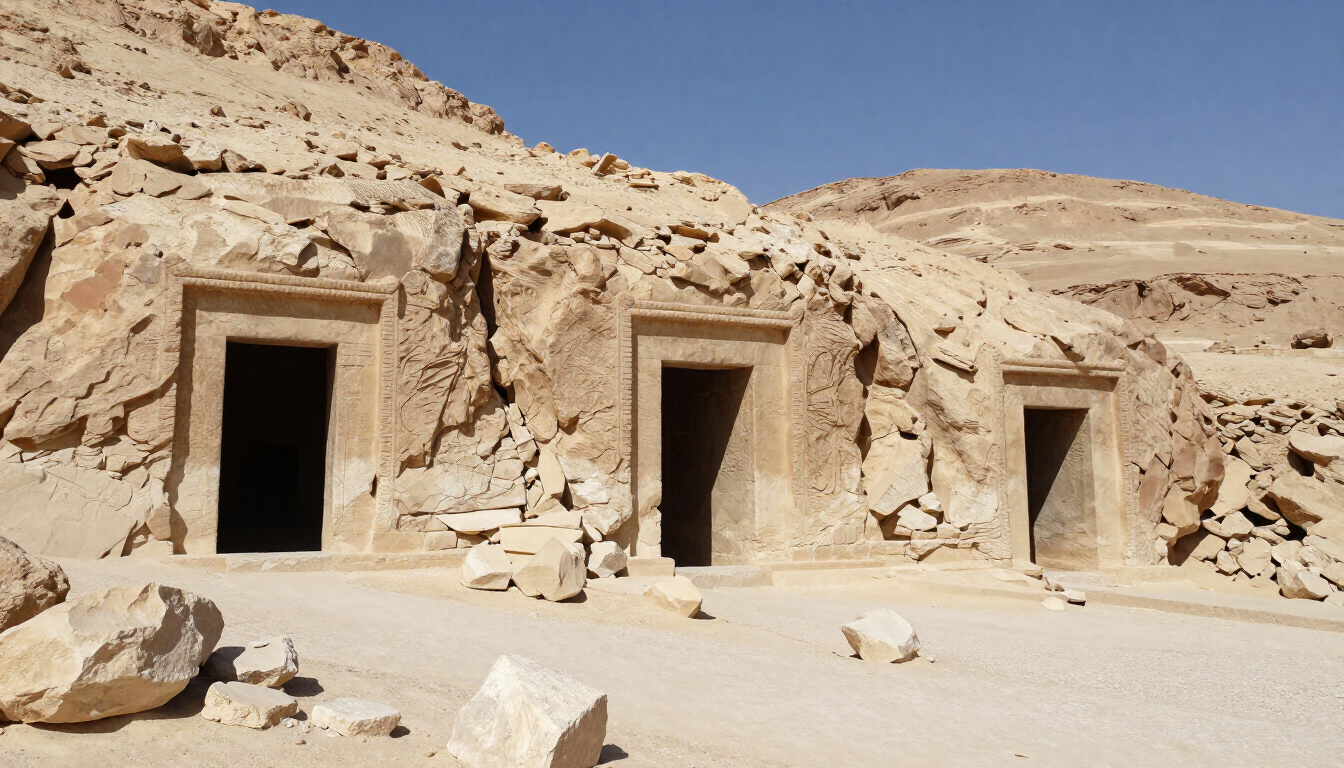
The Tombs of the Nobles in Luxor are rock-cut burial sites for ancient Egyptian officials, priests, governors, and other respected community leaders. Unlike royal tombs, their painted scenes often focus on ordinary life—farming, fishing, crafts, family, and religious practices—offering a vivid view of society beyond the pharaohs.
What Are the Tombs of the Nobles in Luxor?
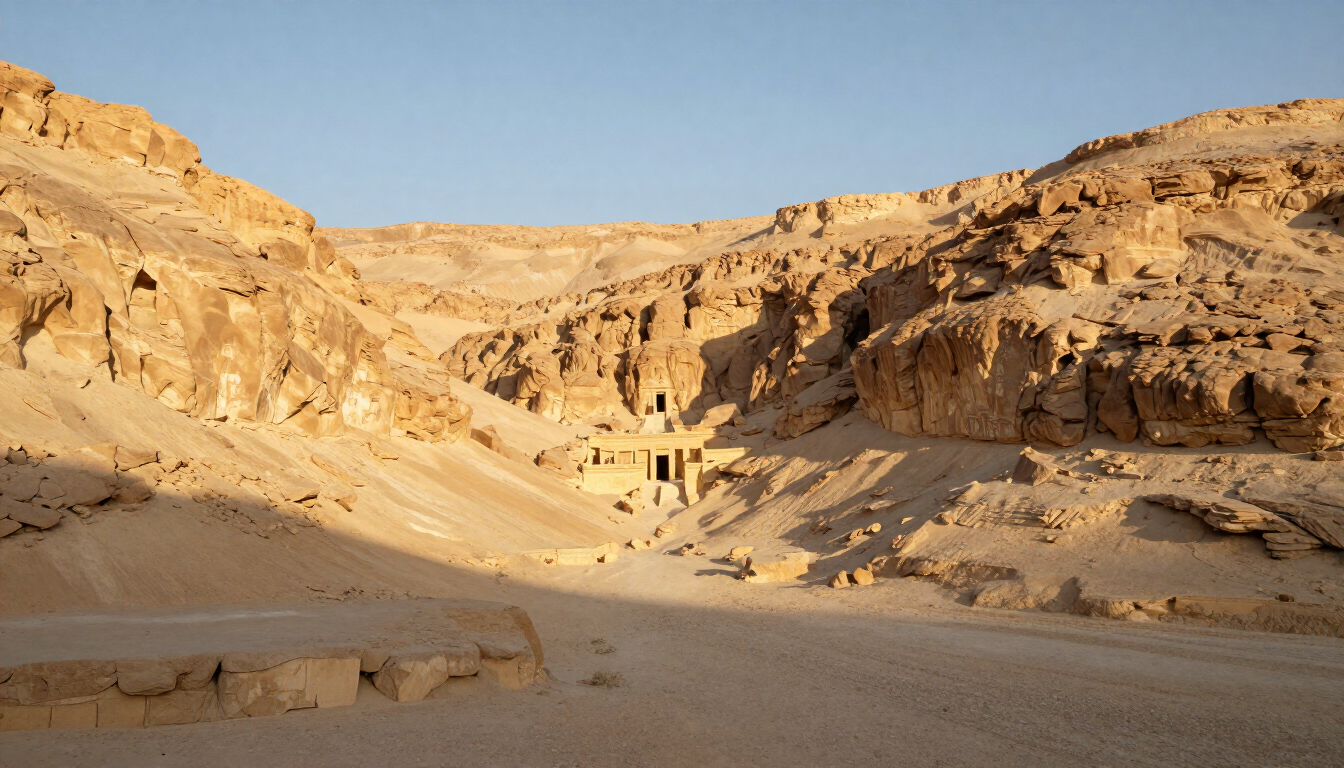
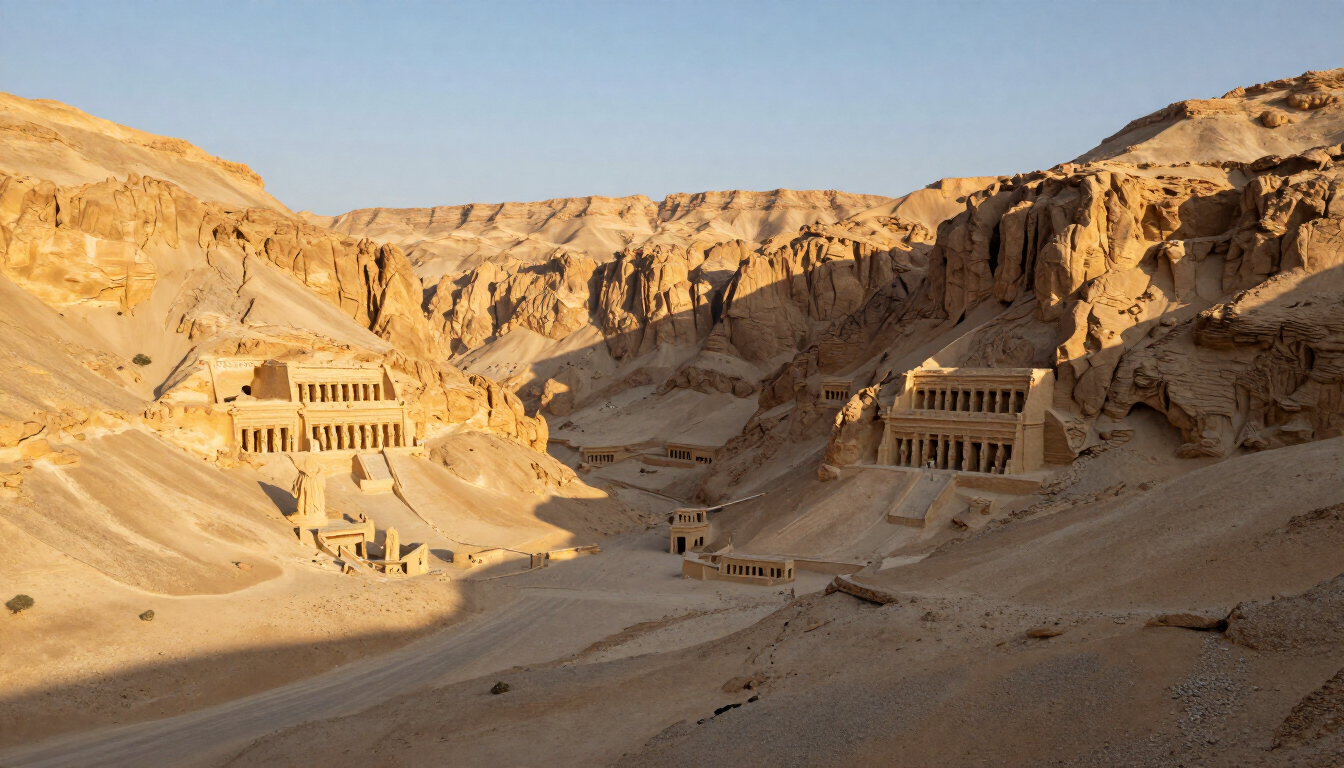
The Tombs of the Nobles are located on Luxor’s West Bank, near the larger royal burial areas of the Valley of the Kings and Valley of the Queens. They were created mainly during the New Kingdom and later periods, when powerful officials served the pharaoh and managed important parts of Egyptian life.
These individuals were not kings, but they held influential positions. They could be governors, military leaders, priests, scribes, treasurers, or senior administrators. Their tombs reflected both their social status and their hope for a successful afterlife.
Many tombs contain decorated chambers, offering scenes, inscriptions, and images of the deceased with family members. Together, they help historians understand how ancient Egypt functioned at local and national levels.
How Were These Tombs Different From Royal Burials?
Royal tombs were designed mainly around the king’s journey into the afterlife, with strong emphasis on gods, sacred texts, and royal rebirth. The Tombs of the Nobles also included religious themes, but they often give more space to the person’s earthly identity and work.
Common differences include:
- Subject: Officials are shown with relatives, workers, servants, and priests.
- Daily life: Paintings may show planting, harvesting, fishing, hunting, and food preparation.
- Crafts: Artisans appear making pottery, furniture, jewelry, tools, and clothing.
- Purpose: Scenes could honor the deceased’s achievements and provide offerings for the afterlife.
- Style: Tomb size and decoration varied according to wealth, rank, and historical period.
This makes the site especially valuable for visitors interested in social history, not only royal monuments.
Why Do the Tombs of the Nobles Matter Today?
The tombs connect personal stories with the wider history of Luxor. Inscriptions can identify a person’s title, relatives, responsibilities, and religious beliefs. They also show how status operated in ancient Egypt: access to resources, education, temple service, and government could shape a person’s burial monument.
For travelers planning a broader visit, the site complements Luxor day tours , while Egypt Travel Packages can provide context for exploring other historical regions. The tombs are also a useful reminder that Egyptian history belongs to ordinary workers and families as much as to famous rulers.
Key Takeaways
The Tombs of the Nobles in Luxor preserve the lives of officials, priests, governors, and their families. Their scenes of farming, crafts, food, music, and worship make ancient Egypt feel personal and understandable. Unlike monuments focused almost entirely on royal power, these decorated tombs reveal how communities worked and what people valued. Add them to your Luxor history plans if you want a fuller picture of Egyptian society, then compare their everyday scenes with the grander royal monuments on the West Bank.