
The Ramesseum: A Quick Guide to Ramses II’s Mortuary Temple

Red Rose Travel • November 21, 2026

Share this article

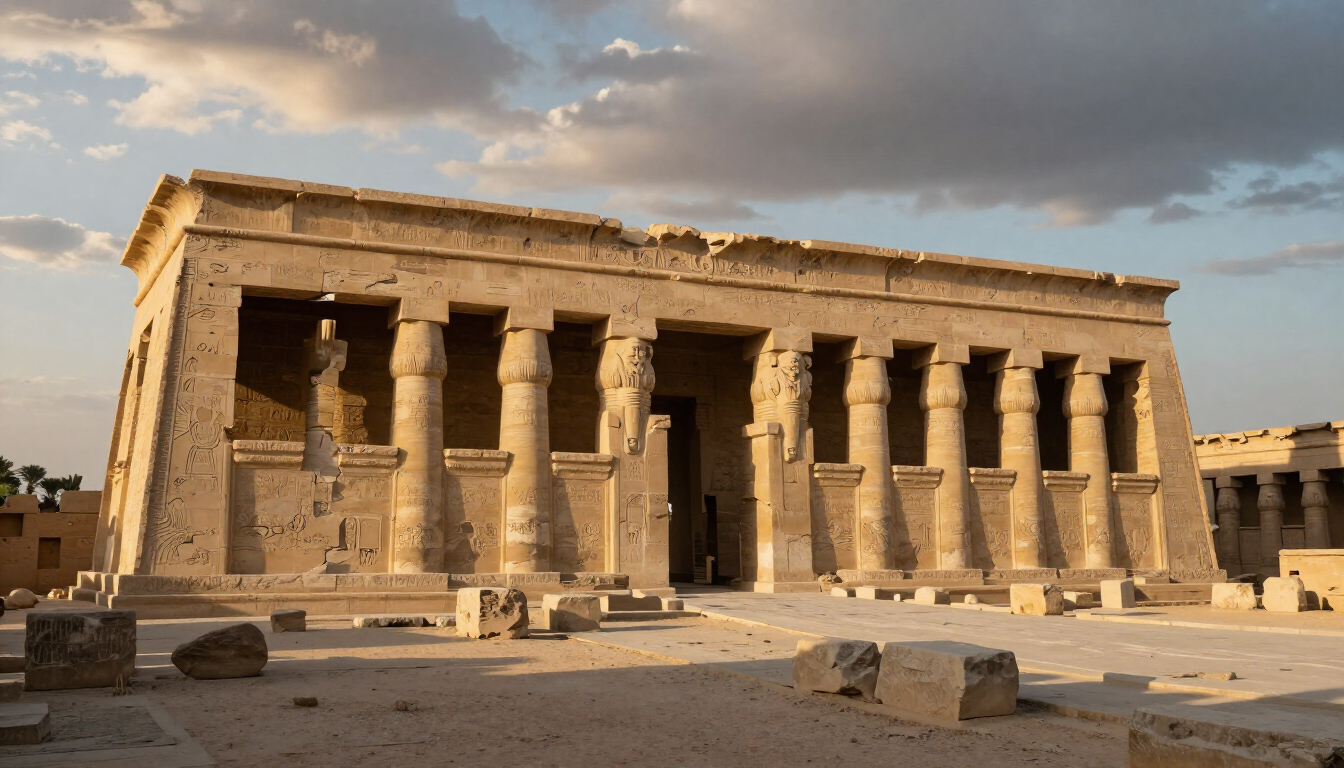
The Ramesseum in Luxor is the grand mortuary temple built by Pharaoh Ramses II during Egypt’s New Kingdom. Created to honor the king and the god Amun, it was famous for enormous statues, decorated halls, and a colossal fallen figure that helped inspire Percy Bysshe Shelley’s poem “Ozymandias.”

Photorealistic view of the Ramesseum in Luxor

What was the Ramesseum built for?

The Ramesseum was a mortuary temple , a religious complex where Ramses II could be worshipped after death. It also honored Amun, one of ancient Egypt’s most important gods.

Unlike a normal tomb, the temple was designed for ongoing rituals, offerings, and festivals. Its priests maintained the king’s cult, while inscriptions presented Ramses II as a powerful ruler chosen by the gods.

The temple formed part of the great royal landscape on Luxor’s west bank. Visitors can explore this area alongside other historic sites through Luxor day tours .

How did Ramses II shape its architecture?

Ramses II, also known as Ramses the Great, ruled for more than 60 years. The Ramesseum reflects his ambition through its monumental New Kingdom design.

Important architectural features included:

  • A grand entrance pylon decorated with scenes of royal victories
  • A large open courtyard used for ceremonies
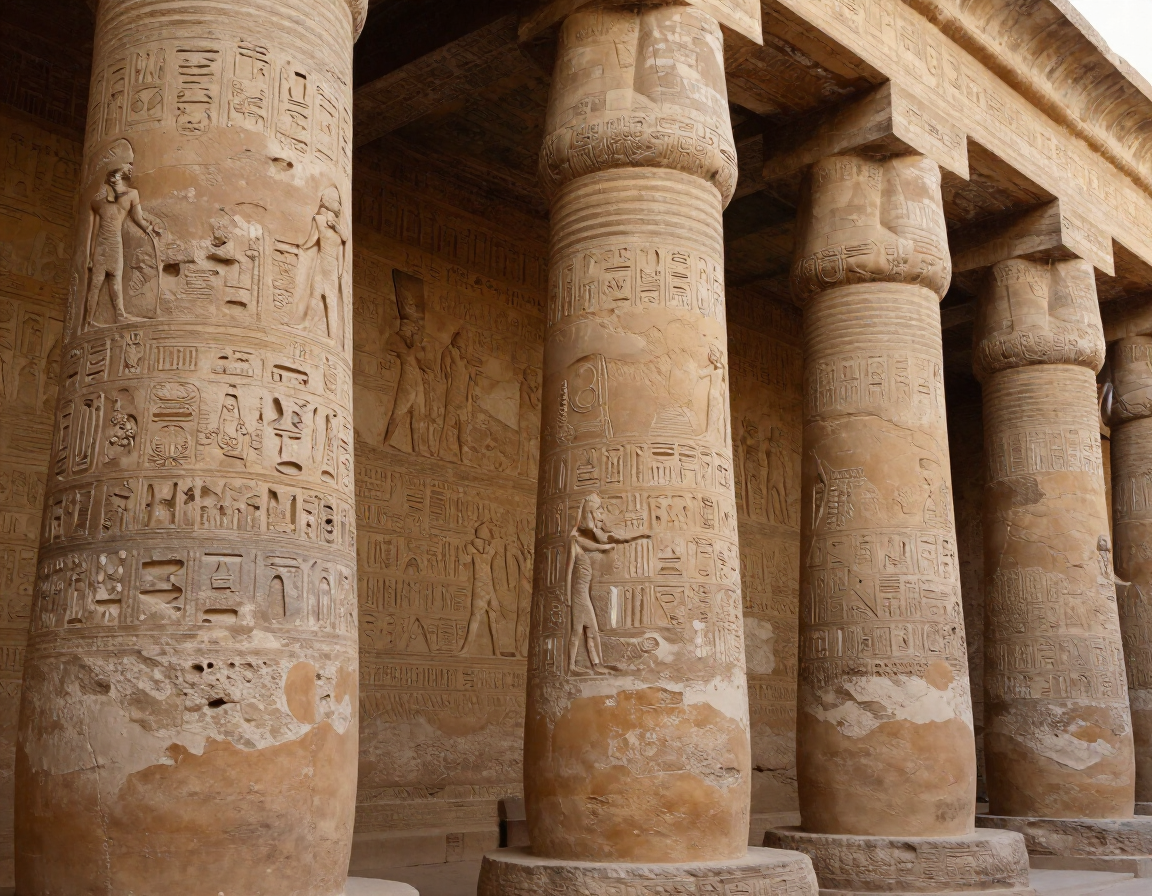
  • Colonnaded halls with massive stone columns
  • A hypostyle hall with richly carved religious scenes
  • A sanctuary and storage areas for temple activities
Photorealistic ancient columns and reliefs at the Ramesseum

What happened to the Ramesseum over time?

The Ramesseum was damaged by earthquakes, flooding, stone removal, and the passage of centuries. Like many ancient Egyptian temples, it gradually lost parts of its walls, columns, and statues.

Even in ruins, the site shows the scale of Ramses II’s building program. Fallen blocks and broken columns help visitors understand how enormous the original complex was. The remaining reliefs also preserve valuable evidence about royal ceremony, religion, and warfare in the New Kingdom.

The famous fallen colossus

The best-known remains are connected to a colossal statue of Ramses II. The statue once stood at the entrance and may have weighed many tonnes. It later fell and broke, leaving a dramatic fragment among the ruins.

Its ruined condition attracted the attention of European travelers and writers. The statue’s broken appearance became associated with Percy Bysshe Shelley’s 1818 sonnet “Ozymandias.” In the poem, a traveler describes the remains of a proud ruler’s statue standing in an empty desert. “Ozymandias” is the Greek name traditionally linked with Ramses II.

Why is the Ramesseum important today?

The Ramesseum combines architecture, political history, religion, and literature in one place. It reveals how Ramses II used temples and images to build a lasting public identity, while its ruins demonstrate the effects of time on monumental construction.

For travelers interested in ancient Egypt, the temple adds valuable context to the wider west-bank heritage area. It can also complement a broader Egypt Classic Tour or a customized itinerary through Tailor a Tour .

Key takeaways

  • The Ramesseum was Ramses II’s grand mortuary temple in Luxor.
  • Its architecture represents the power and religious ideas of the New Kingdom.
  • Reliefs celebrated the king’s victories, rituals, and divine connection.
  • A fallen colossal statue is linked to the story of “Ozymandias.”
  • The ruins remain an important part of Egypt’s ancient heritage.

Recent Posts

Catacombs of Kom El Shoqafa underground burial chambers in Alexandria, Egypt
By Red Rose Travel • November 22, 2026
Explore the Catacombs of Kom El Shoqafa in Alexandria, Egypt, the country’s largest known Roman burial site and a striking blend of Egyptian, Greek, and Roman art.
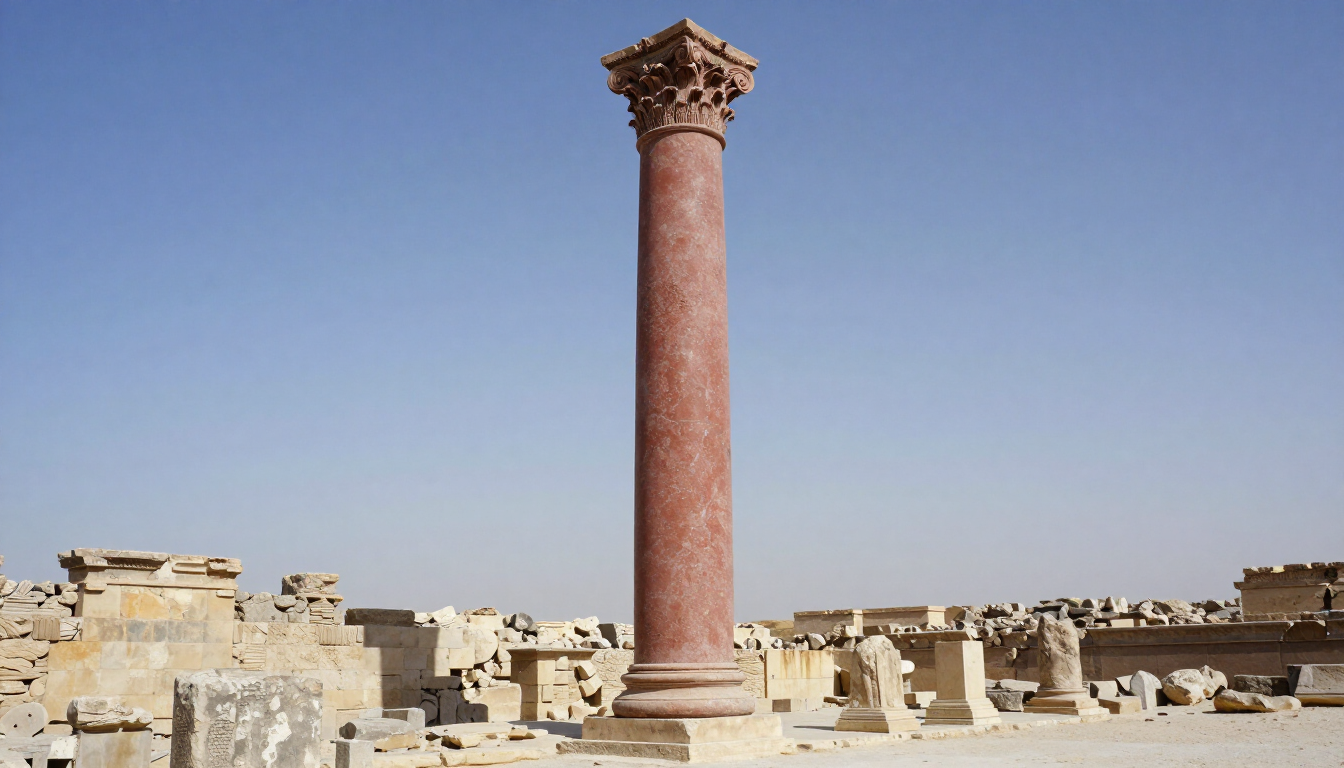
Pompey’s Pillar in Alexandria, Egypt, a red granite Roman column
By Red Rose Travel • November 22, 2026
Learn why Pompey’s Pillar is Egypt’s tallest ancient Roman triumphal column, how it was built from red Aswan granite, and what remains of Alexandria’s Serapeum.
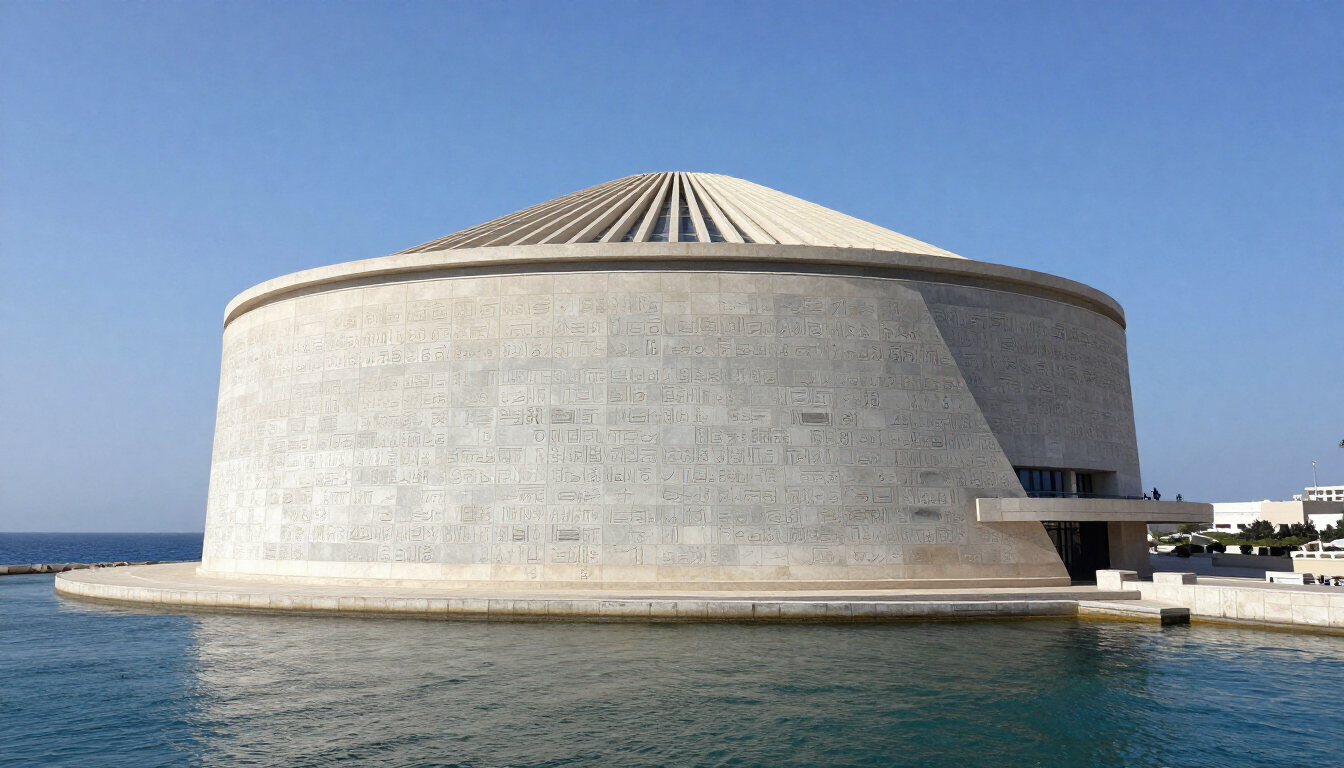
Bibliotheca Alexandrina in Alexandria, Egypt beside the Mediterranean Sea
By Red Rose Travel • November 22, 2026
Discover the Bibliotheca Alexandrina in Alexandria, Egypt—its ancient inspiration, sun-disc design, granite wall, and role as a modern cultural center.
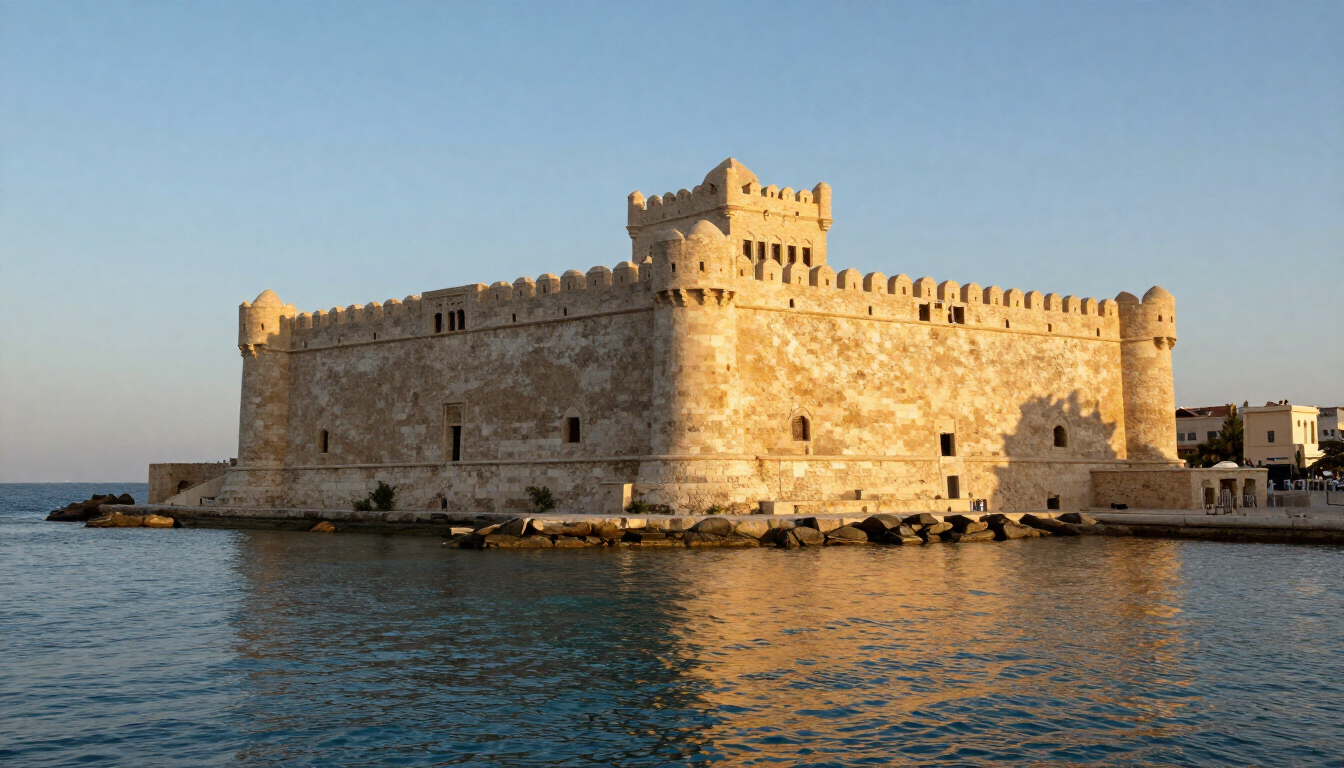
Citadel of Qaitbay in Alexandria, Egypt
By Red Rose Tours • November 22, 2026
Discover the Citadel of Qaitbay in Alexandria, including its 15th-century Mamluk history, coastal defense role, and connection to the ancient Lighthouse of Alexandria.
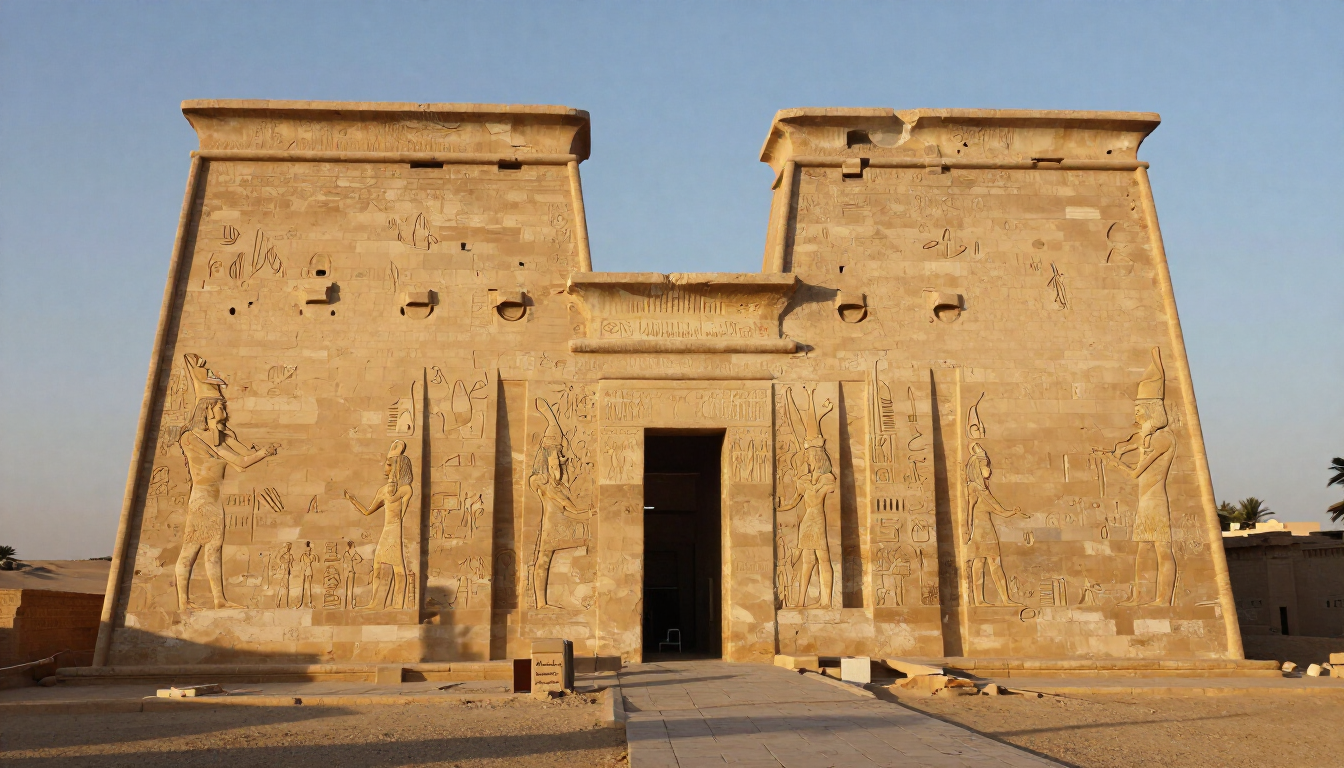
Abydos Temple of Seti I in Sohag, Egypt
By Red Rose Travel • November 22, 2026
Discover Abydos Temple in Sohag, Egypt: its sacred link to Osiris, fine limestone reliefs, the Abydos King List, and the mysterious Osireion.
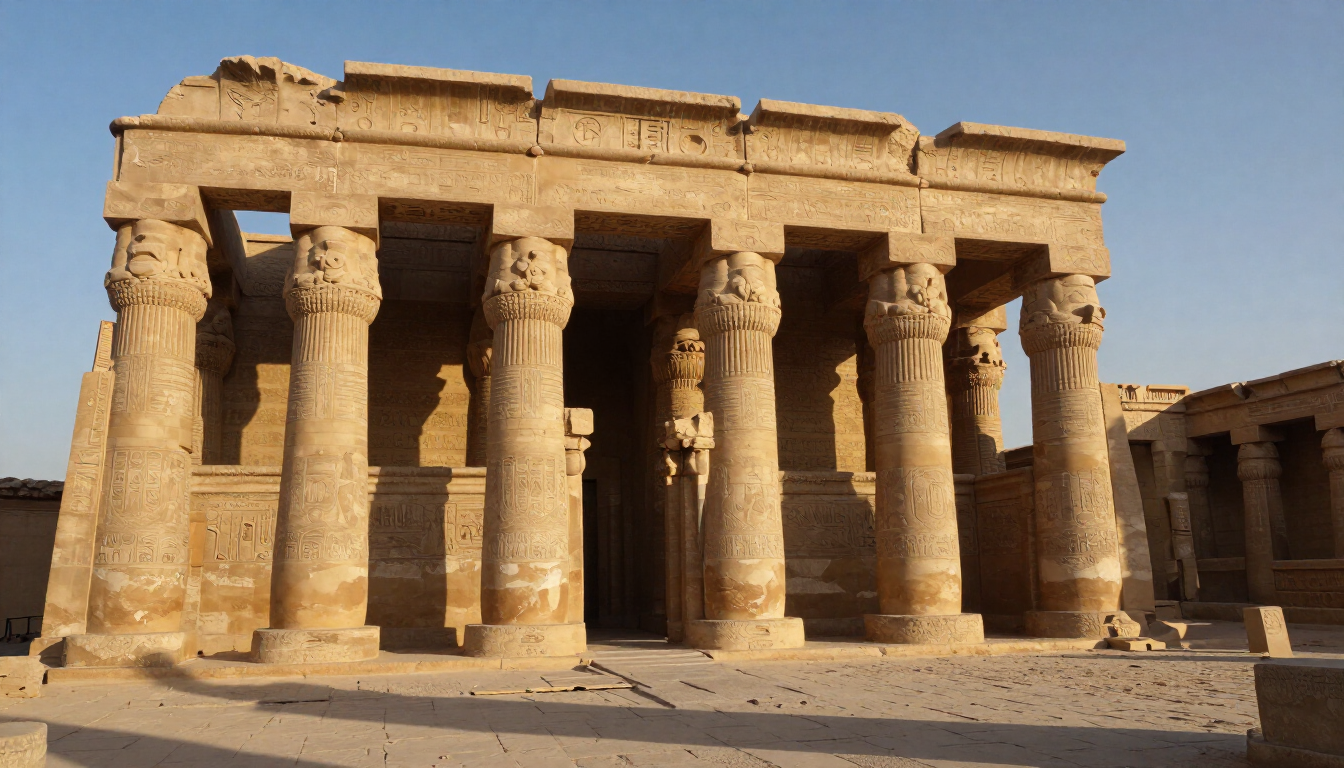
Dendera Temple Complex in Qena, Egypt
By Red Rose Travel • November 22, 2026
Explore the Dendera Temple Complex in Qena, Egypt, including Hathor, colorful ceilings, Greco-Roman architecture, and the famous astronomical zodiac.
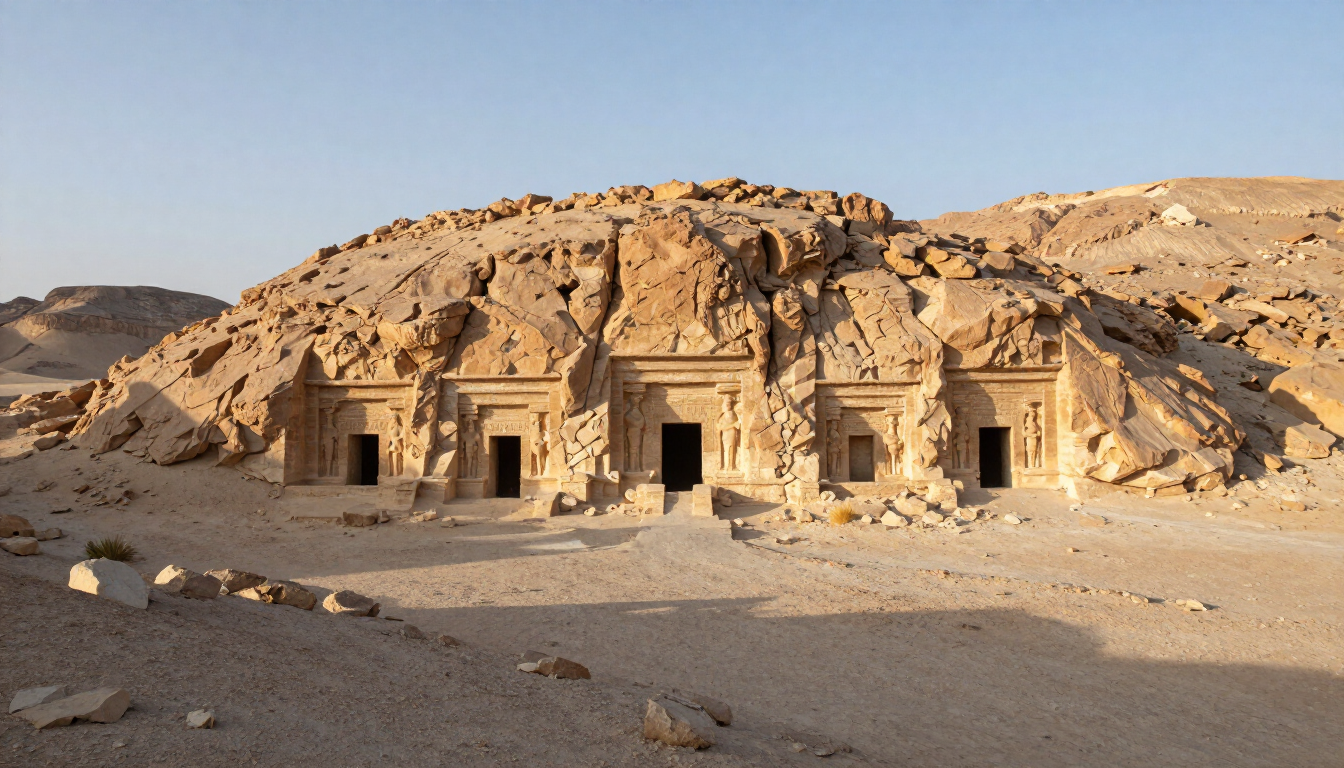
Tombs of the Nobles in Luxor
By Red Rose Travel • November 21, 2026
Discover how the Tombs of the Nobles in Luxor preserve the lives, work, beliefs, and daily routines of ancient Egyptian officials, priests, and governors.
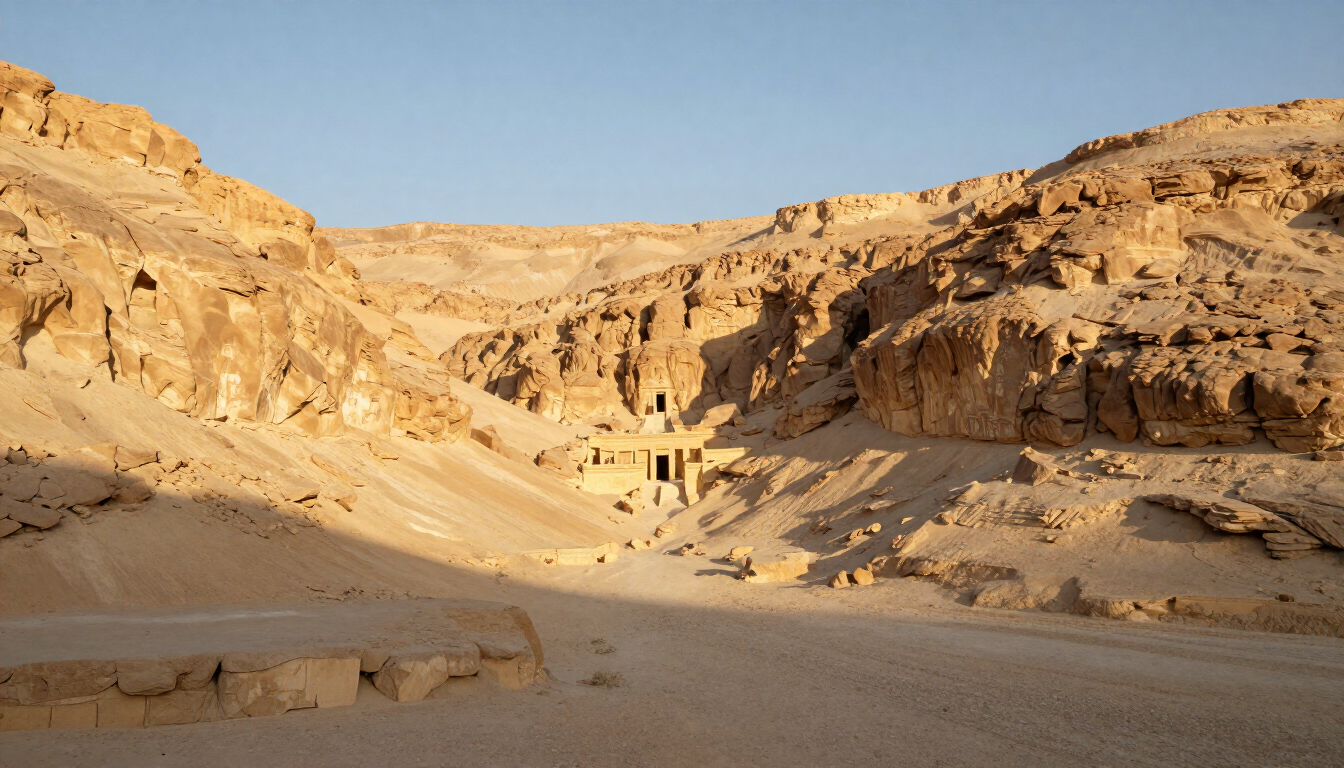
Valley of the Queens in Luxor, Egypt
By Red Rose Travel • November 21, 2026
Discover the Valley of the Queens in Luxor, its ancient name Place of Beauty, New Kingdom burials, Queen Nefertari, and why it matters today.
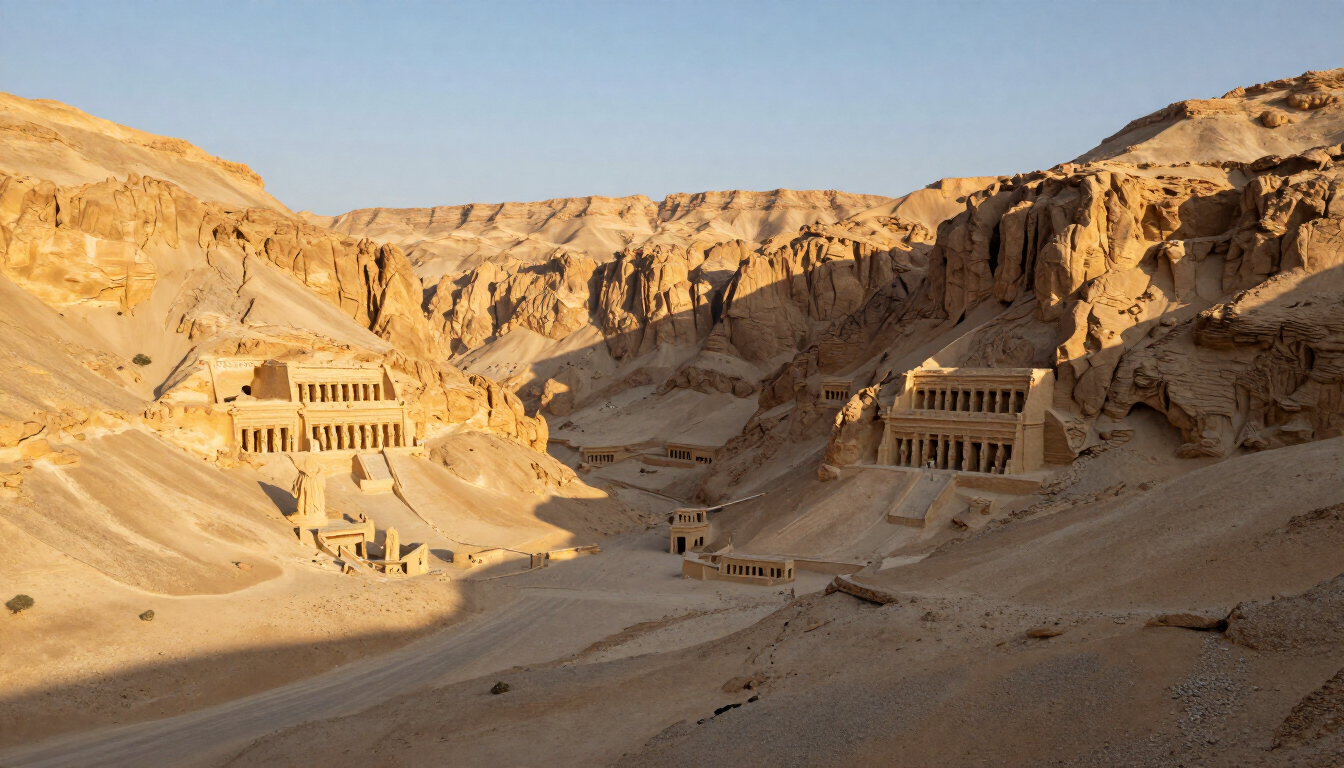
Valley of the Kings in Luxor with desert cliffs and ancient tomb entrances
By Red Rose Tours • November 21, 2026
Discover why the Valley of the Kings became Egypt’s royal burial ground, which famous pharaohs were buried there, and what makes its tombs so important.
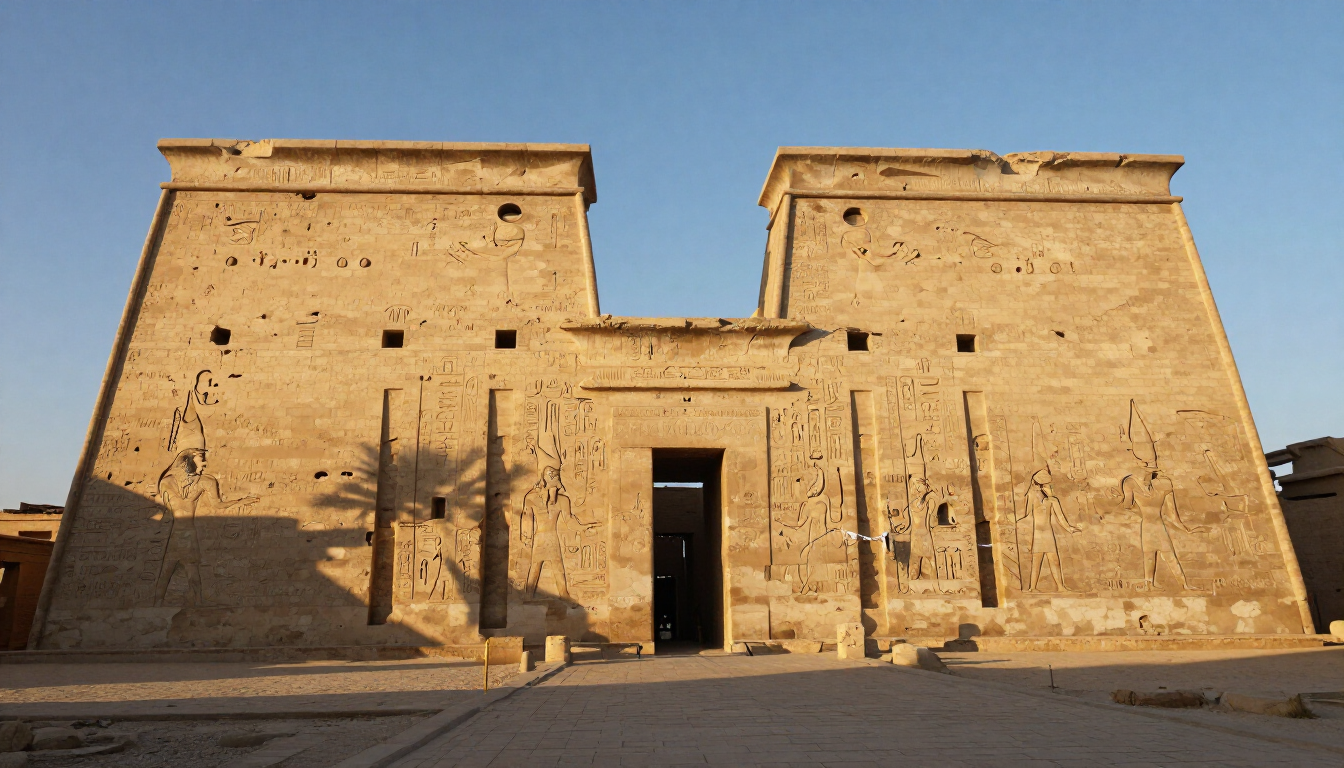
Medinet Habu temple in Luxor, Egypt
By Red Rose Travel • November 21, 2026
Discover Medinet Habu in Luxor, the mortuary temple of Ramses III, including its massive scale, fortified design, history, and remarkably preserved stonework.