

Pompey’s Pillar: A Quick Guide to Alexandria’s Roman Landmark

Red Rose Travel • November 22, 2026

Share this article

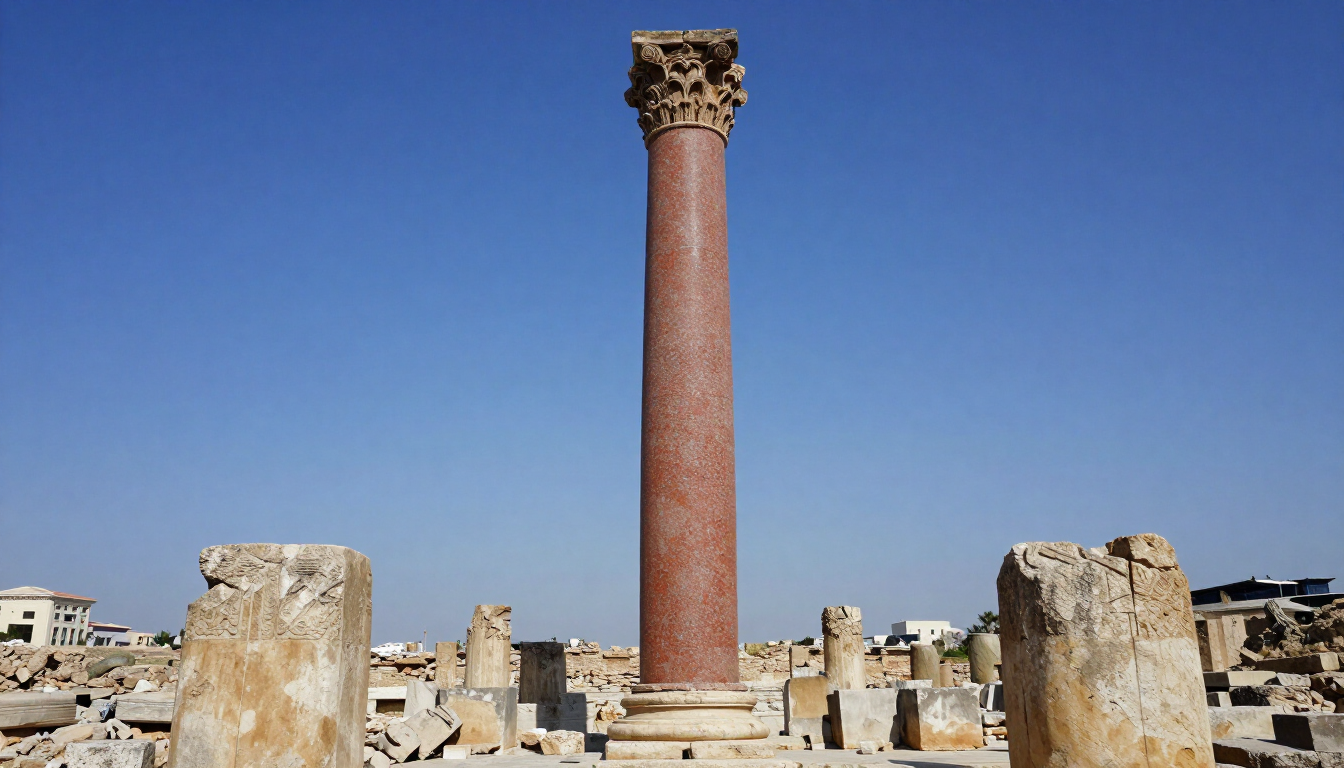
Pompey’s Pillar is Alexandria’s tallest ancient Roman triumphal column and one of Egypt’s best-preserved Roman monuments. Made from a single shaft of red Aswan granite, it was erected in the 3rd century CE to honor Emperor Diocletian. The column stands among the remains of the ancient Serapeum temple.

Pompey’s Pillar in Alexandria, Egypt, rising above ancient ruins

Where is Pompey’s Pillar?

Pompey’s Pillar is in Alexandria, Egypt, on the western side of the modern city. It stands near the ancient district of Rhakotis, where the Serapeum once served as an important religious center.

The monument is a memorable stop for travelers interested in Alexandria’s Greek, Roman, and Egyptian past. It can also be included in wider Egypt travel packages or explored as part of Egypt daily excursions .

Why is Pompey’s Pillar important?

Pompey’s Pillar is important because it represents Alexandria’s Roman period and demonstrates the scale of ancient engineering. It is often described as the tallest ancient Roman triumphal column in Egypt. Unlike many monumental columns built from several pieces, its main shaft was carved from one enormous block of granite.

The name can be misleading. The column was not built for the Roman general Pompey. Its popular name developed later because medieval visitors connected it with stories about Pompey’s death and burial. Historically, the monument was associated with Emperor Diocletian.

Key facts at a glance

  • Location: Alexandria, Egypt
  • Material: Red Aswan granite
  • Date: 3rd century CE
  • Dedication: Emperor Diocletian
  • Setting: The ruins of the ancient Serapeum
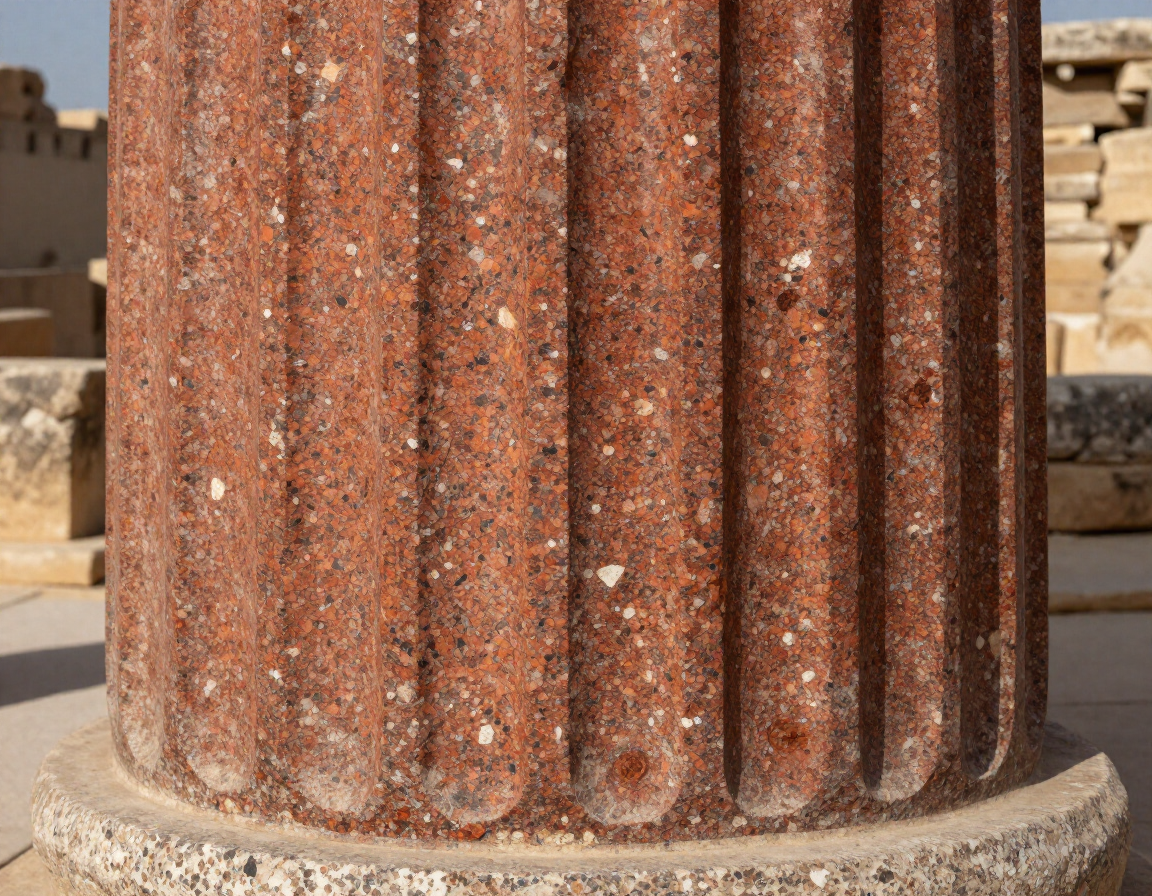
Close view of the red Aswan granite surface of Pompey’s Pillar

Who built Pompey’s Pillar and why?

The column was erected in the 3rd century CE, during the reign of Emperor Diocletian. Alexandria had experienced unrest and political difficulty, and the monument is generally understood as part of a Roman effort to commemorate imperial authority and support the city after conflict.

Although the original inscription has not survived in full, historical evidence connects the dedication with Diocletian. The column may have honored him or marked a major public restoration associated with his rule.

Its huge red granite shaft was transported from Aswan in southern Egypt. Moving such a massive stone over a long distance required advanced planning, labor, and knowledge of river transport. The material also connected the Roman monument with Egypt’s long tradition of monumental stonework.

What can you see around the Serapeum ruins?

Pompey’s Pillar does not stand alone. It is surrounded by archaeological remains linked to the Serapeum, a temple dedicated to Serapis, a god whose worship combined Egyptian and Greek traditions. The Serapeum was one of Alexandria’s major religious complexes.

Around the column, visitors can see traces of the ancient sanctuary, fallen architectural fragments, underground areas, and other remains from different periods. These ruins help explain how Alexandria developed as a multicultural city where Egyptian beliefs met Greek and Roman influence.

The site is especially valuable for understanding that ancient Alexandria was more than a center of learning and trade. It was also a place of changing religions, imperial power, and impressive public architecture.

A lasting symbol of Roman Alexandria

Pompey’s Pillar is a concise introduction to Alexandria’s Roman history. Its single red granite shaft shows the ambition of ancient builders, while the surrounding Serapeum ruins reveal the city’s layered religious and cultural past. Remember that the name refers to a later tradition, not the monument’s original purpose. If Alexandria’s history interests you, compare this site with other destinations through Egypt classic tours , travel tips , or the available Egypt FAQ .

Recent Posts

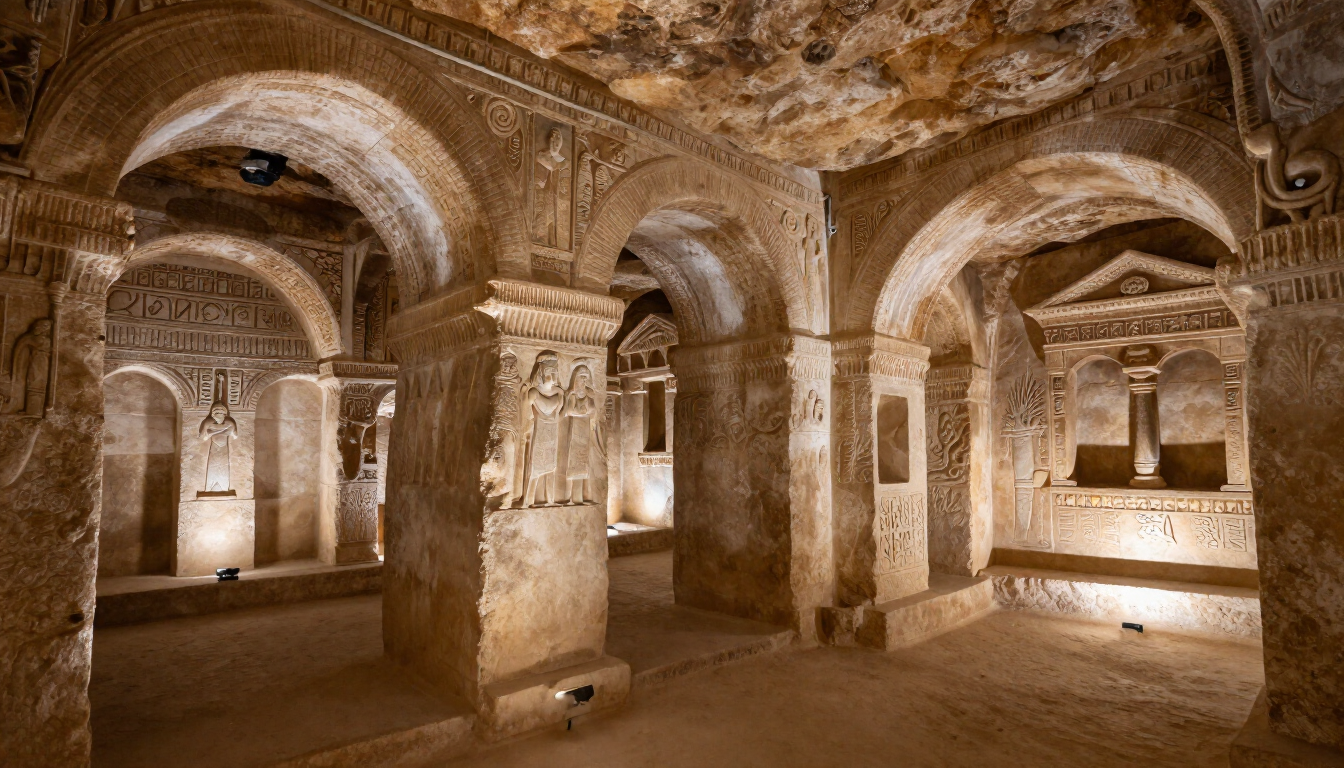
Catacombs of Kom El Shoqafa underground burial chambers in Alexandria, Egypt
By Red Rose Travel • November 22, 2026
Explore the Catacombs of Kom El Shoqafa in Alexandria, Egypt, the country’s largest known Roman burial site and a striking blend of Egyptian, Greek, and Roman art.
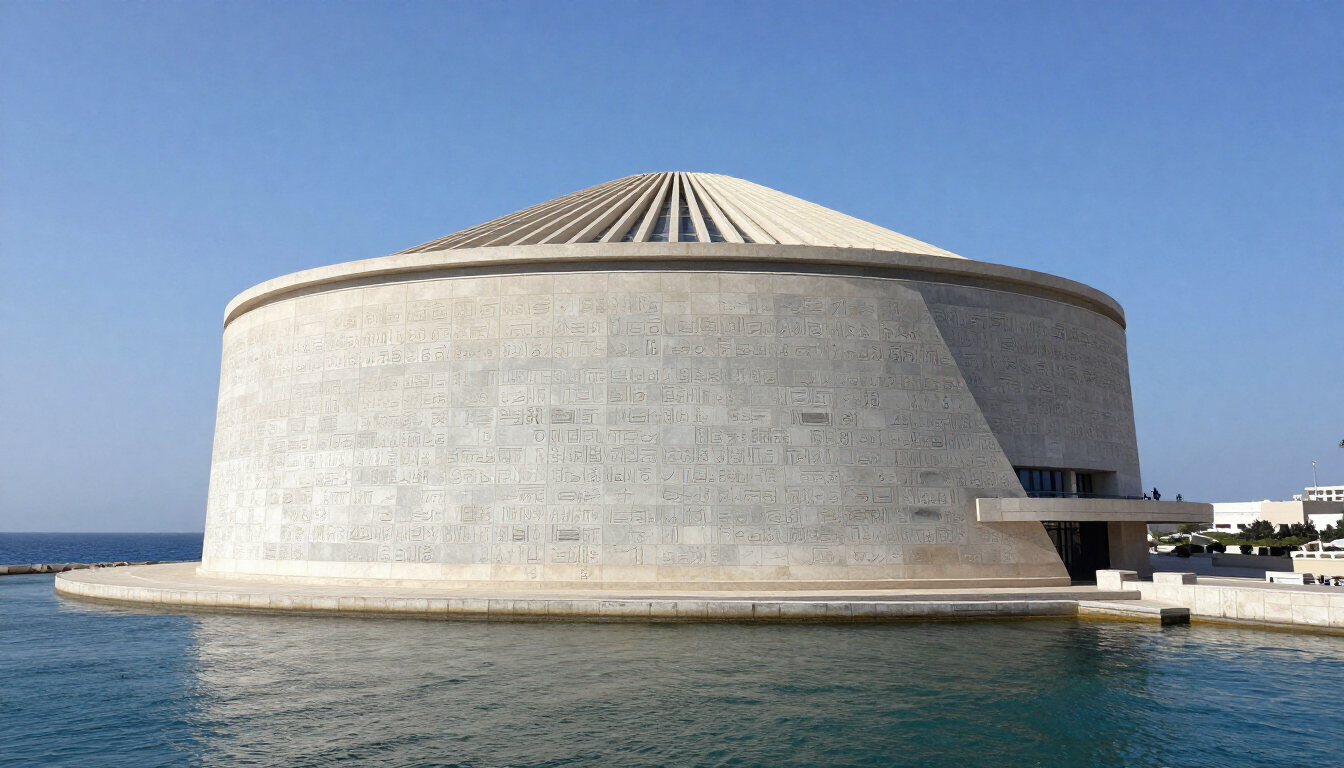
Bibliotheca Alexandrina in Alexandria, Egypt beside the Mediterranean Sea
By Red Rose Travel • November 22, 2026
Discover the Bibliotheca Alexandrina in Alexandria, Egypt—its ancient inspiration, sun-disc design, granite wall, and role as a modern cultural center.
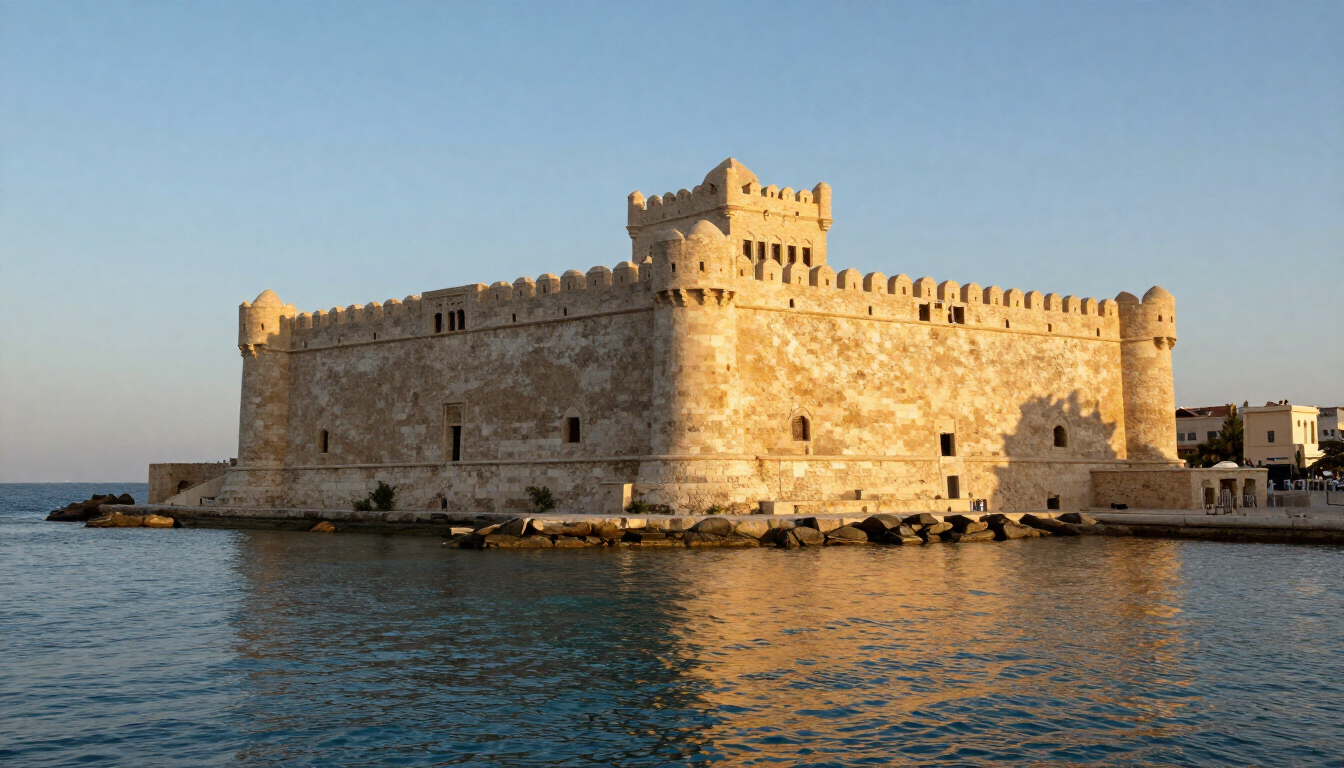
Citadel of Qaitbay in Alexandria, Egypt
By Red Rose Tours • November 22, 2026
Discover the Citadel of Qaitbay in Alexandria, including its 15th-century Mamluk history, coastal defense role, and connection to the ancient Lighthouse of Alexandria.
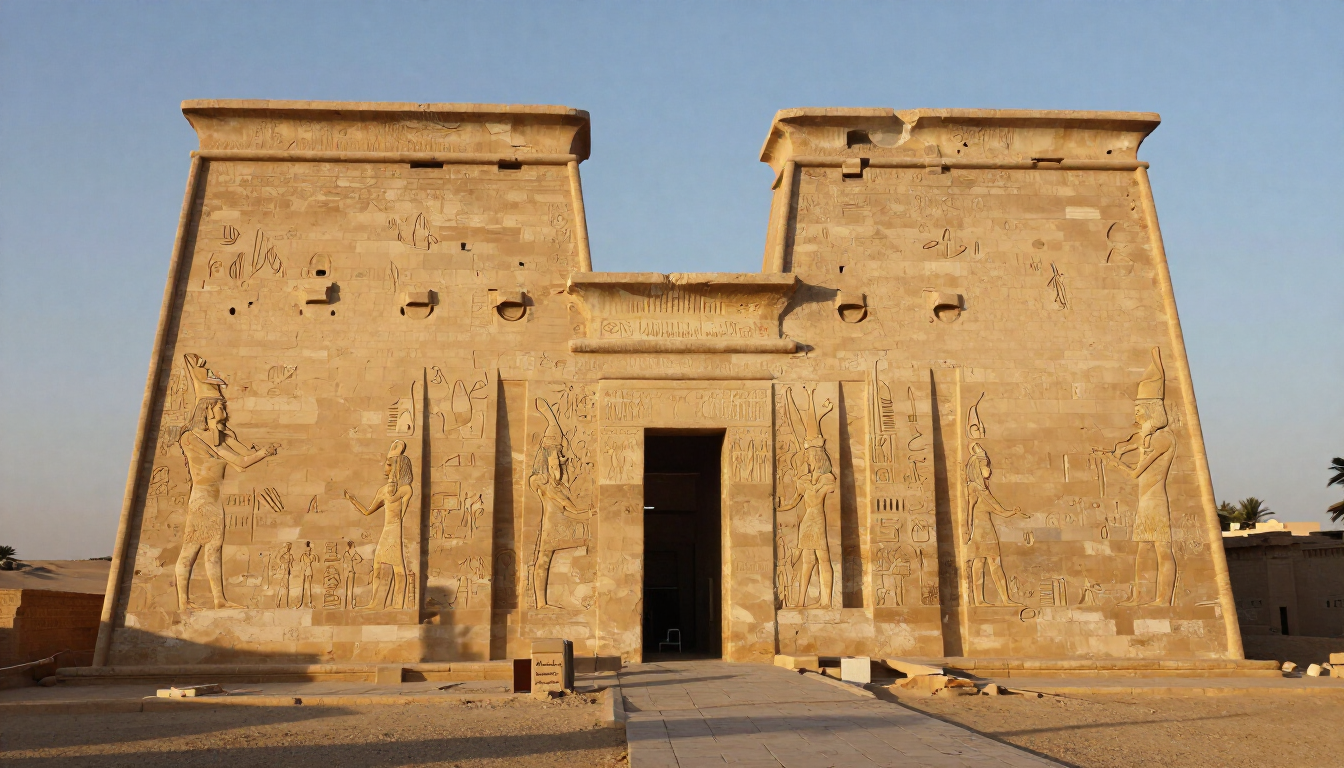
Abydos Temple of Seti I in Sohag, Egypt
By Red Rose Travel • November 22, 2026
Discover Abydos Temple in Sohag, Egypt: its sacred link to Osiris, fine limestone reliefs, the Abydos King List, and the mysterious Osireion.
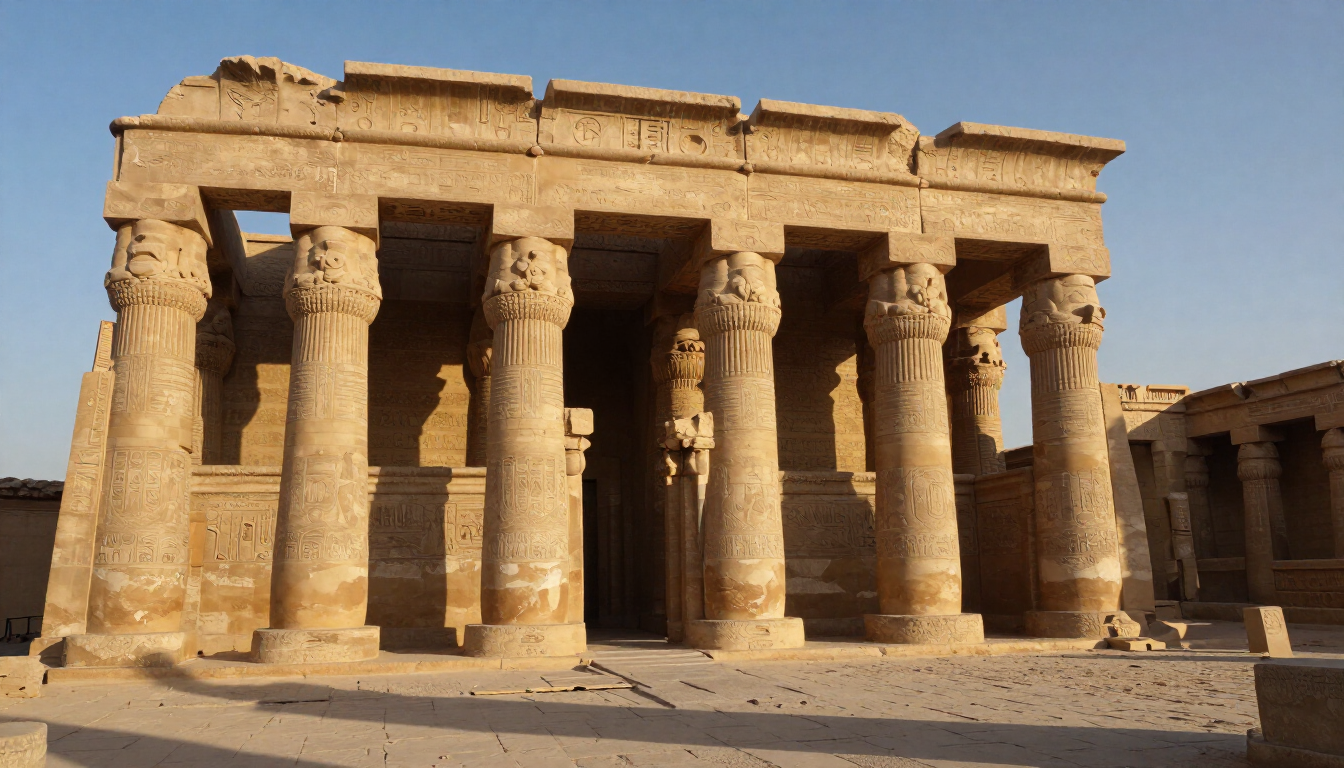
Dendera Temple Complex in Qena, Egypt
By Red Rose Travel • November 22, 2026
Explore the Dendera Temple Complex in Qena, Egypt, including Hathor, colorful ceilings, Greco-Roman architecture, and the famous astronomical zodiac.
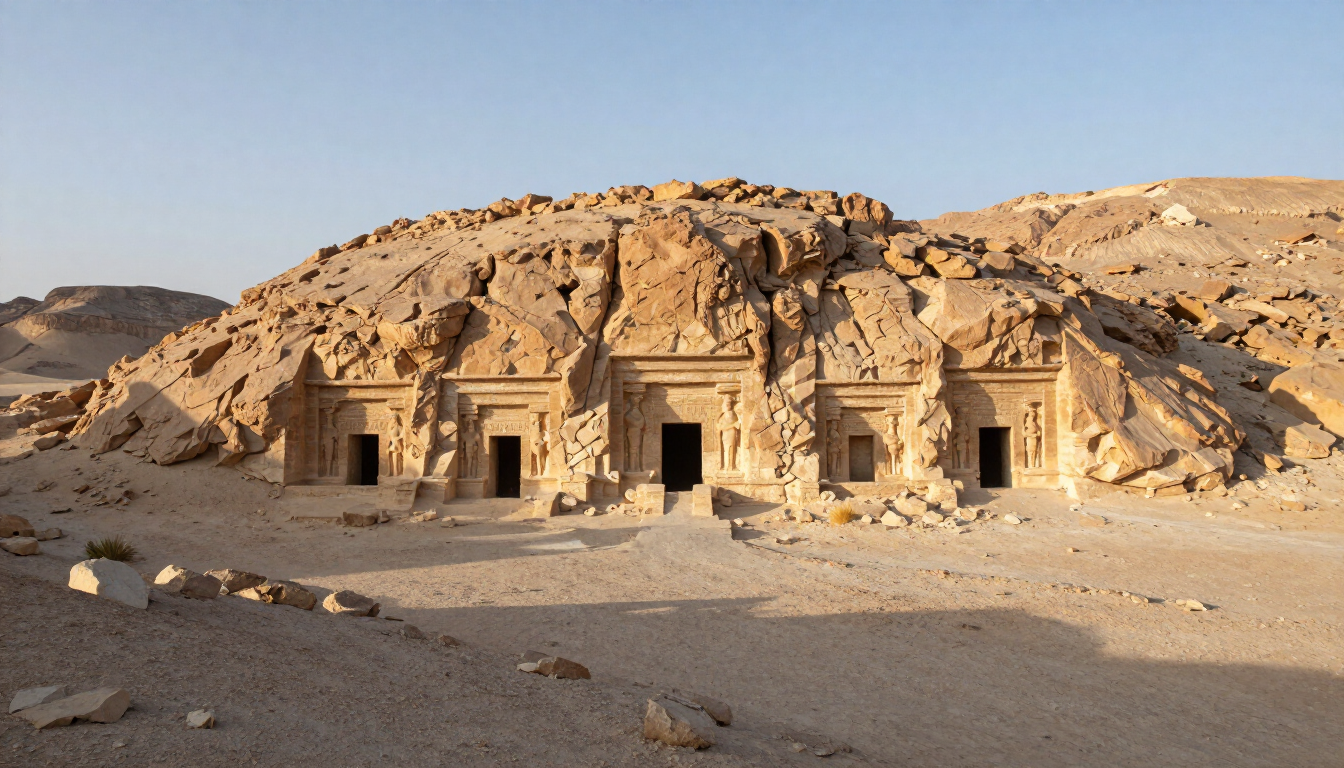
Tombs of the Nobles in Luxor
By Red Rose Travel • November 21, 2026
Discover how the Tombs of the Nobles in Luxor preserve the lives, work, beliefs, and daily routines of ancient Egyptian officials, priests, and governors.
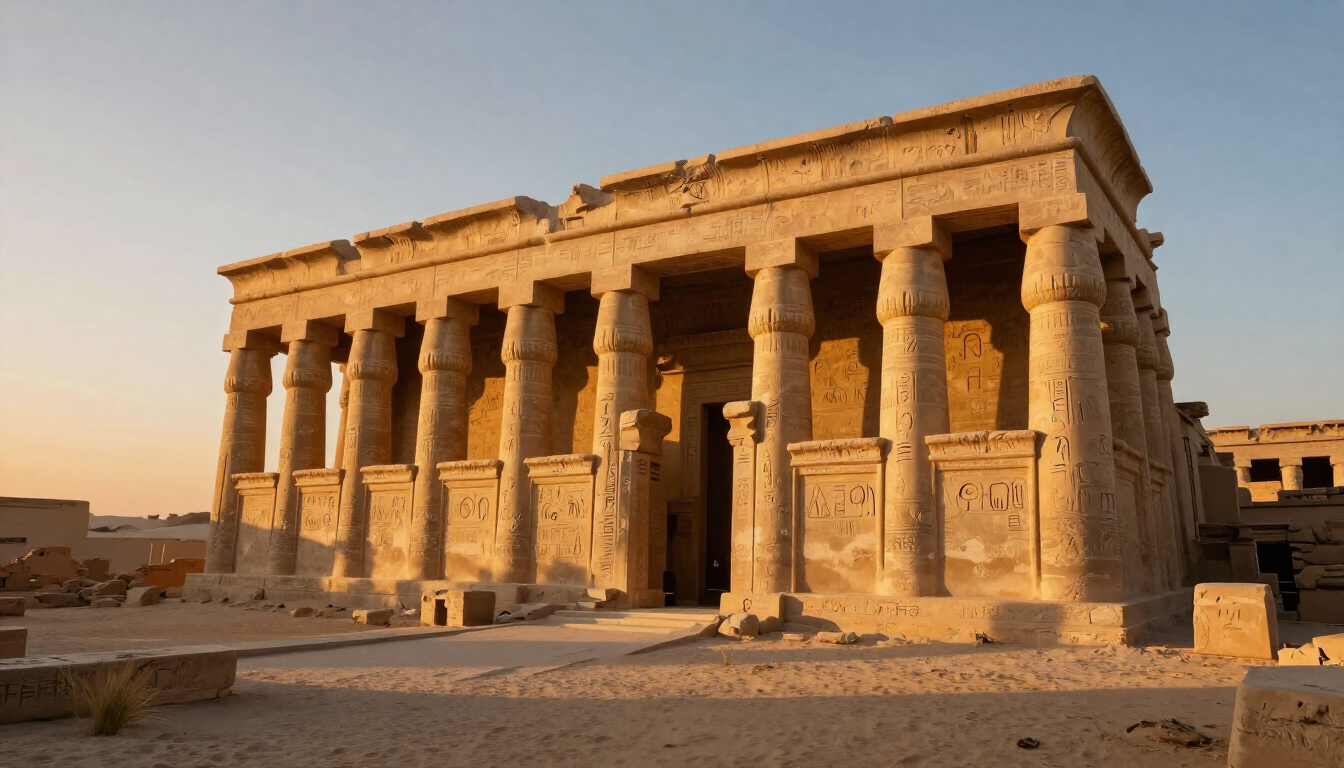
Ramesseum in Luxor, Ramses II’s ancient mortuary temple
By Red Rose Travel • November 21, 2026
Discover the Ramesseum in Luxor, Ramses II’s grand mortuary temple, its New Kingdom architecture, fallen colossus, and link to Shelley’s Ozymandias.
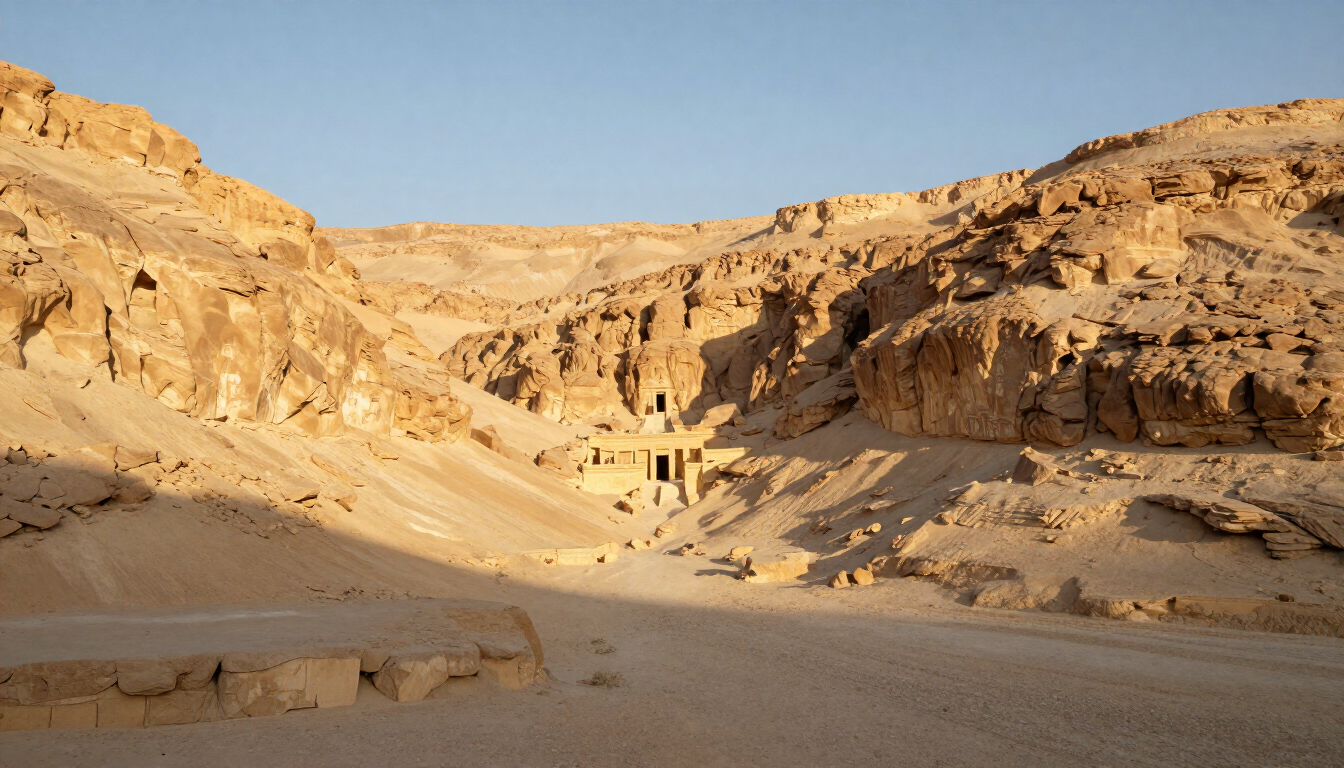
Valley of the Queens in Luxor, Egypt
By Red Rose Travel • November 21, 2026
Discover the Valley of the Queens in Luxor, its ancient name Place of Beauty, New Kingdom burials, Queen Nefertari, and why it matters today.
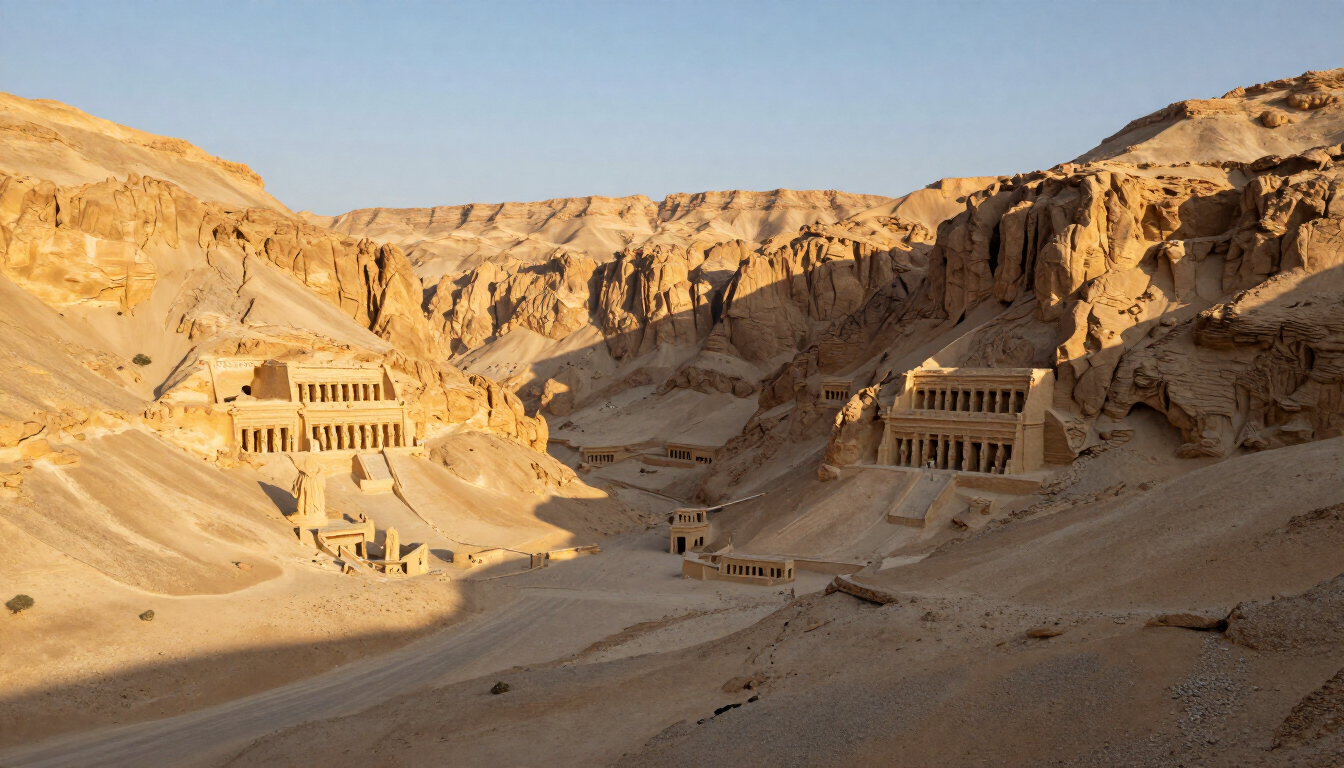
Valley of the Kings in Luxor with desert cliffs and ancient tomb entrances
By Red Rose Tours • November 21, 2026
Discover why the Valley of the Kings became Egypt’s royal burial ground, which famous pharaohs were buried there, and what makes its tombs so important.
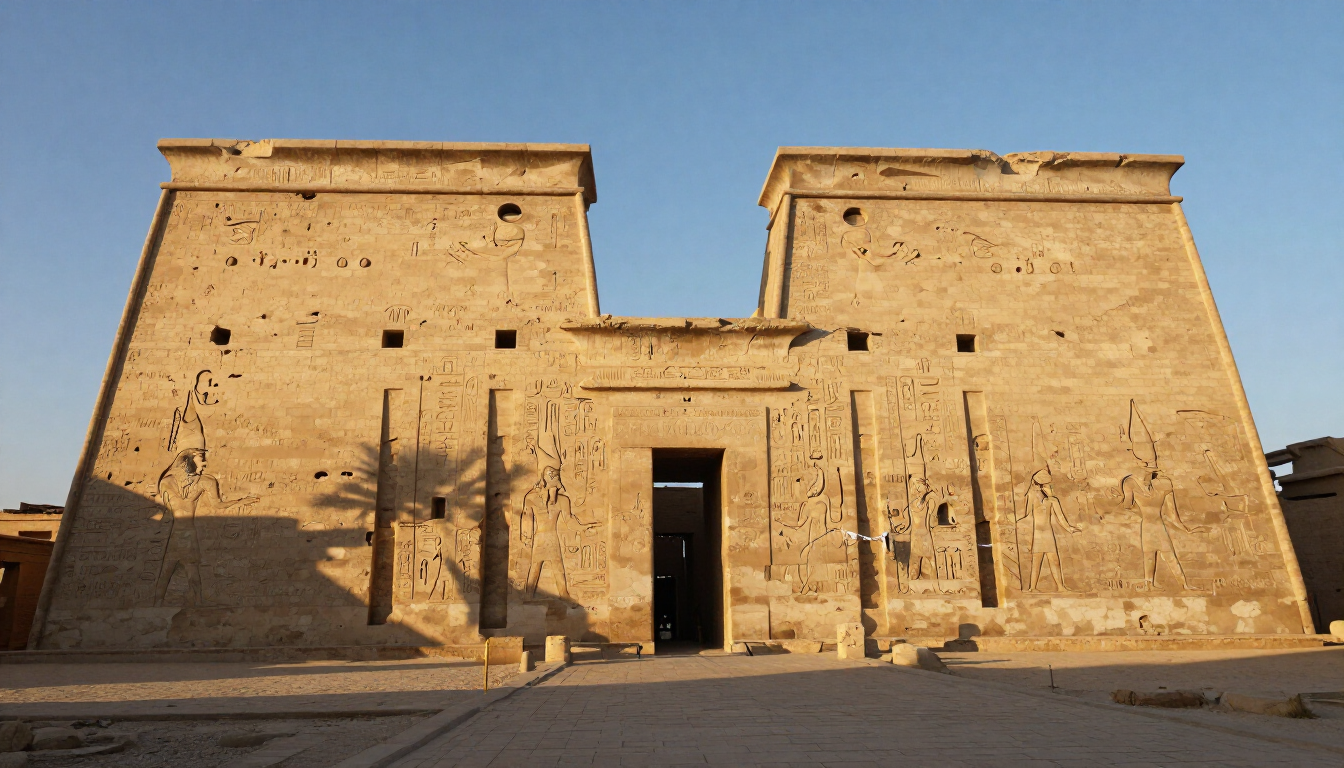
Medinet Habu temple in Luxor, Egypt
By Red Rose Travel • November 21, 2026
Discover Medinet Habu in Luxor, the mortuary temple of Ramses III, including its massive scale, fortified design, history, and remarkably preserved stonework.