
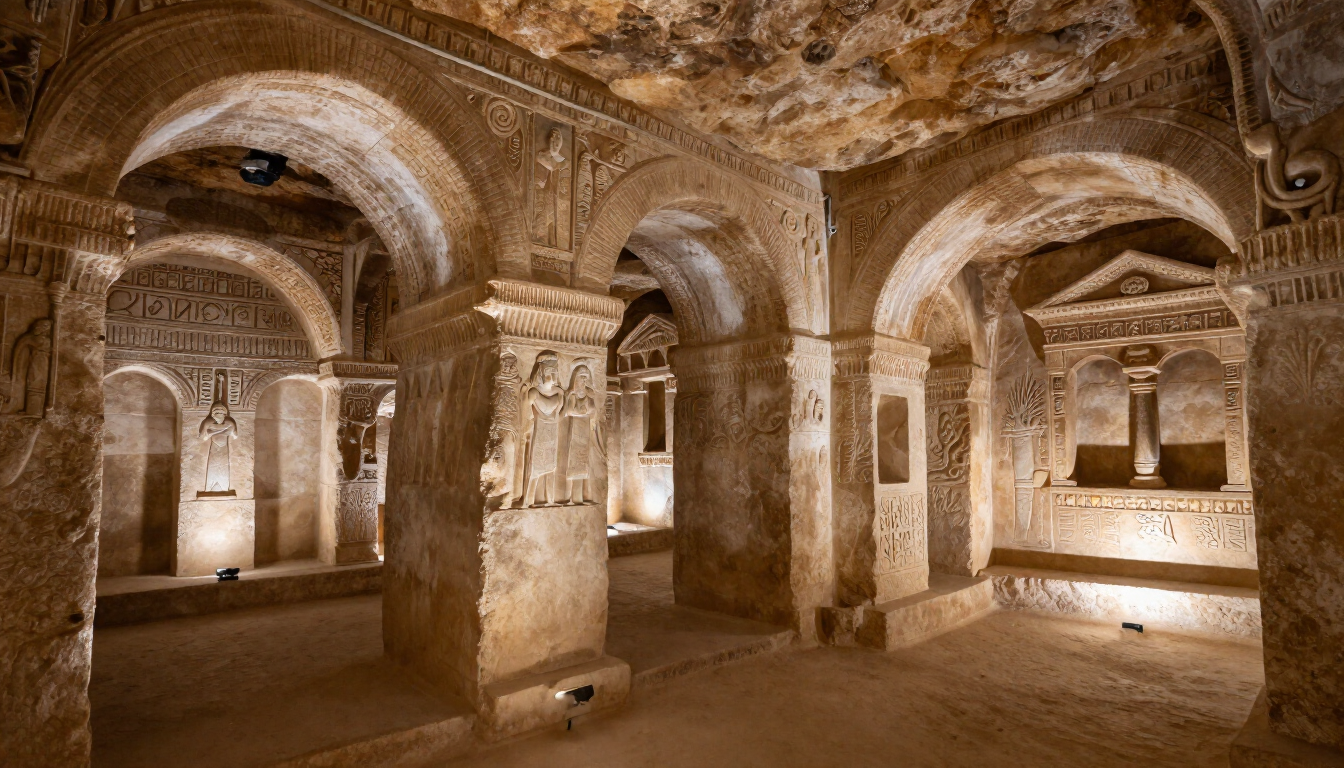
A Simple Guide to Abydos Temple in Egypt
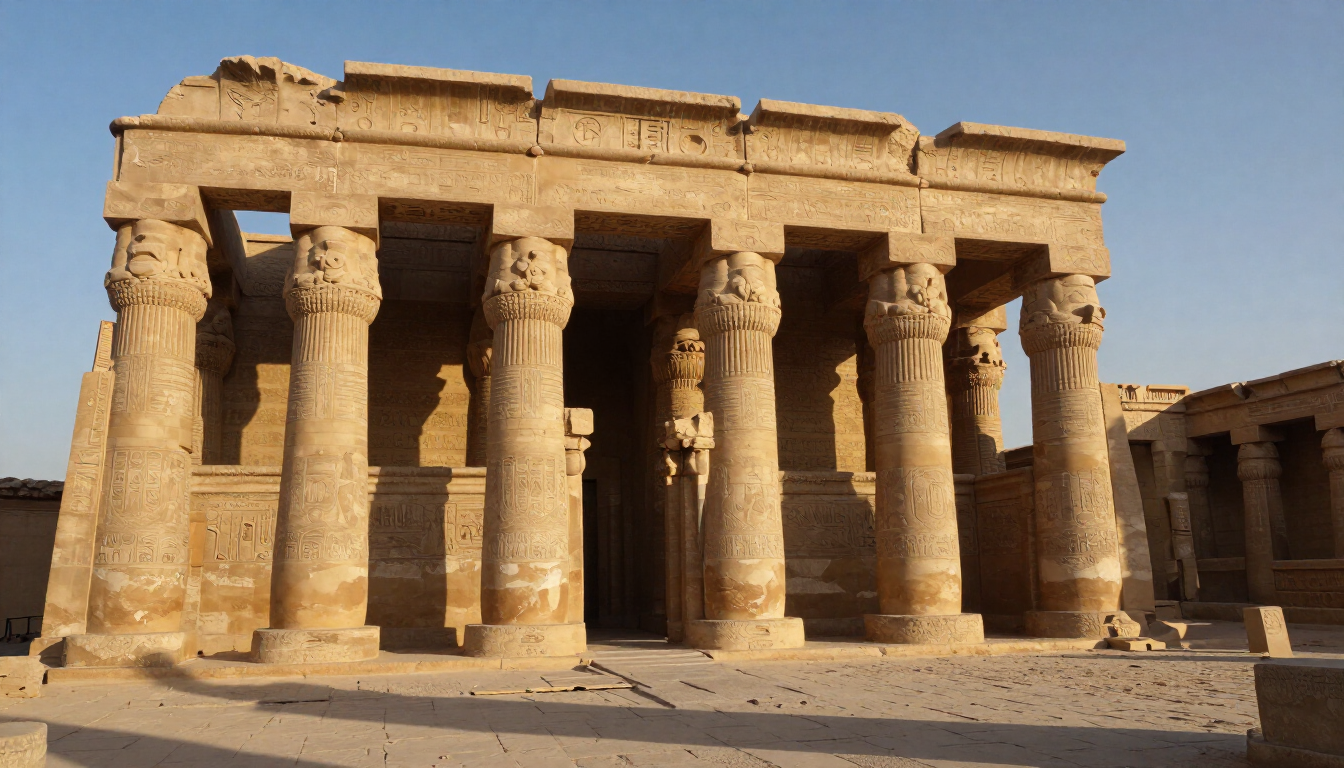
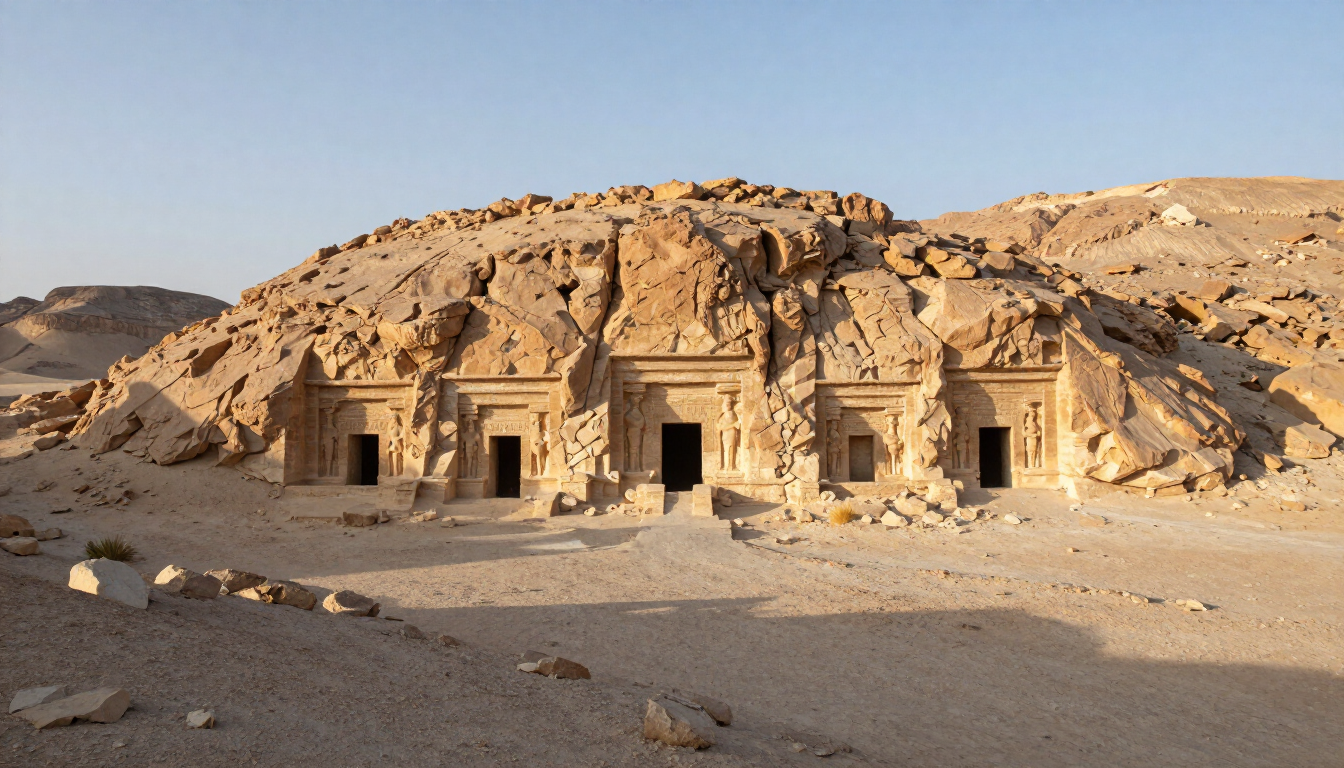
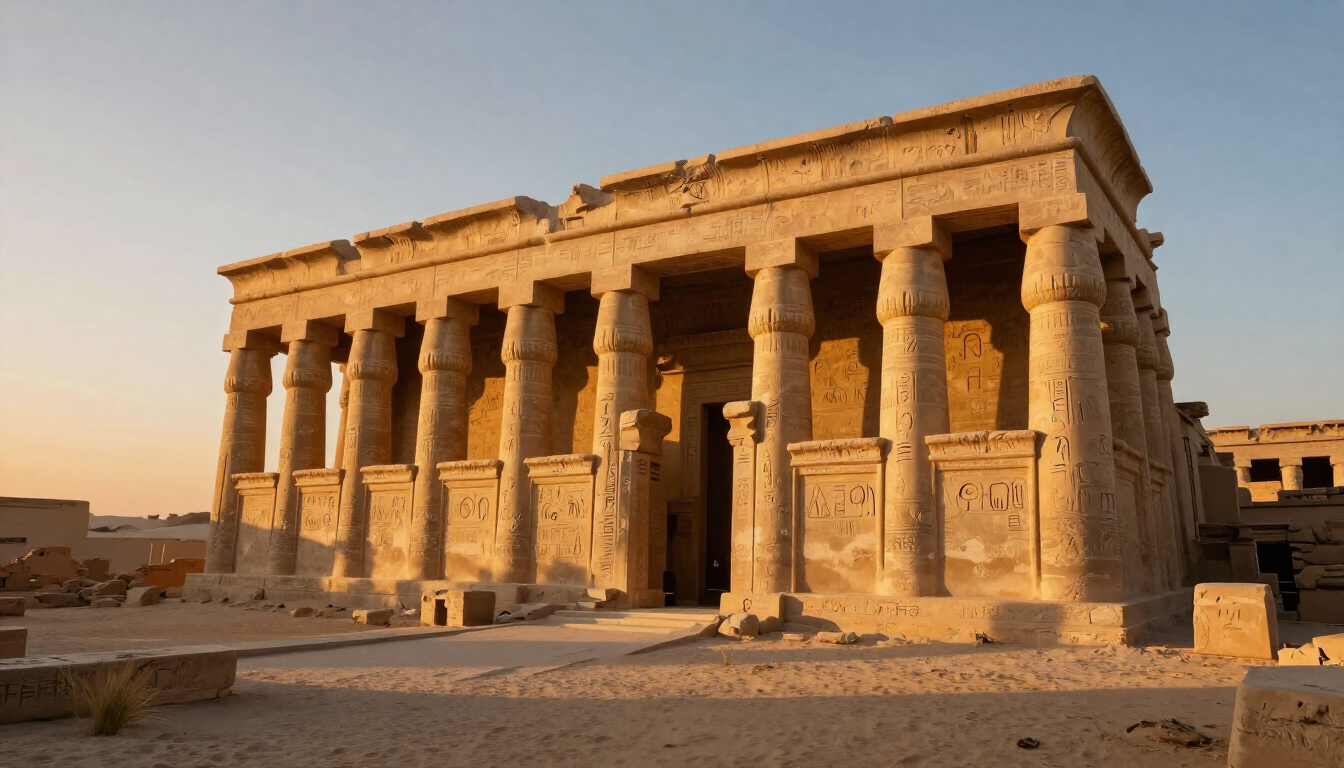
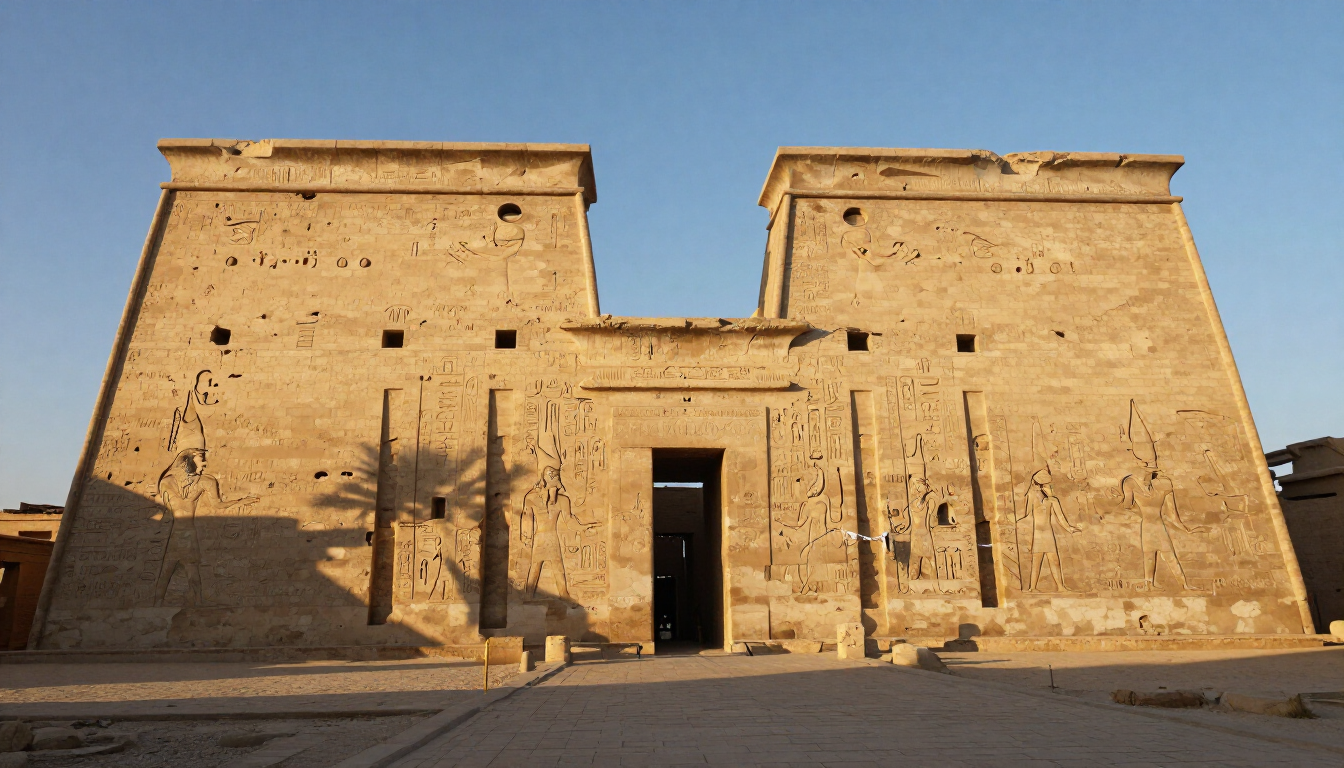
Abydos Temple, also called the Temple of Seti I, is an ancient Egyptian sanctuary in Sohag dedicated largely to Osiris, god of the afterlife. Built during the New Kingdom, it is famous for exceptionally detailed limestone reliefs, the Abydos King List, and the mysterious Osireion behind the temple.
Where is Abydos Temple?
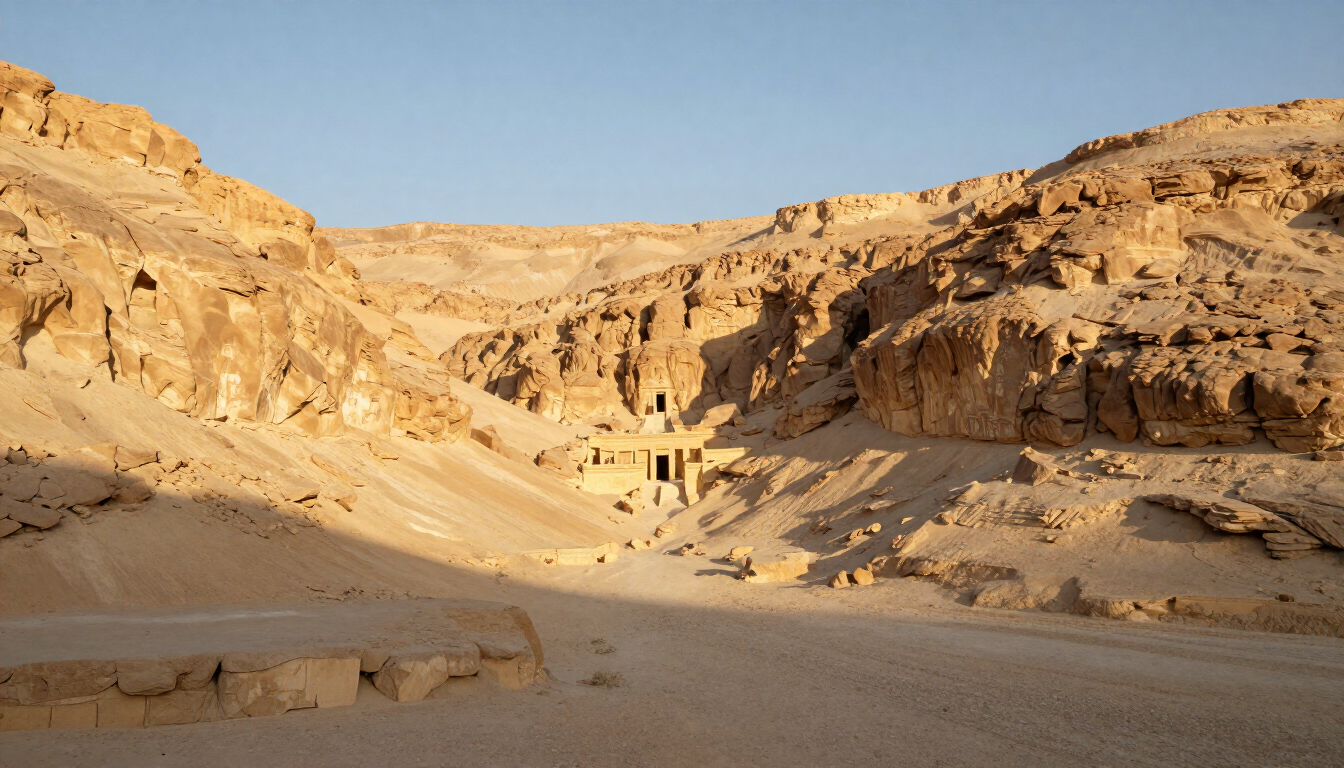
Abydos Temple stands near the modern town of El-Balyana in Sohag Governorate, Upper Egypt. It is far north of Luxor and is usually visited as part of a wider journey through Egypt’s ancient sites.
Abydos was one of Egypt’s most important religious centers. Ancient Egyptians connected the area with Osiris , the god who represented death, resurrection, and eternal life. Many people believed Abydos was linked to the burial place of Osiris, making it a major pilgrimage destination.
For broader trip planning, explore these Egypt Travel Packages or browse practical advice in Travel Tips .
Why was Abydos sacred to Osiris?
Abydos became sacred because of its strong association with Osiris. According to Egyptian mythology, Osiris was killed by his brother Seth and later restored by Isis. His story symbolized the renewal of life, which made Abydos especially important for funerary beliefs.
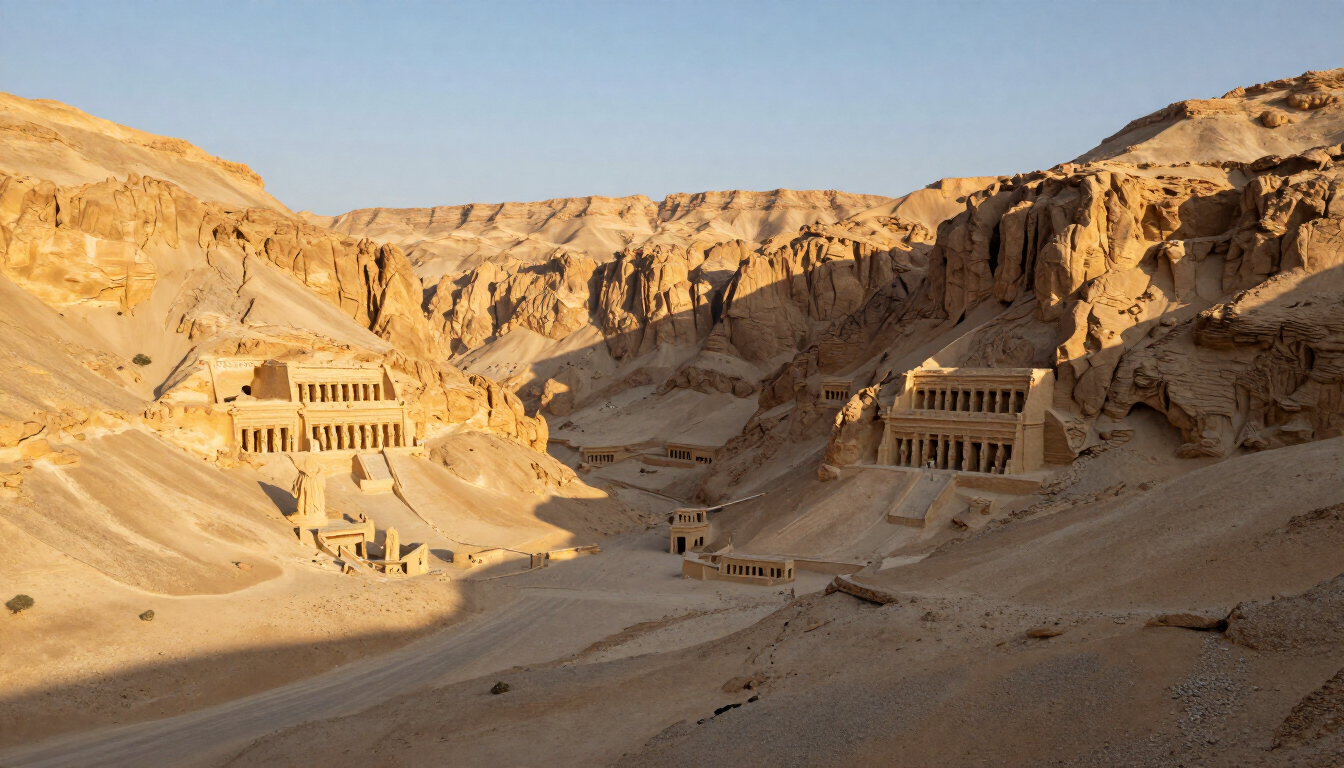
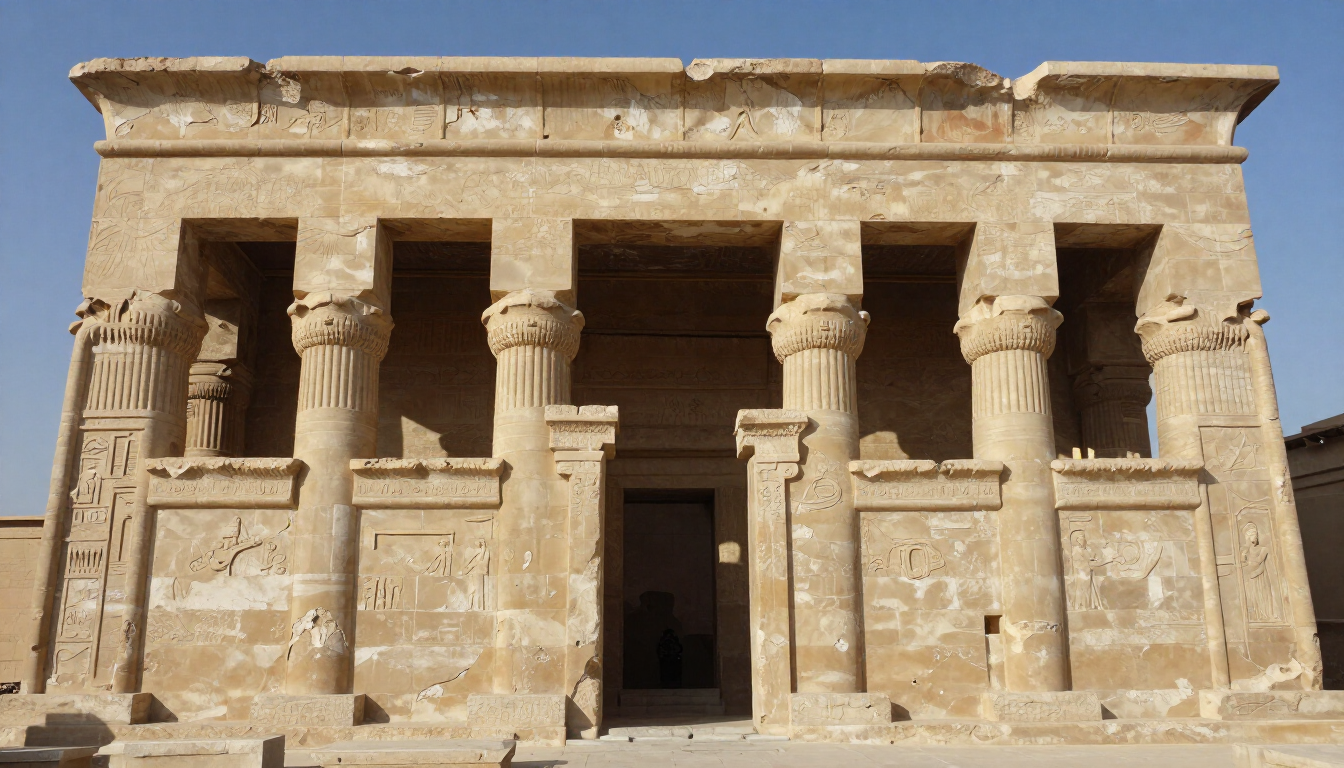
The temple was not simply a place for worship. It formed part of a larger sacred landscape that included processions, memorial ceremonies, and monuments built by several pharaohs. Seti I constructed his temple to honor major gods and Egypt’s royal ancestors while strengthening the connection between kingship and eternal life.
A temple built for several gods
Although Osiris is central to Abydos, the temple also honors:
- Isis, associated with motherhood and magic
- Horus, the falcon-headed god of kingship
- Amun-Ra, one of Egypt’s supreme deities
- Ptah, the creator god of Memphis
- Re-Horakhty, a solar form of Horus
This broad group of deities reflects the temple’s national religious importance.
What makes the reliefs at Abydos Temple special?
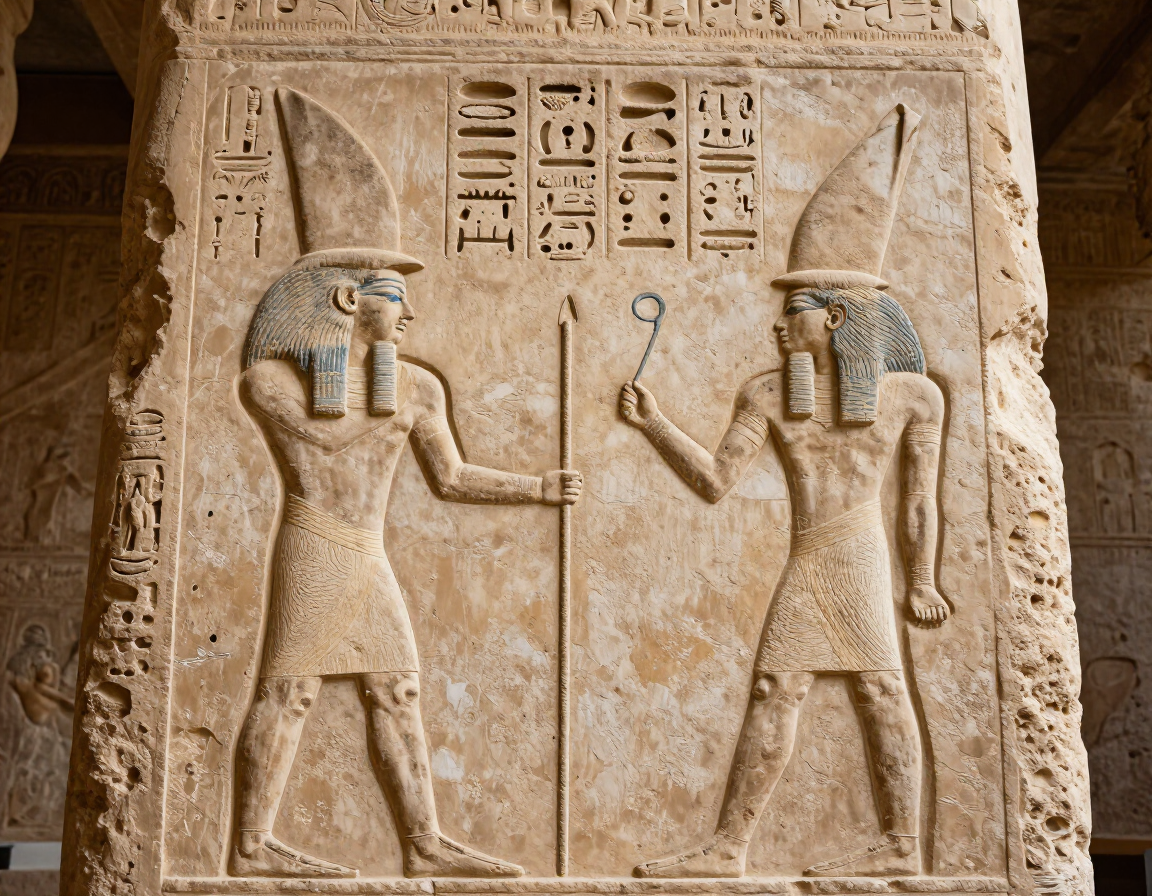
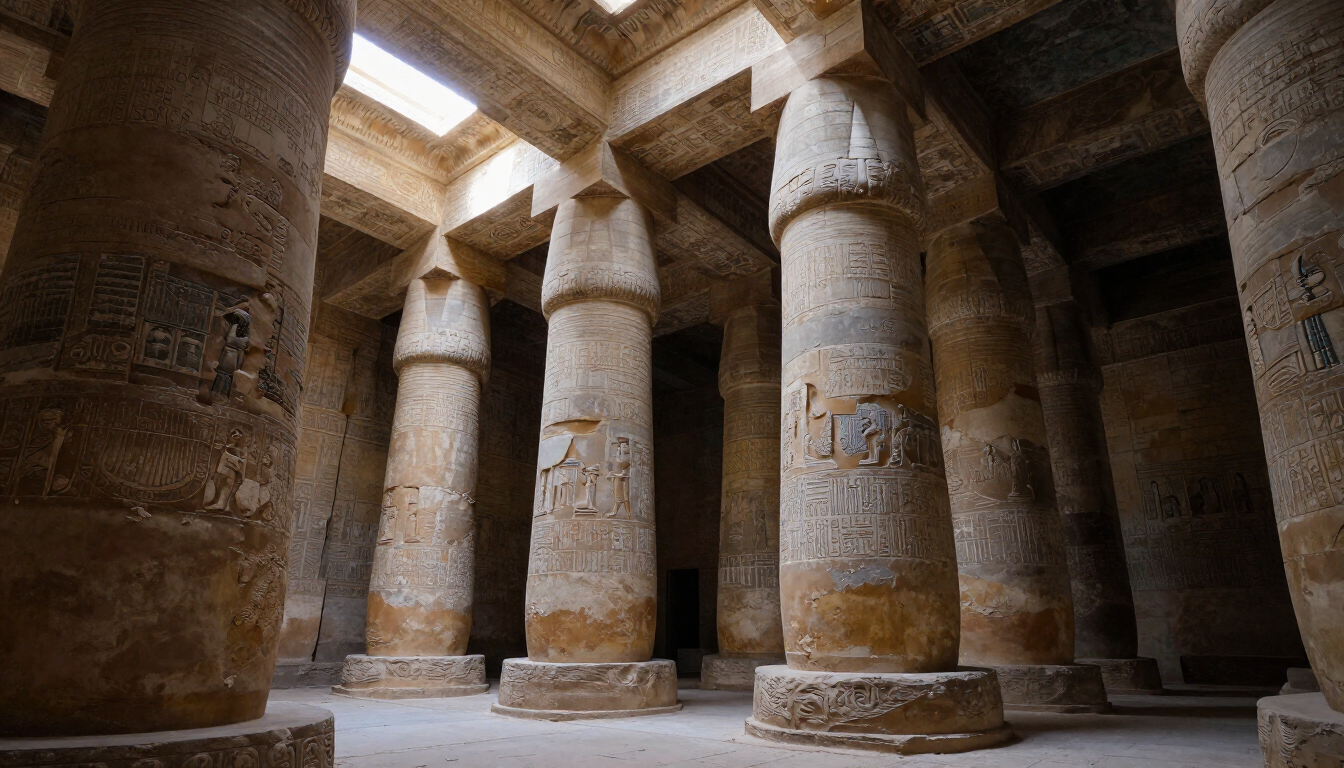
The limestone reliefs at the Temple of Seti I are among the finest surviving examples of New Kingdom art. Their figures are carefully proportioned, with smooth surfaces, precise outlines, and traces of the original color still visible in some areas.
Scenes show the king presenting offerings, performing rituals, and receiving protection from the gods. Unlike rougher or more hurried carvings found at some temples, many reliefs here have a refined, almost delicate appearance.
The quality of the decoration also reveals how important Seti I considered Abydos. The temple was designed to preserve his religious legacy long after his death.
What is the Abydos King List?
The Abydos King List is a carved record of 76 Egyptian rulers. It appears on a wall in the temple and presents a sequence of kings from earlier dynasties through Seti I’s reign.
It is valuable because it shows how ancient Egyptians remembered and organized their royal history. However, it is not a complete modern-style historical list. Some rulers were omitted because they were considered illegitimate, politically unacceptable, or connected with periods Egypt’s later kings preferred to ignore.
The list is therefore both a historical source and a statement of royal identity. Seti I presents himself as part of a continuous line of rightful rulers.
What is the Osireion?
The Osireion is a mysterious underground structure located behind the Temple of Seti I. It is associated with Osiris and has a distinctive design, including massive stone blocks, a central island-like platform, and channels that may have held water.
Its exact purpose remains debated. It may have served as a symbolic tomb or ceremonial monument connected with Osiris’s death and renewal. Some parts appear older than Seti I’s temple, while other evidence links the complex to the same royal building program.
Key facts to remember
- Abydos Temple is in Sohag, Upper Egypt.
- Seti I built the main temple during the New Kingdom.
- Its religious focus is strongly connected with Osiris.
- The Abydos King List names 76 rulers.
- The Osireion remains one of the site’s most intriguing monuments.
Final takeaway
Abydos Temple is one of Egypt’s most important sites for understanding religion, kingship, and artistic achievement. Its connection with Osiris explains why the area became sacred, while its detailed reliefs show the skill of New Kingdom craftsmen. The Abydos King List offers insight into how Egyptians viewed their royal past, and the Osireion adds an enduring architectural mystery. If you are comparing Egypt’s ancient destinations, place Abydos alongside the major sites in a classic Egypt tour , then evaluate which historical themes matter most to your journey.