

A Quick Visitor Guide to Dendera Temple Complex

Red Rose Travel • November 22, 2026

Share this article

The Dendera Temple Complex is an ancient religious site near Qena, Egypt, dedicated mainly to Hathor, goddess of love, music, motherhood, and joy. Built and decorated during the Greco-Roman period, it is famous for its colorful ceilings, detailed reliefs, and the celebrated astronomical zodiac.

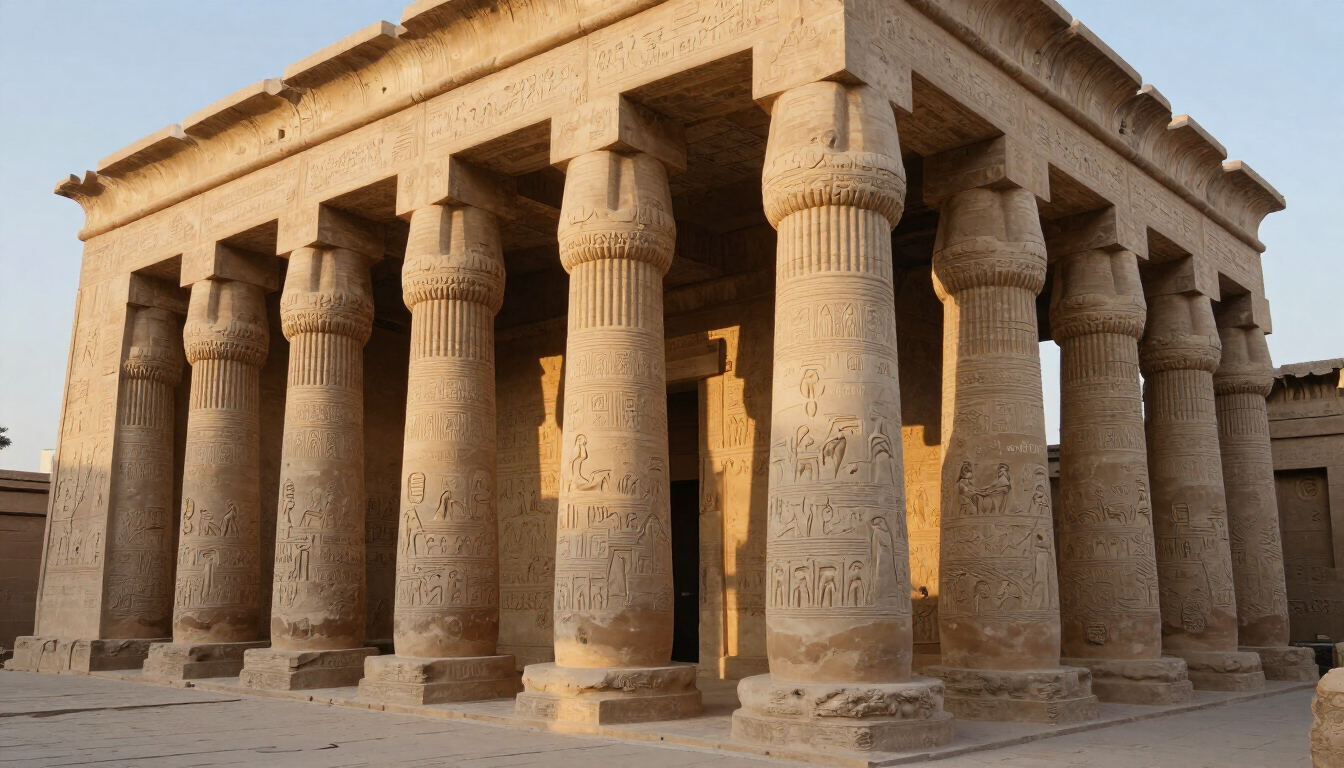
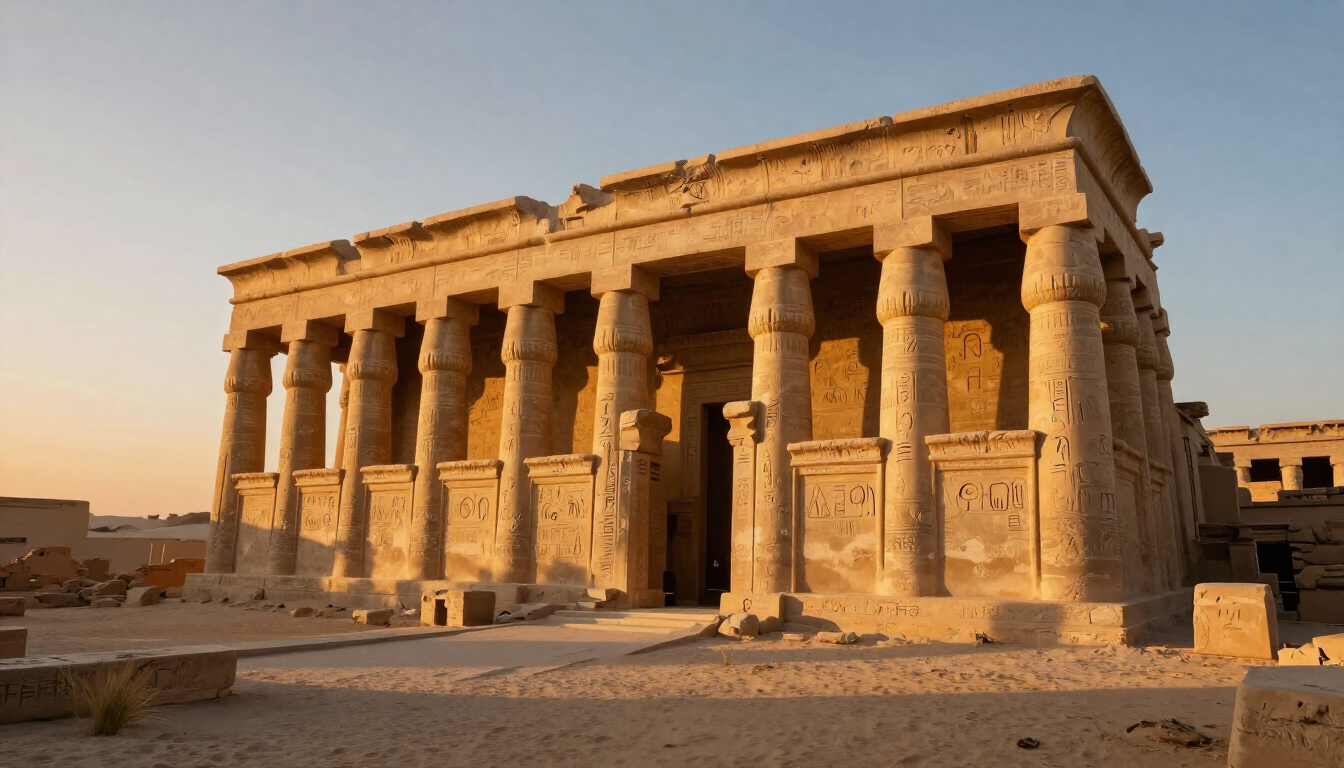
Photorealistic view of Dendera Temple columns and reliefs

Where is the Dendera Temple Complex?

The Dendera Temple Complex stands on the west bank of the Nile, about 60 kilometers north of Luxor and close to the modern city of Qena. Its location makes it a valuable cultural addition to an Egypt itinerary, especially for travelers interested in temples beyond the most famous sites.

The complex includes several structures, but the Temple of Hathor is the best preserved and most visited. The surrounding sacred area also contains remains from different periods, showing how important Dendera remained across centuries.

Who was Hathor, and why was the temple built?

Hathor was one of ancient Egypt’s most widely worshipped goddesses. She was associated with:

  • Love, beauty, music, and dance
  • Motherhood, fertility, and protection
  • The sky, the sun, and the afterlife
  • Joy, celebration, and welcoming travelers

The temple was a place for worship, festivals, religious ceremonies, and offerings. Hathor is often shown with cow ears, a woman’s face, or a sun disk between cow horns. These symbols appear throughout the temple’s columns and wall carvings.

What makes its Greco-Roman architecture distinctive?

Most of the surviving Temple of Hathor was constructed and decorated between the first century BCE and the second century CE, under rulers including Ptolemy XII and Roman emperors. Although the rulers were Greek or Roman, the temple follows traditional Egyptian religious design.

Visitors can recognize classic features such as:

  • A monumental entrance and broad courtyard
  • Huge columns with Hathor-faced capitals
  • Hypostyle halls with richly decorated ceilings
  • Inner sanctuaries used for sacred rituals
  • Detailed hieroglyphic inscriptions and royal reliefs

This mixture makes Dendera especially interesting. It shows how Egyptian religious traditions continued while foreign rulers governed the country.

Why are Dendera’s colorful ceilings so important?

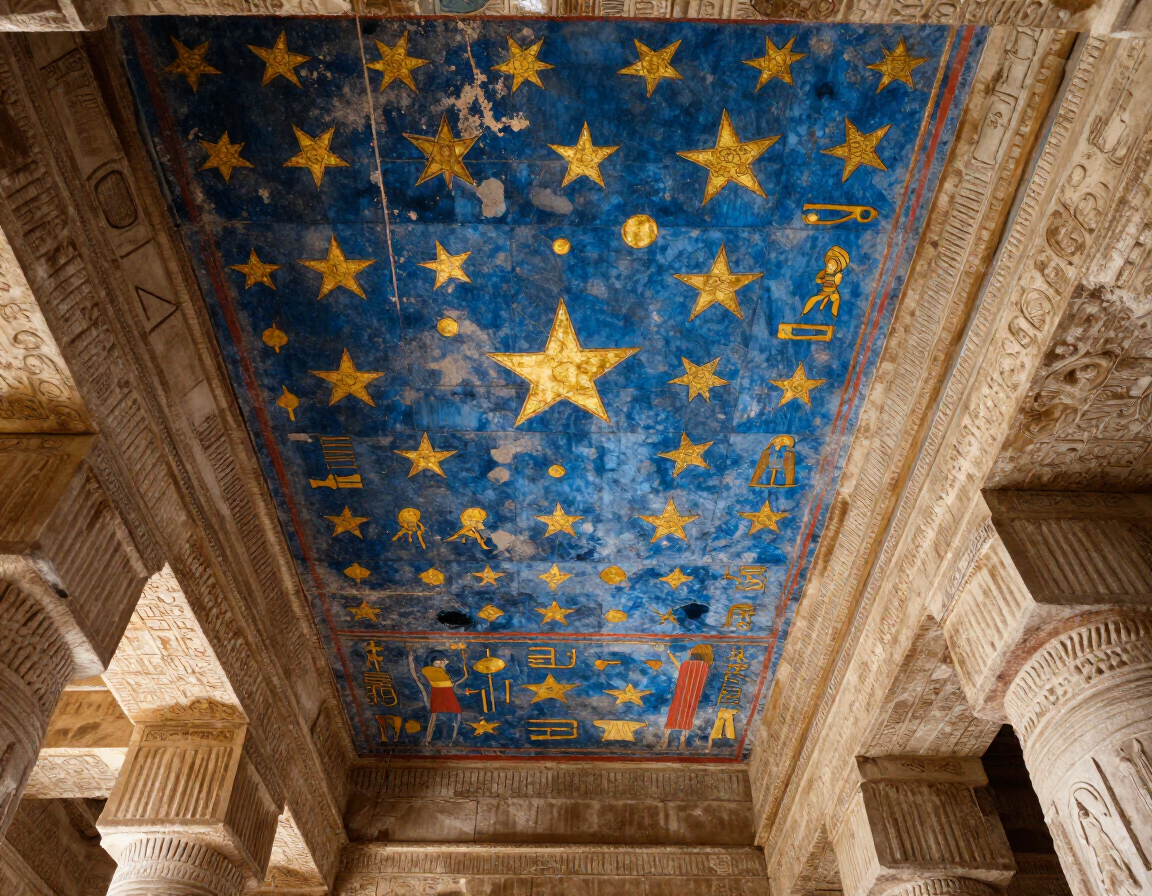
Dendera is known for unusually well-preserved color. Many ancient Egyptian monuments lost their original pigments through weather, smoke, water, and time, but the temple’s protected interior surfaces retained striking shades of blue, red, yellow, green, and black.

The ceilings are decorated with stars, winged figures, solar symbols, and images connected with the heavens. Their colors help visitors imagine how vivid Egyptian temples looked when they were newly completed—not simply pale stone buildings, but brilliant ceremonial spaces.

Photorealistic detail of colorful astronomical ceiling decorations inside Dendera Temple

What is the Dendera Zodiac?

The Dendera Zodiac is a famous astronomical relief that once decorated the ceiling of a chapel dedicated to Osiris. It presents the sky as a circular design, combining Egyptian religious imagery with zodiac signs and planetary symbols.

The relief reflects the cultural exchange of the Greco-Roman period. Alongside Egyptian deities, it includes signs recognizable from classical astrology, such as the zodiac belt and constellations. The original is now preserved in the Louvre Museum in Paris, while a copy remains at Dendera.

The zodiac is important because it illustrates how ancient Egyptians observed the heavens and connected astronomy with religion, time, kingship, and the cycle of life.

How does Dendera compare with other Egyptian temples?

Dendera differs from many major Nile Valley temples because its decoration and colors are exceptionally well preserved. Its Hathor imagery also gives the site a softer, more musical, and more celestial character than temples focused mainly on warlike kingship or funerary beliefs.

Travelers planning broader cultural exploration can compare it with destinations included in Luxor day tours , Egypt Nile Cruise Tour Packages , or a tailored itinerary through Egypt travel packages .

Key takeaways

The Dendera Temple Complex is one of Egypt’s most rewarding ancient sites for understanding religion, art, and astronomy. Dedicated mainly to Hathor, it preserves vivid ceilings, symbolic reliefs, and impressive Greco-Roman architecture. Its zodiac offers a memorable example of Egyptian and classical ideas meeting in one sacred place. Add Dendera to your plans if you want to look beyond the standard pyramids and discover a temple where color, mythology, astronomy, and history remain closely connected.

Recent Posts

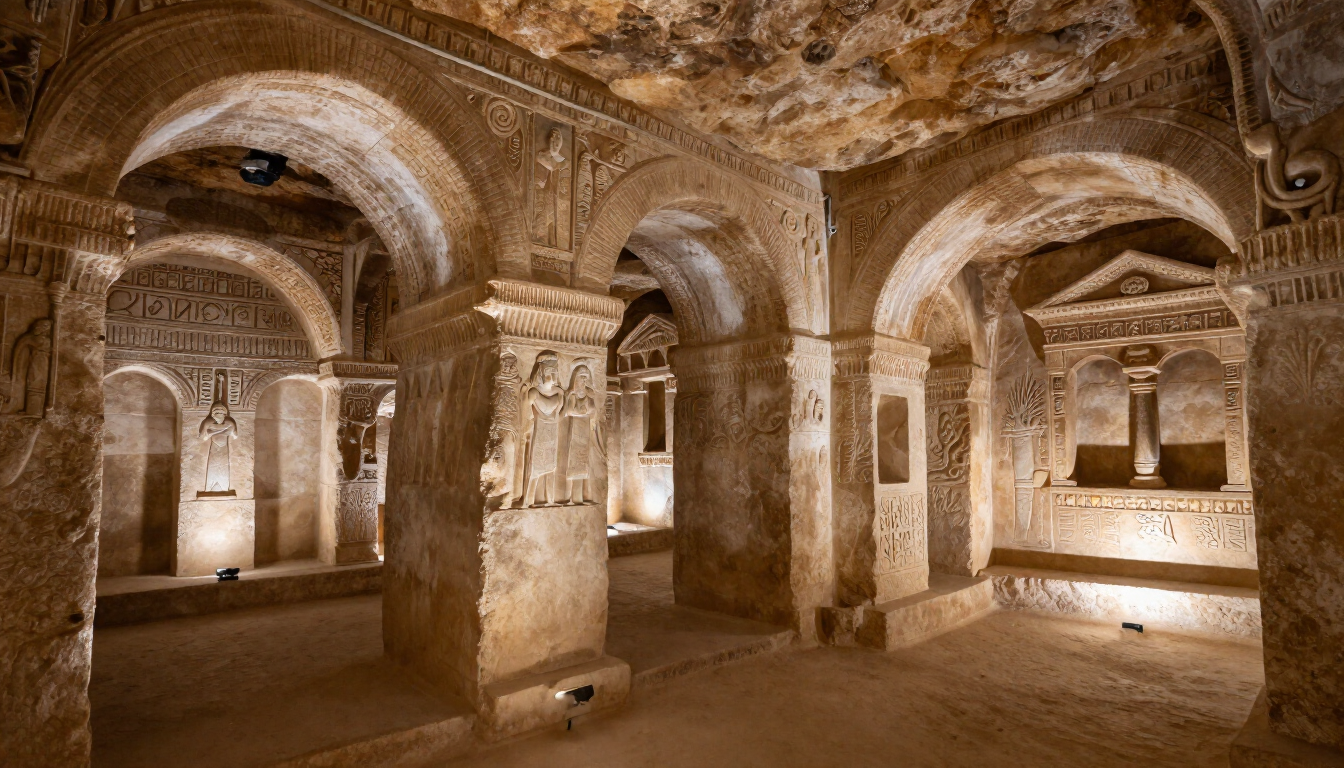
Catacombs of Kom El Shoqafa underground burial chambers in Alexandria, Egypt
By Red Rose Travel • November 22, 2026
Explore the Catacombs of Kom El Shoqafa in Alexandria, Egypt, the country’s largest known Roman burial site and a striking blend of Egyptian, Greek, and Roman art.
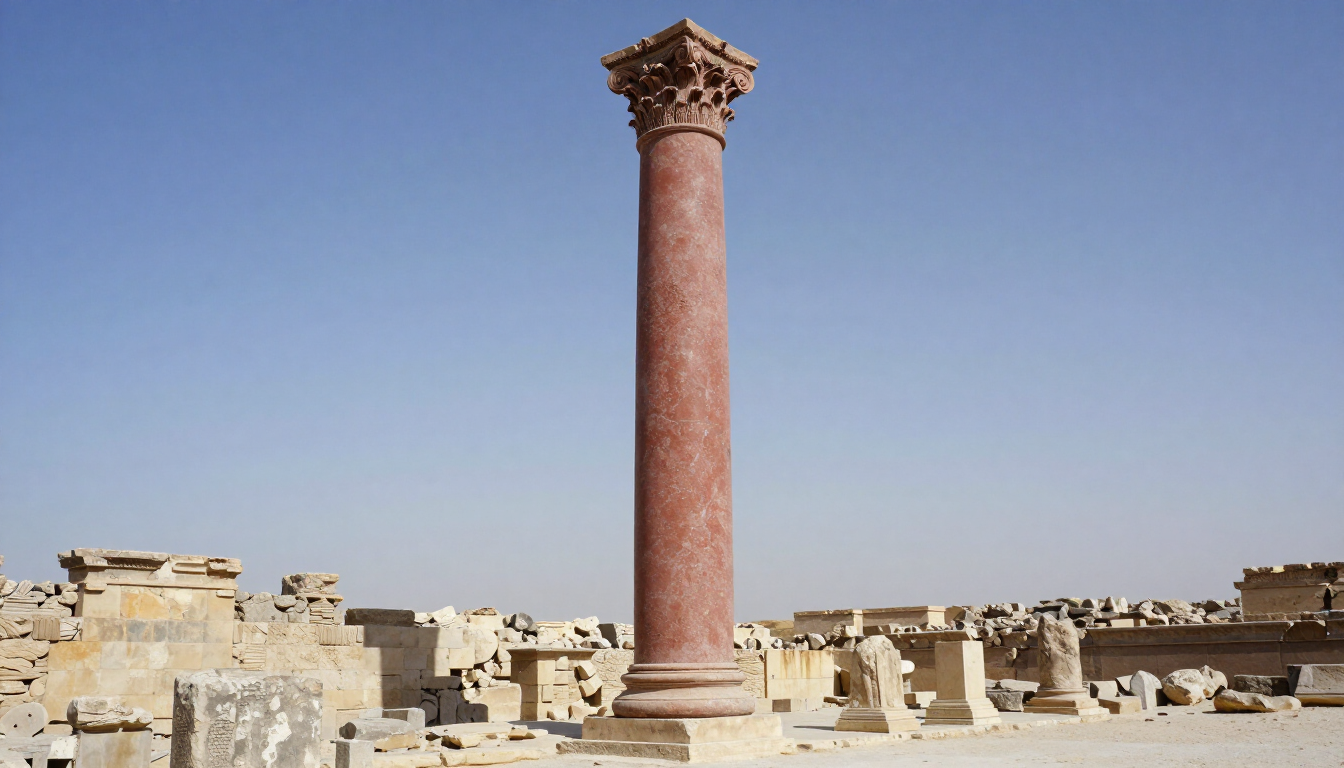
Pompey’s Pillar in Alexandria, Egypt, a red granite Roman column
By Red Rose Travel • November 22, 2026
Learn why Pompey’s Pillar is Egypt’s tallest ancient Roman triumphal column, how it was built from red Aswan granite, and what remains of Alexandria’s Serapeum.
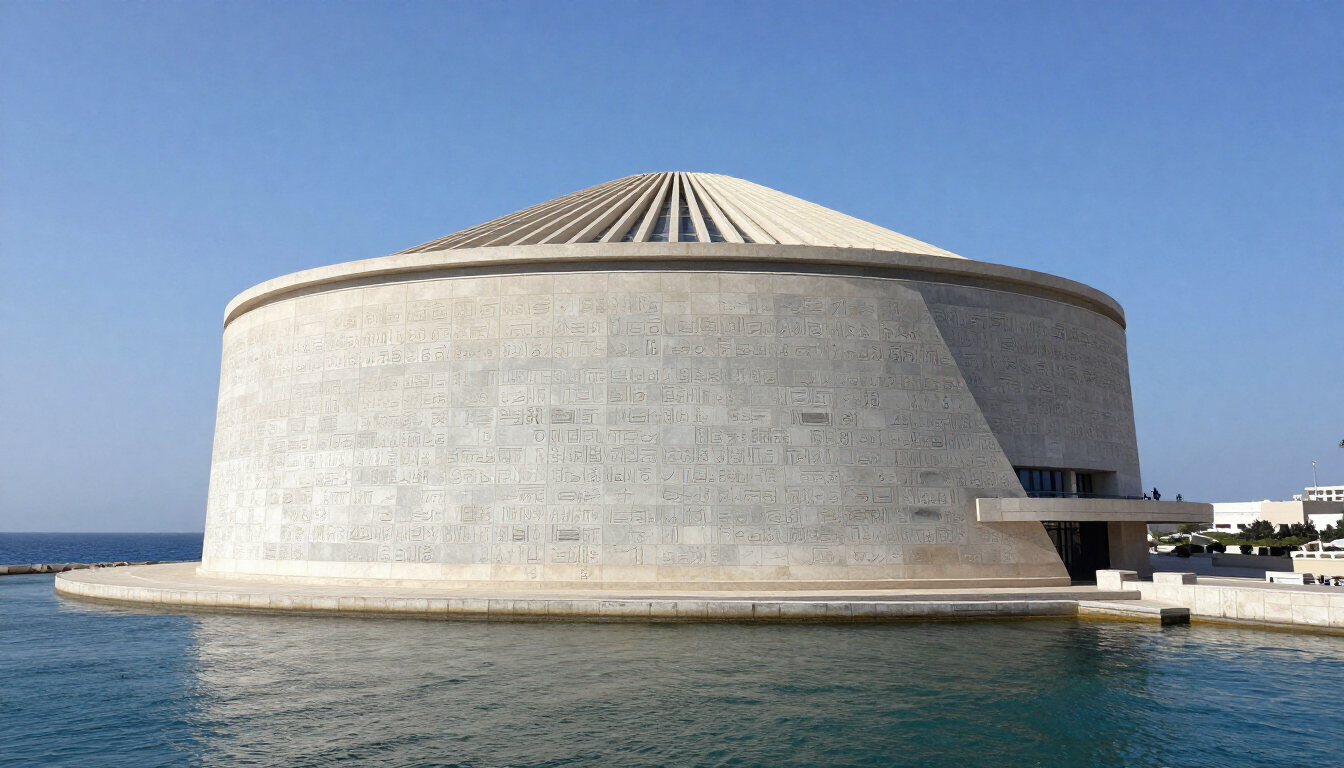
Bibliotheca Alexandrina in Alexandria, Egypt beside the Mediterranean Sea
By Red Rose Travel • November 22, 2026
Discover the Bibliotheca Alexandrina in Alexandria, Egypt—its ancient inspiration, sun-disc design, granite wall, and role as a modern cultural center.
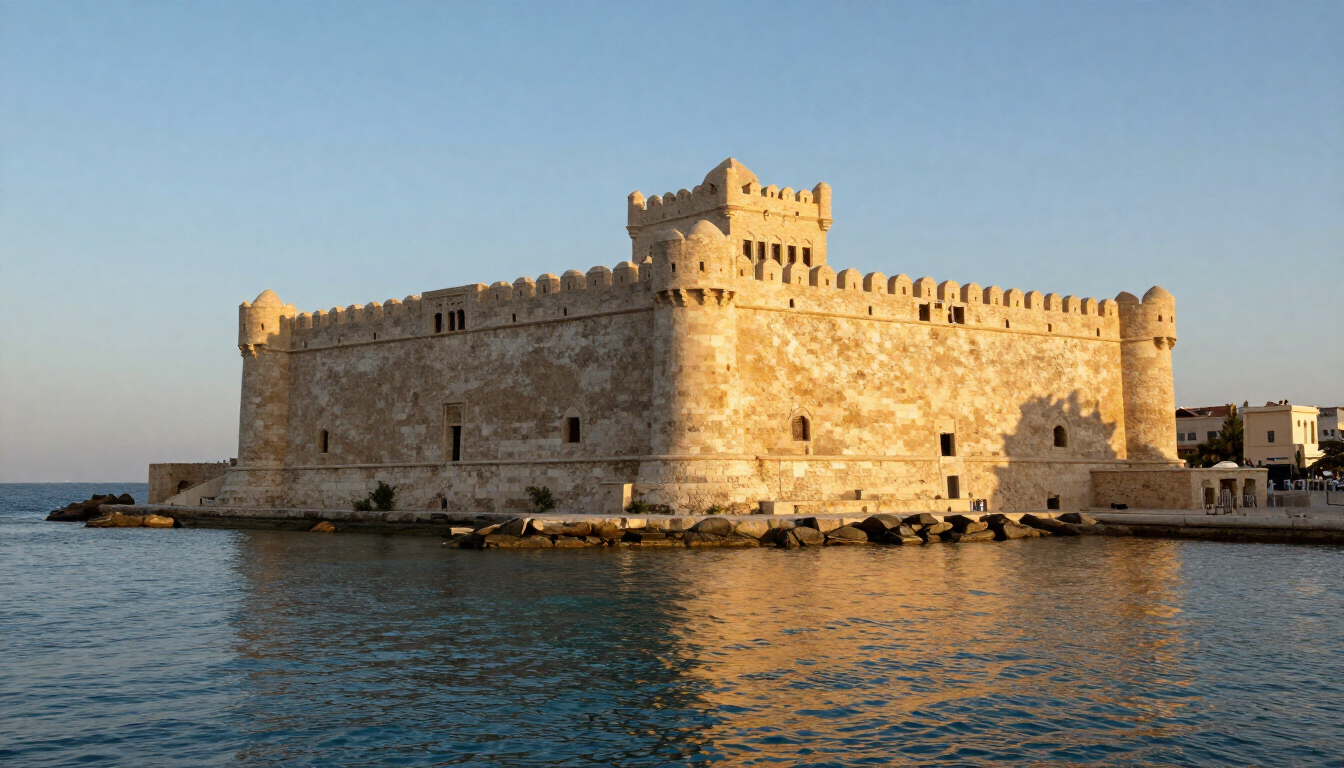
Citadel of Qaitbay in Alexandria, Egypt
By Red Rose Tours • November 22, 2026
Discover the Citadel of Qaitbay in Alexandria, including its 15th-century Mamluk history, coastal defense role, and connection to the ancient Lighthouse of Alexandria.
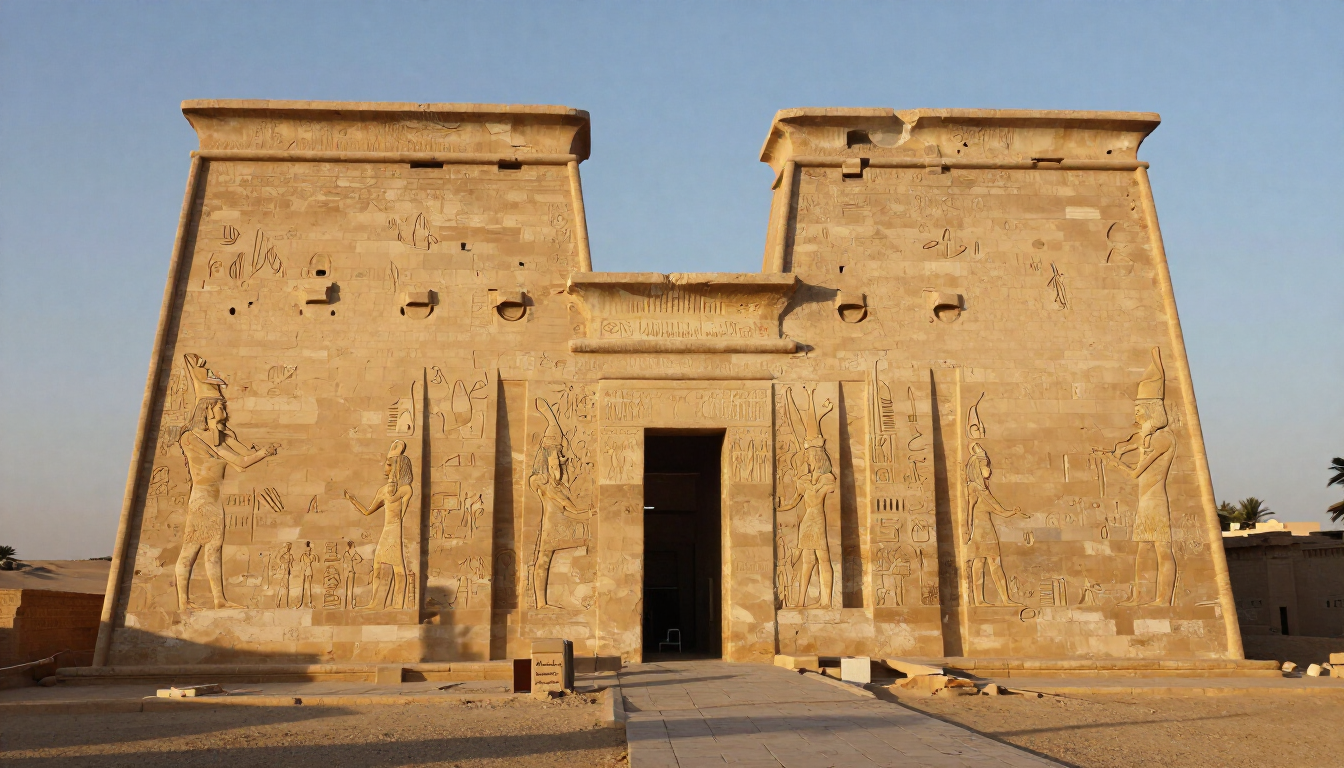
Abydos Temple of Seti I in Sohag, Egypt
By Red Rose Travel • November 22, 2026
Discover Abydos Temple in Sohag, Egypt: its sacred link to Osiris, fine limestone reliefs, the Abydos King List, and the mysterious Osireion.
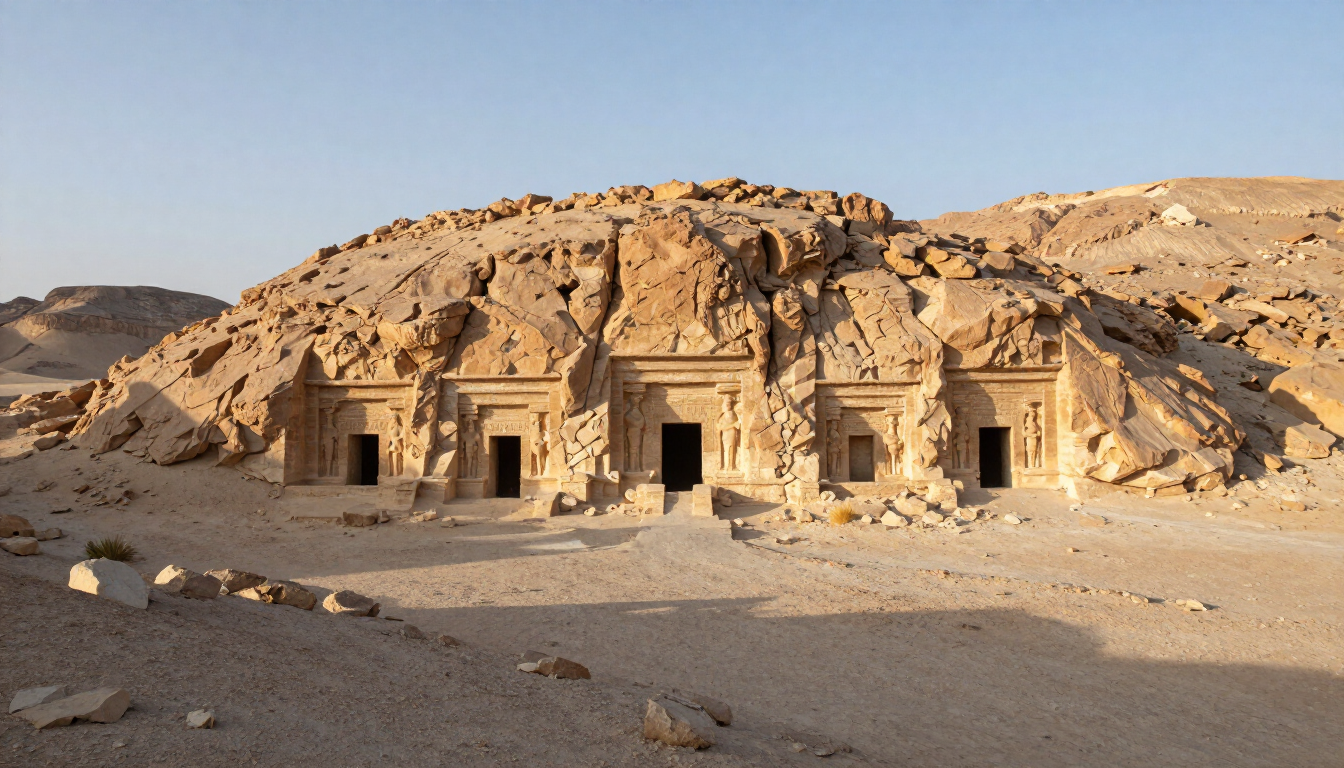
Tombs of the Nobles in Luxor
By Red Rose Travel • November 21, 2026
Discover how the Tombs of the Nobles in Luxor preserve the lives, work, beliefs, and daily routines of ancient Egyptian officials, priests, and governors.
Ramesseum in Luxor, Ramses II’s ancient mortuary temple
By Red Rose Travel • November 21, 2026
Discover the Ramesseum in Luxor, Ramses II’s grand mortuary temple, its New Kingdom architecture, fallen colossus, and link to Shelley’s Ozymandias.
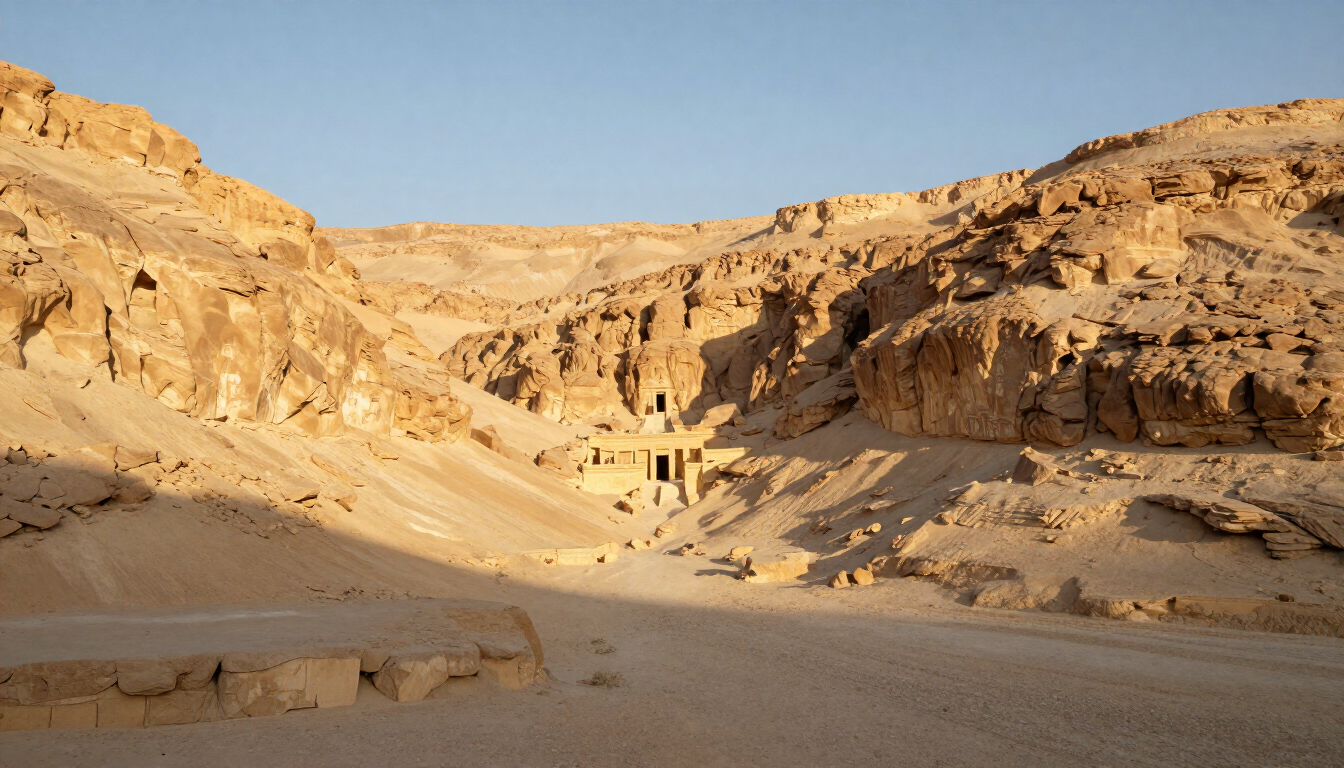
Valley of the Queens in Luxor, Egypt
By Red Rose Travel • November 21, 2026
Discover the Valley of the Queens in Luxor, its ancient name Place of Beauty, New Kingdom burials, Queen Nefertari, and why it matters today.
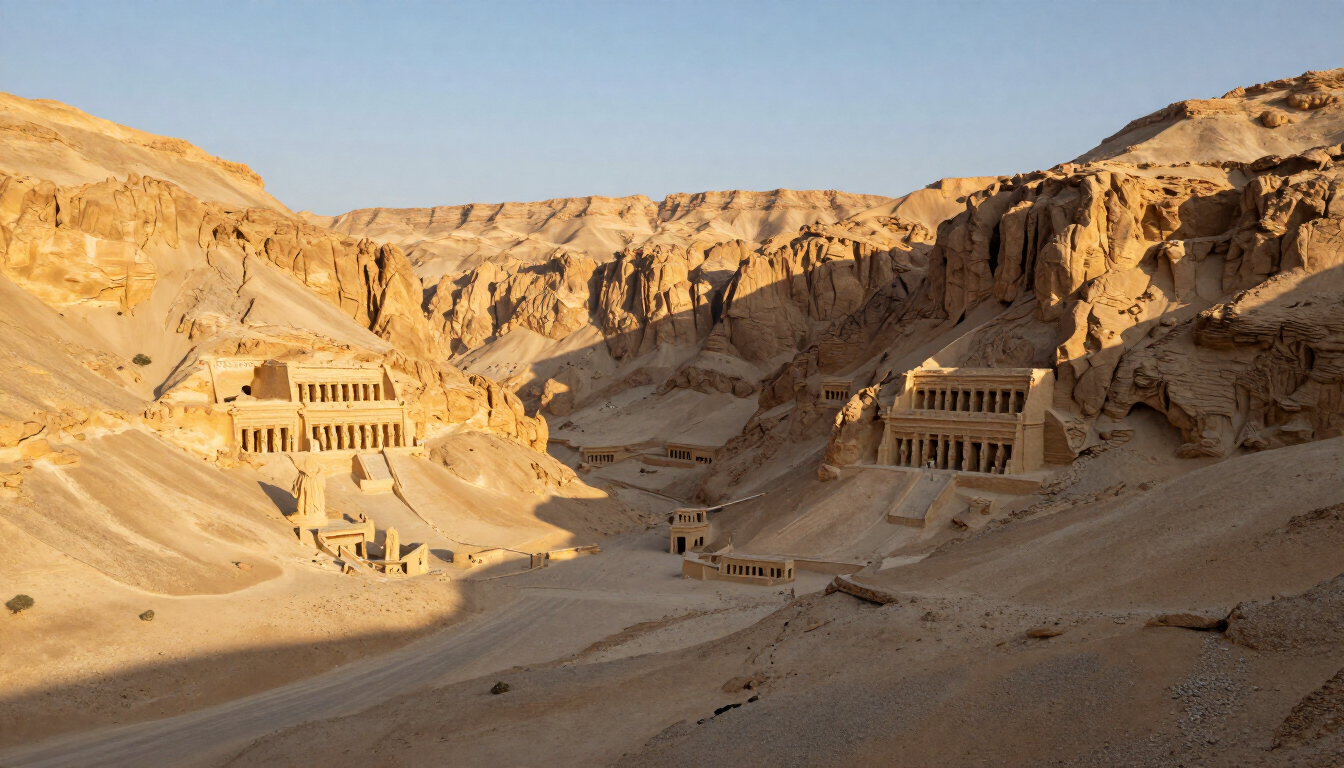
Valley of the Kings in Luxor with desert cliffs and ancient tomb entrances
By Red Rose Tours • November 21, 2026
Discover why the Valley of the Kings became Egypt’s royal burial ground, which famous pharaohs were buried there, and what makes its tombs so important.
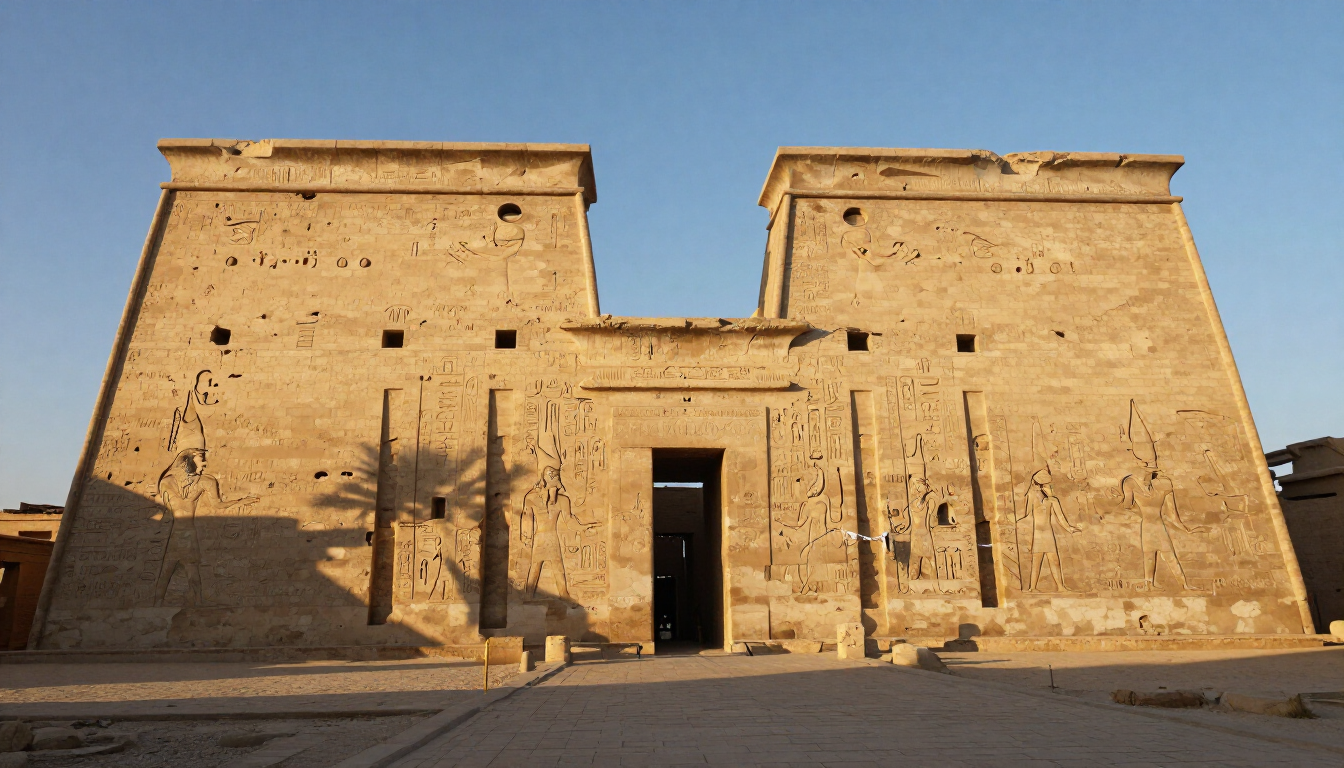
Medinet Habu temple in Luxor, Egypt
By Red Rose Travel • November 21, 2026
Discover Medinet Habu in Luxor, the mortuary temple of Ramses III, including its massive scale, fortified design, history, and remarkably preserved stonework.