
Valley of the Kings: A Quick Guide to Egypt’s Royal Tombs
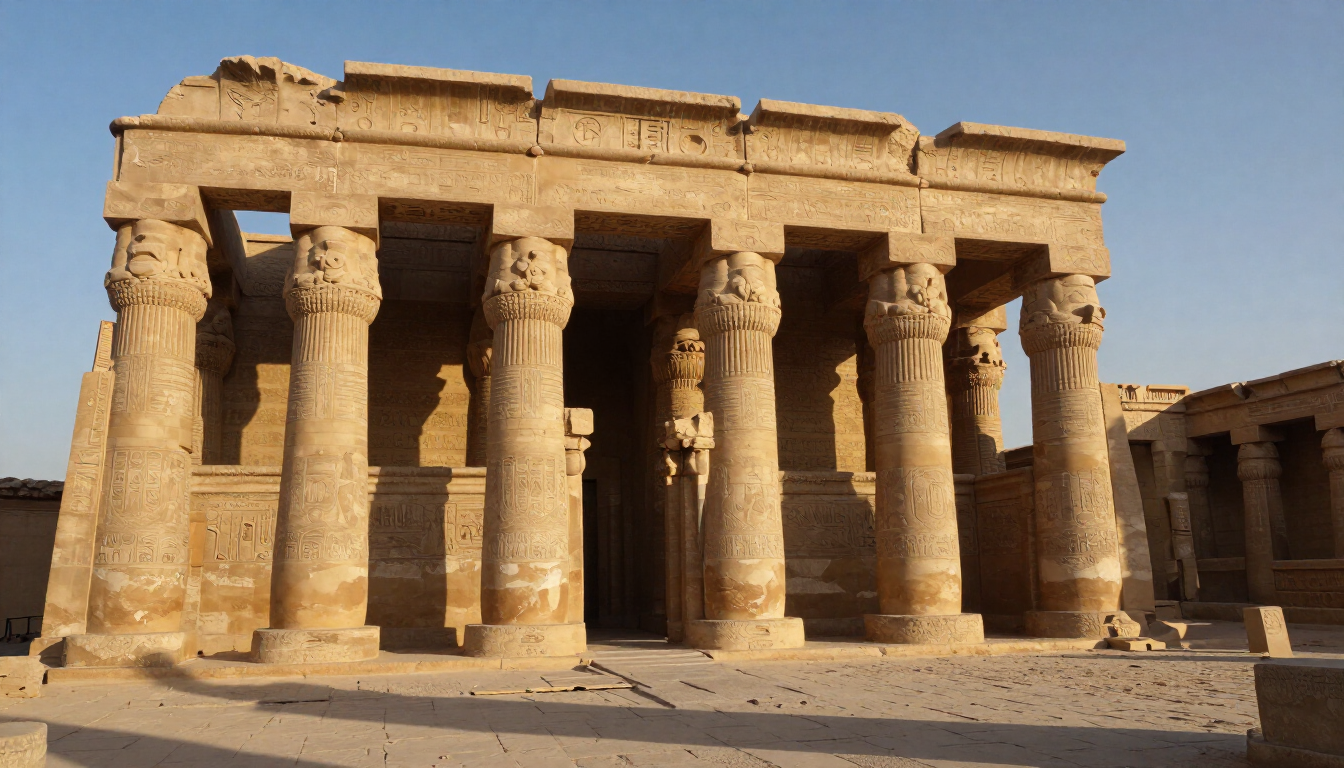
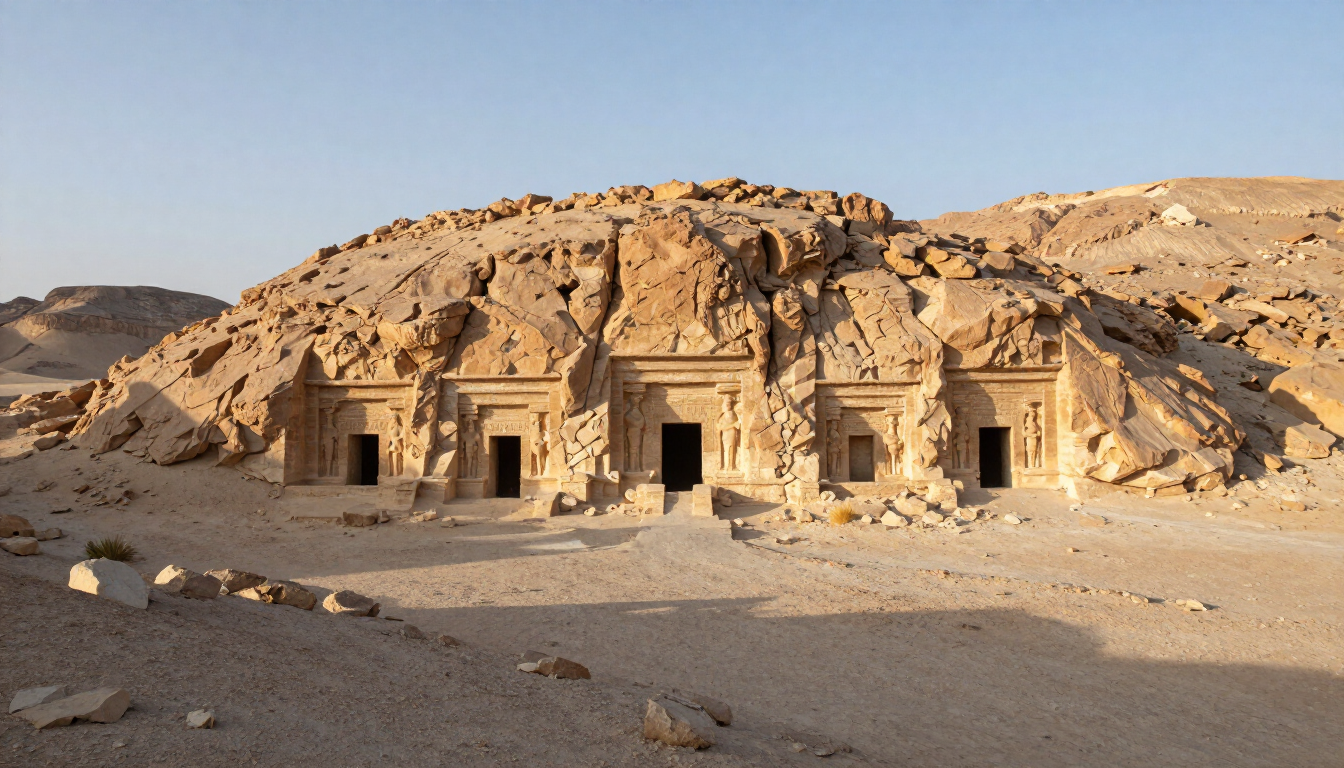
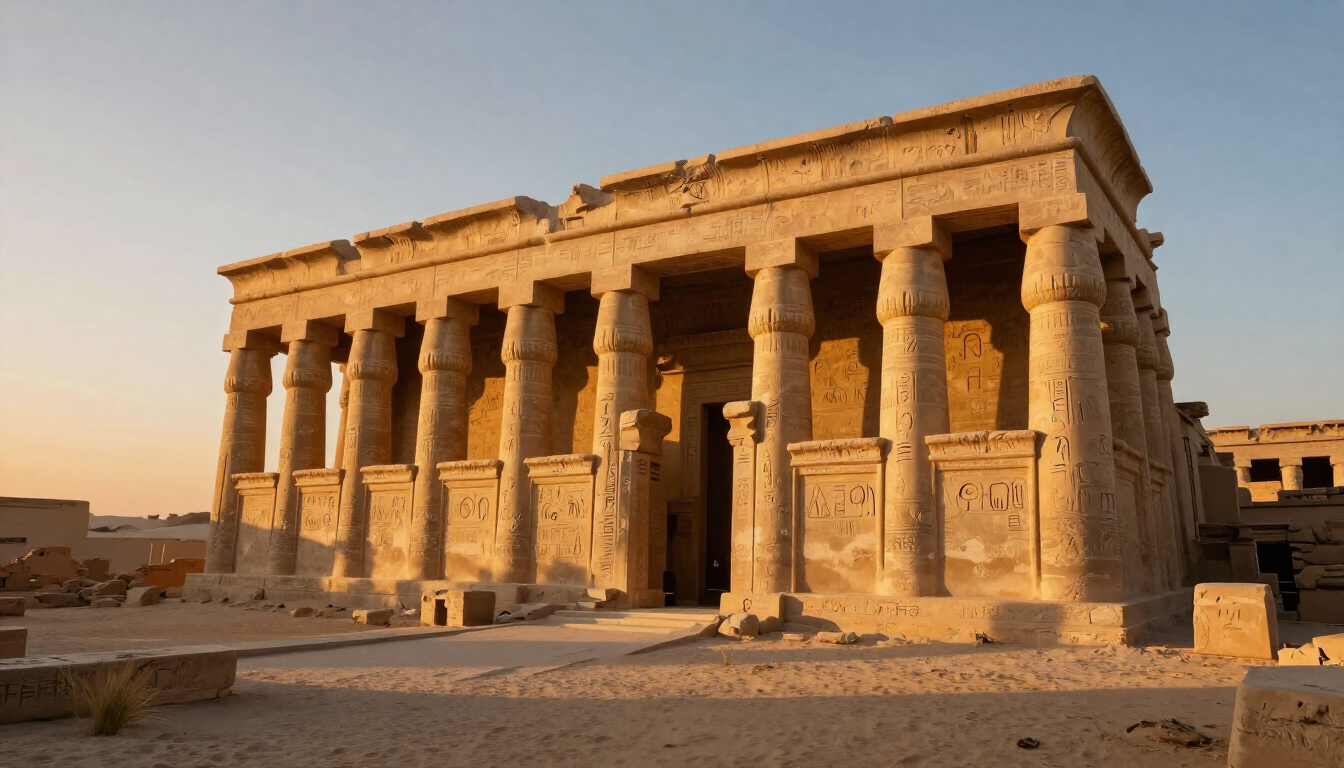
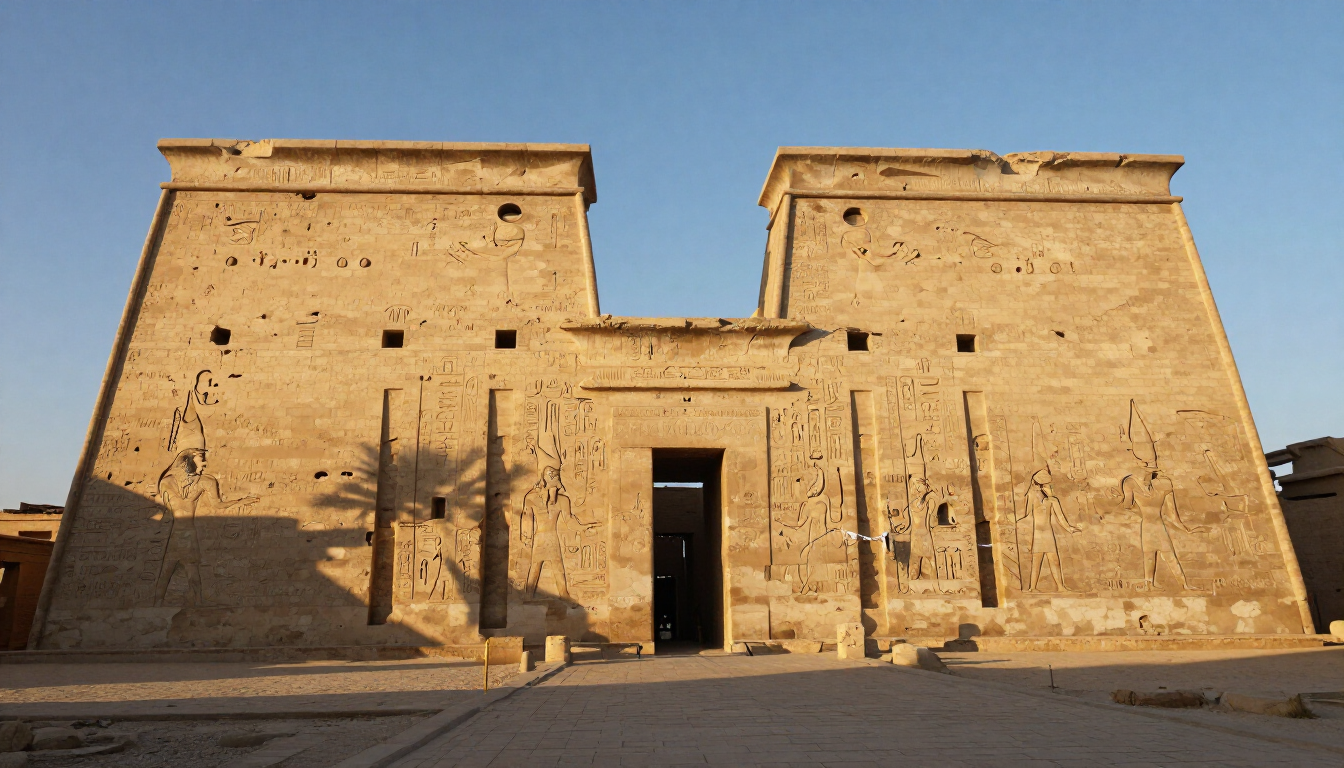
The Valley of the Kings is an ancient cemetery in Luxor where New Kingdom pharaohs were buried between about 1550 and 1070 BCE. Instead of building visible pyramids, Egyptian rulers carved tombs deep into desert cliffs to protect their bodies, treasures, and journey into the afterlife.
Where is the Valley of the Kings?
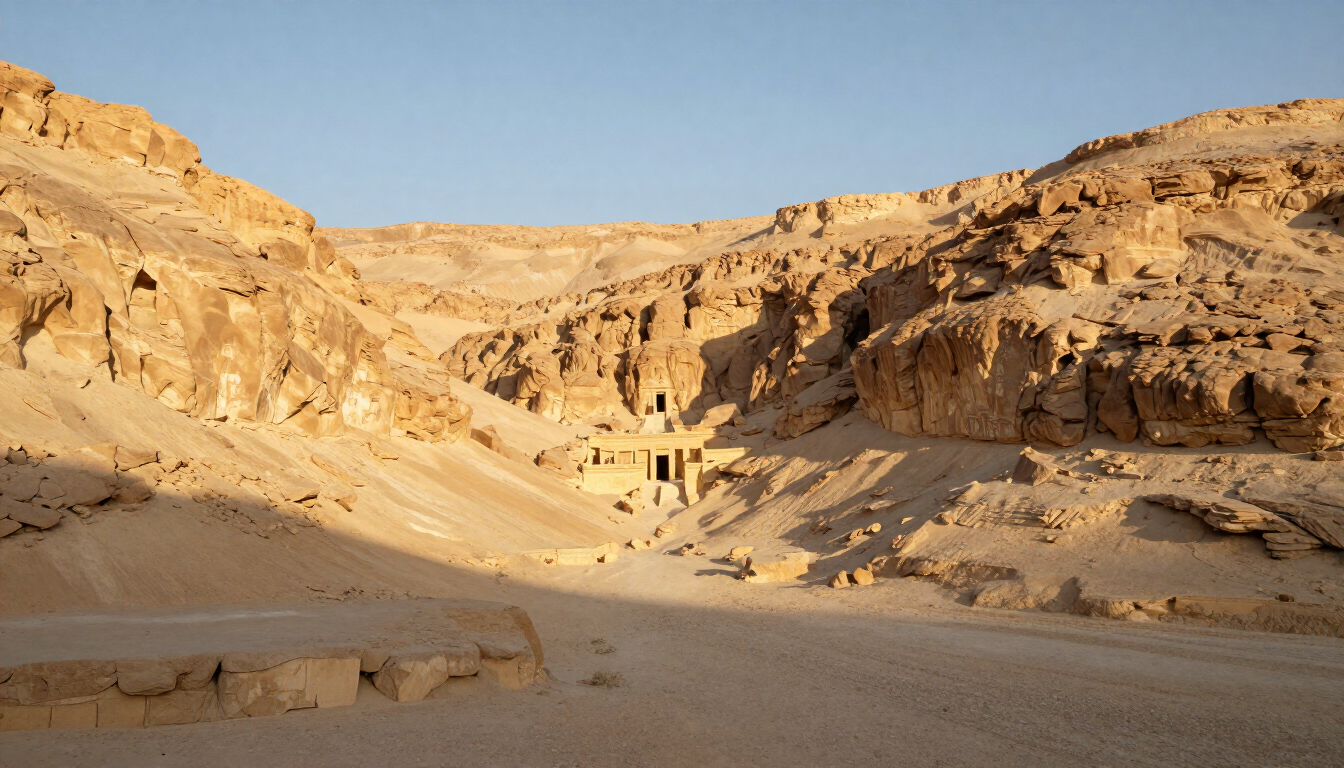
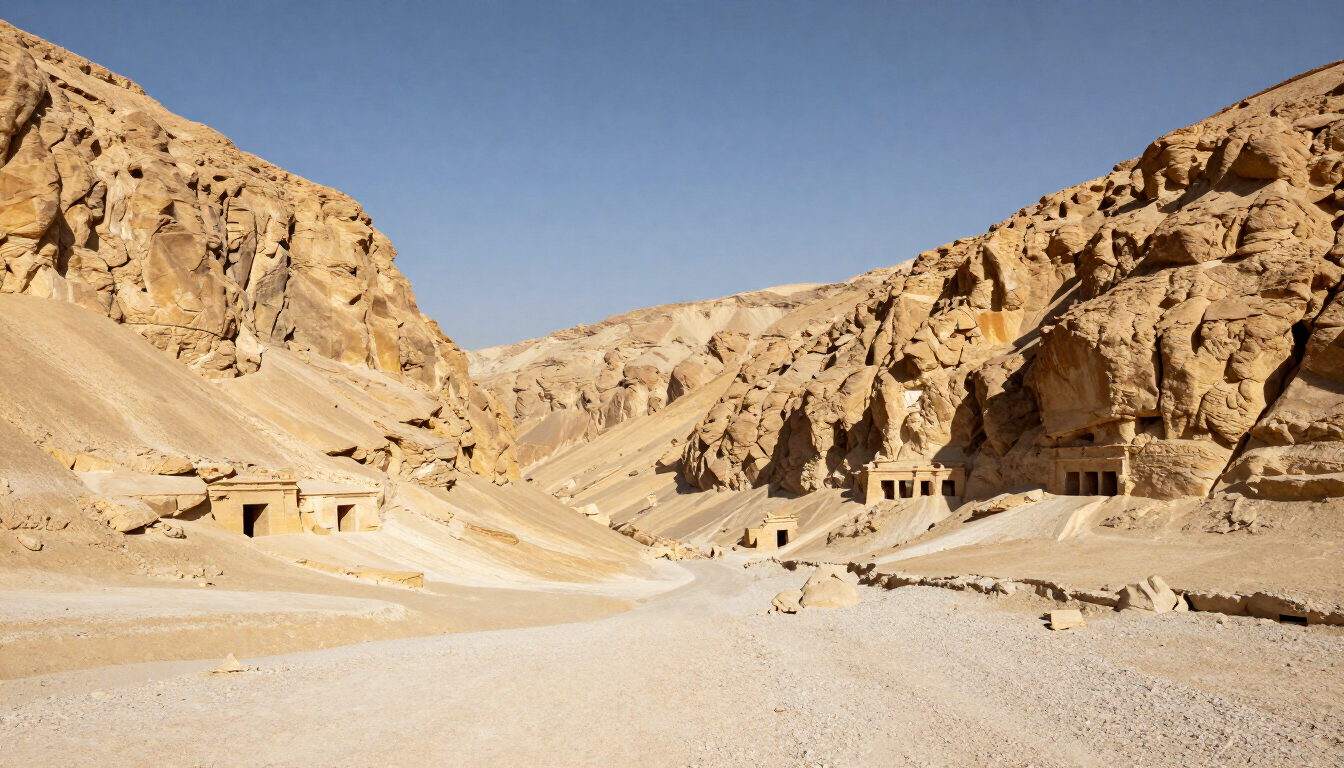
The Valley of the Kings lies on Luxor’s west bank, near the ancient city of Thebes. The Nile separates it from the modern city of Luxor and the temples on the east bank.
The landscape is dry, rocky, and naturally hidden. A central peak, known today as al-Qurn, rises above the valley and may have reminded ancient Egyptians of a pyramid. Its location helped make the area suitable for royal burials.
Travelers planning to explore the region can compare nearby Luxor Day Tours or browse broader Egypt Travel Packages .
Why did pharaohs choose hidden rock-cut tombs?
Earlier Egyptian kings built large pyramids that were easy to see. However, these monuments also revealed the location of royal burial chambers. Tomb robbers could identify them and search for valuable objects.
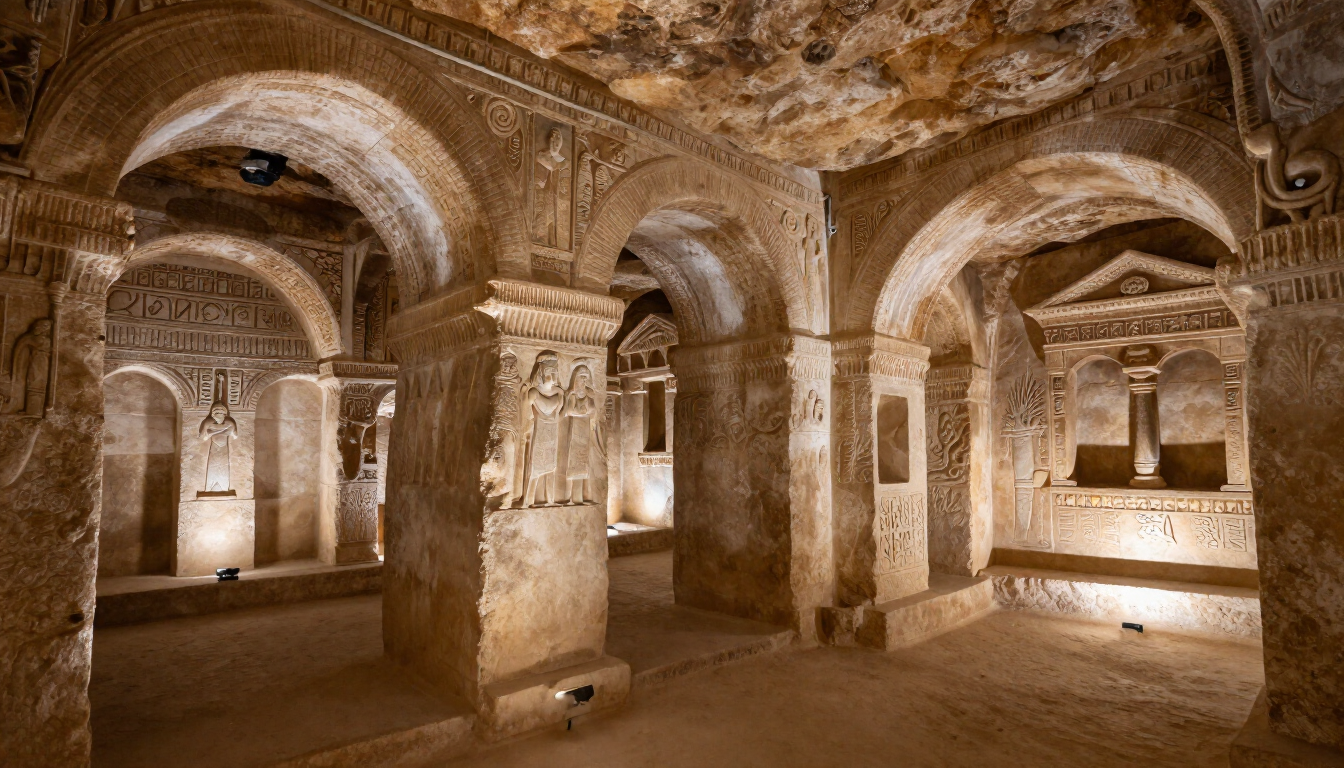
New Kingdom rulers chose a different approach. They ordered workers to carve long corridors and chambers inside the cliffs. The hidden tombs were designed to:
- Protect the pharaoh’s body and burial goods
- Keep royal burials away from busy settlements
- Support religious rituals and the journey to the afterlife
- Connect the king with Osiris, the god of the dead
- Display scenes and texts about rebirth and eternal life
The tombs were not simple hiding places. Their paintings, inscriptions, and religious symbols formed a spiritual map for the deceased king.
The royal cemetery of the New Kingdom
The Valley of the Kings was used mainly during Egypt’s New Kingdom, a powerful period that included the 18th, 19th, and 20th Dynasties. Pharaohs, princes, and other members of the royal family were buried in the main valley and a nearby western section.
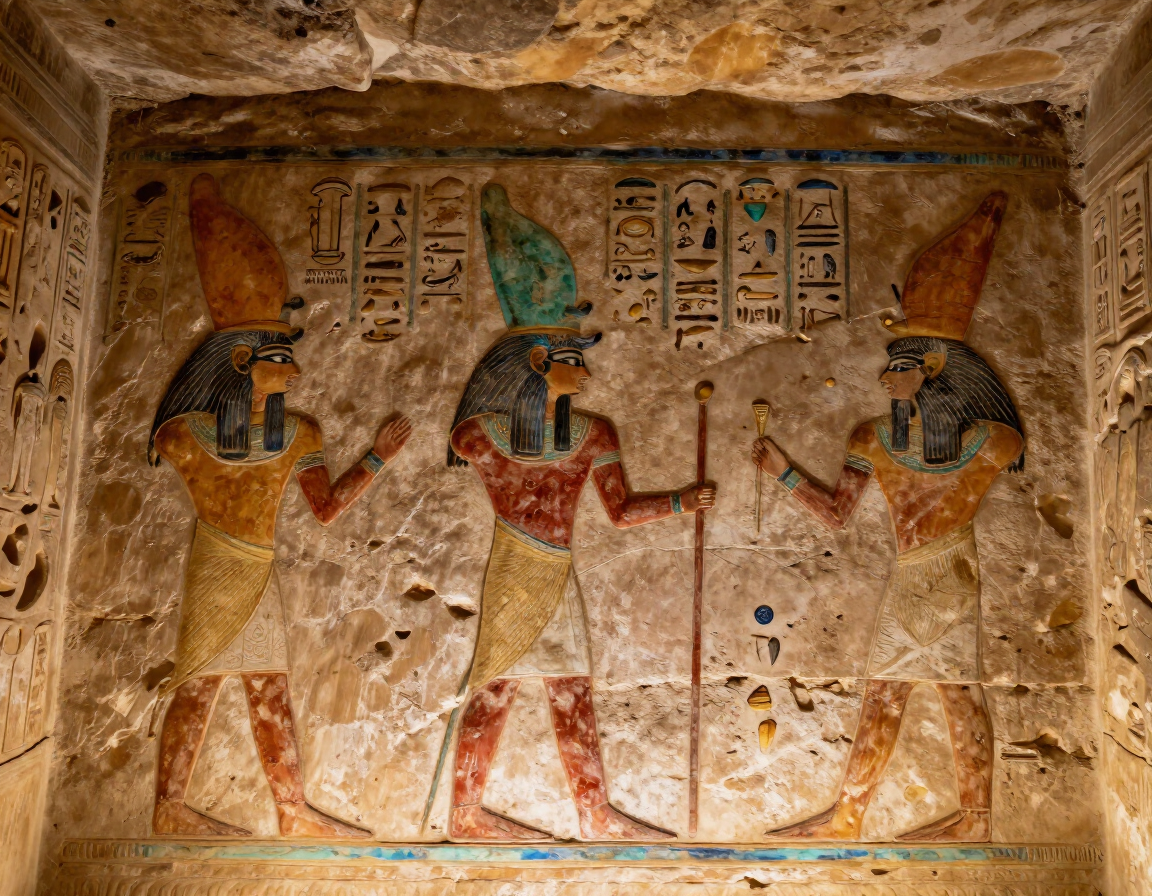
Each tomb had its own design, but many included a sloping entrance, corridors, ritual rooms, and a burial chamber. Walls were covered with colorful scenes from sacred books, including the Book of the Dead and the Book of Gates .
The paintings were more than decoration. They were believed to help the king overcome danger, pass through the underworld, and live forever with the gods.
Which famous pharaohs were buried there?
Several important rulers were buried in the Valley of the Kings, including:
- Tutankhamun: The young pharaoh whose nearly intact tomb was discovered by Howard Carter in 1922.
- Ramses II: One of Egypt’s most famous and powerful kings, although his original tomb was later damaged and his mummy was moved.
- Seti I: Known for one of the valley’s most beautifully decorated tombs.
- Thutmose III: A successful military ruler of the 18th Dynasty.
- Ramses III: A major ruler of the 20th Dynasty, associated with a richly decorated tomb.
What makes the Valley of the Kings important?
The valley reveals how ancient Egyptians understood death, kingship, art, and religion. Its tombs show that a pharaoh’s burial was not an ending. It was a carefully planned passage into eternal life.
Key takeaway
The Valley of the Kings was chosen because its remote cliffs offered secrecy, protection, and a powerful religious setting. New Kingdom pharaohs such as Tutankhamun, Seti I, and Ramses III were buried there in decorated rock-cut tombs designed for the afterlife. Its importance comes from both its royal history and its remarkable art. If you are planning a wider visit to Luxor, use Travel Tips to prepare, then compare Luxor Day Tours or create a personalized itinerary through Tailor a Tour .