

Medinet Habu: A Quick Guide to Ramses III’s Mortuary Temple

Red Rose Travel • November 21, 2026

Share this article

Medinet Habu is the mortuary temple of King Ramses III on Luxor’s west bank. Built on a massive scale, it combines religious spaces with fortified walls, towers, and gateways. Its detailed reliefs and standing stone structures remain exceptionally well preserved, making it one of ancient Egypt’s most impressive monuments.

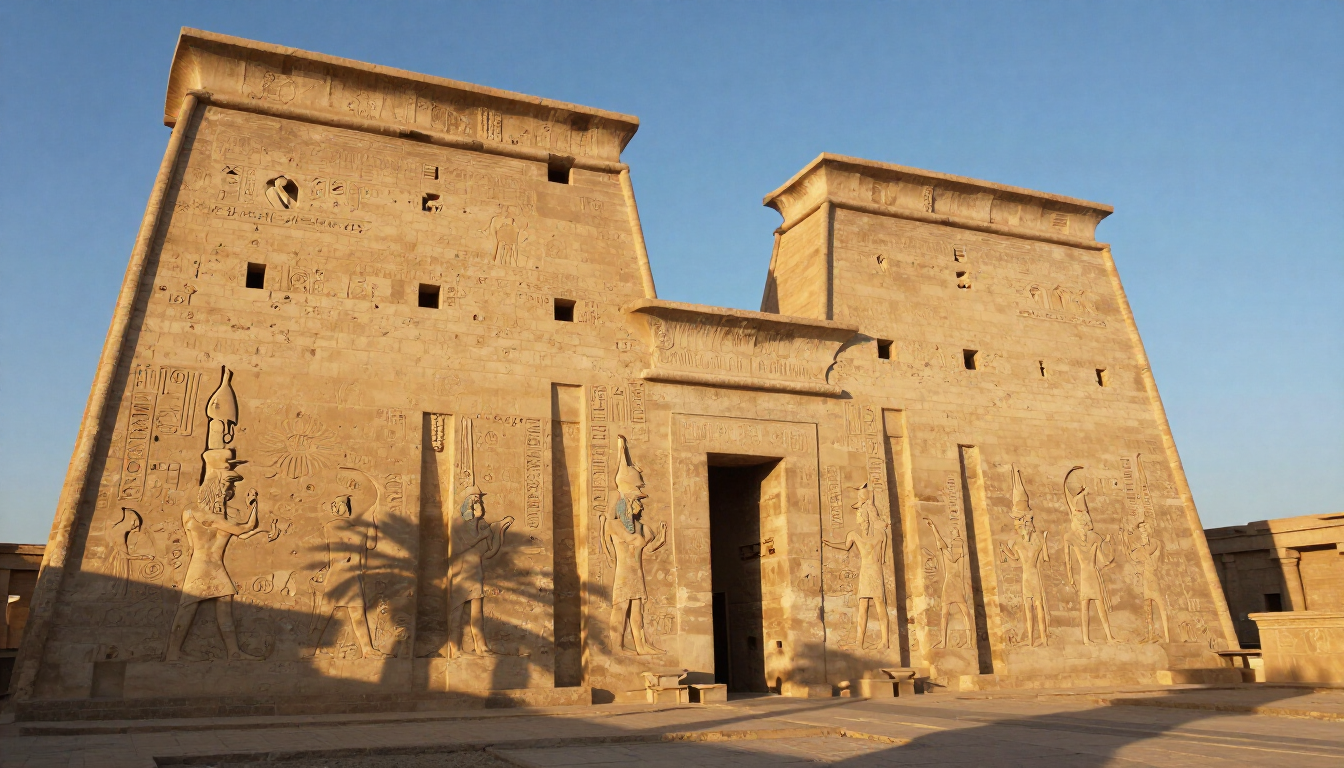
Medinet Habu temple in Luxor, Egypt

Where is Medinet Habu?

Medinet Habu stands on the western side of Luxor, near the foothills of the Theban mountains. This area was the ancient necropolis of Thebes and contains some of Egypt’s most important temples and tombs.

The monument is close to other notable sites on the west bank, including the Valley of the Kings and the Colossi of Memnon. Travelers planning to explore the region can also review these Luxor day tours for broader context about the city’s ancient heritage.

Why was Medinet Habu built?

Ramses III built Medinet Habu as his mortuary temple. These temples were created to support the king’s cult after death, allowing rituals, offerings, and ceremonies to continue for his spirit.

The temple also honored Amun, one of the most important gods in ancient Thebes. Its walls record religious scenes, royal ceremonies, military victories, and daily offerings, combining spiritual purpose with historical storytelling.

How large is Medinet Habu?

The complex is one of the largest temple sites in Luxor. Its broad courtyards, towering entrance, pillared halls, storerooms, chapels, and surrounding walls create the feeling of a fortified religious city rather than a single building.

Its scale reflects the power Ramses III wanted to project. Visitors can see long stretches of decorated walls and huge blocks of sandstone arranged around a carefully planned central axis.

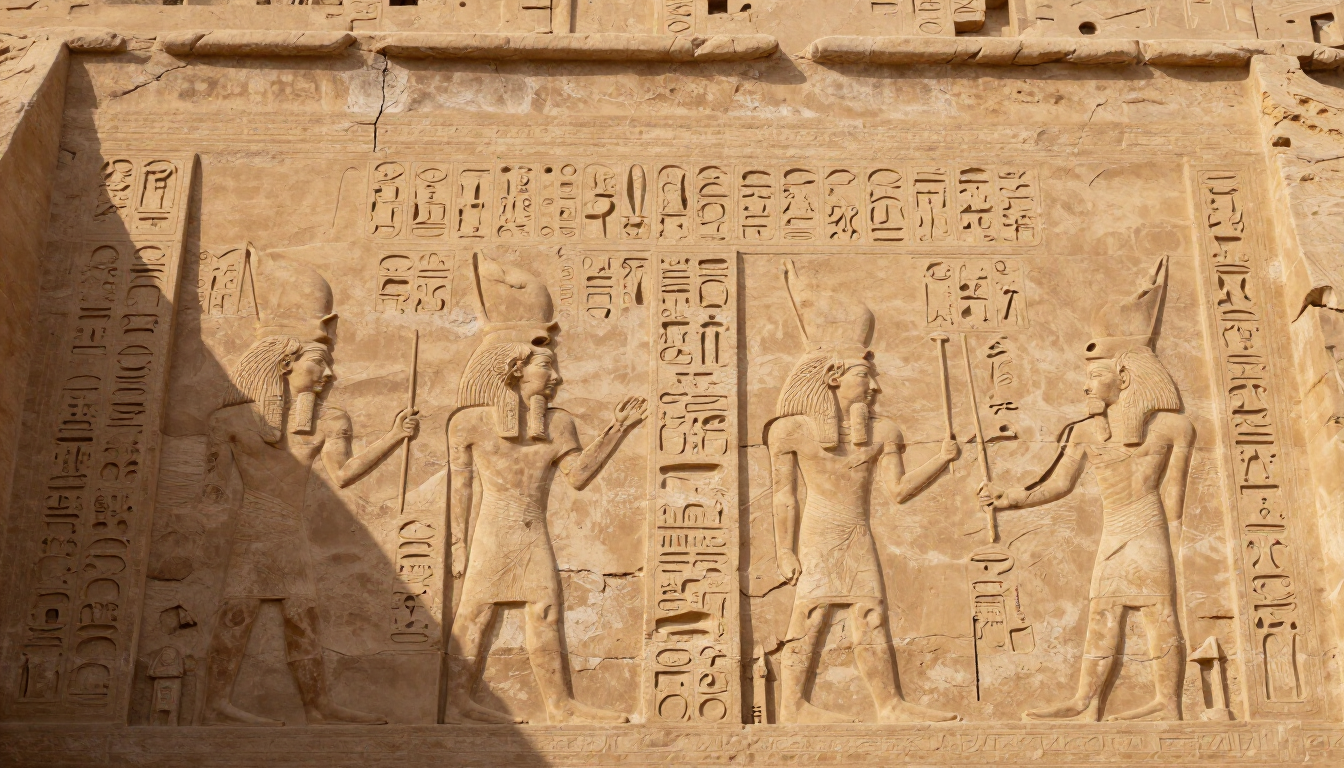
Massive sandstone walls and carved reliefs at Medinet Habu

The fortified temple design

What makes its architecture unusual?

Medinet Habu is famous for its defensive appearance. The entrance is formed by a monumental gateway often called the High Gate. It has thick walls, strong towers, and a narrow approach that resembles a fortress entrance.

The complex was enclosed by substantial mud-brick and stone walls. These defenses may have had symbolic meaning as well as practical value, representing protection for the sacred temple and the king’s eternal presence.

Who was King Ramses III?

Ramses III ruled Egypt during the Twentieth Dynasty, from approximately 1186 to 1155 BCE. He is generally regarded as the last great king of the New Kingdom.

His reign faced serious external threats, including attacks by groups known as the Sea Peoples and Libyan forces. Reliefs at Medinet Habu show scenes of these conflicts, presenting Ramses III as a powerful defender of Egypt.

Why is Medinet Habu so well preserved?

Much of the temple’s survival comes from its massive construction, protected location, and strong stone walls. Many reliefs retain visible details, including figures, hieroglyphs, crowns, weapons, and ceremonial objects.

Although weathering and time have affected the site, the surviving colors and carvings still reveal how richly decorated the temple once was. The preserved structures help visitors understand the original scale and design of New Kingdom architecture.

Key takeaway

Medinet Habu is more than a large temple in Luxor. It is Ramses III’s enduring statement of religious authority, royal power, and national defense. Its fortress-like entrance, enormous courtyards, historical reliefs, and remarkably preserved stonework explain why it remains one of Egypt’s essential ancient sites. If you are comparing places to visit on Luxor’s west bank, add Medinet Habu when you want to understand the New Kingdom through architecture, art, and written history.

Recent Posts

Catacombs of Kom El Shoqafa underground burial chambers in Alexandria, Egypt
By Red Rose Travel • November 22, 2026
Explore the Catacombs of Kom El Shoqafa in Alexandria, Egypt, the country’s largest known Roman burial site and a striking blend of Egyptian, Greek, and Roman art.
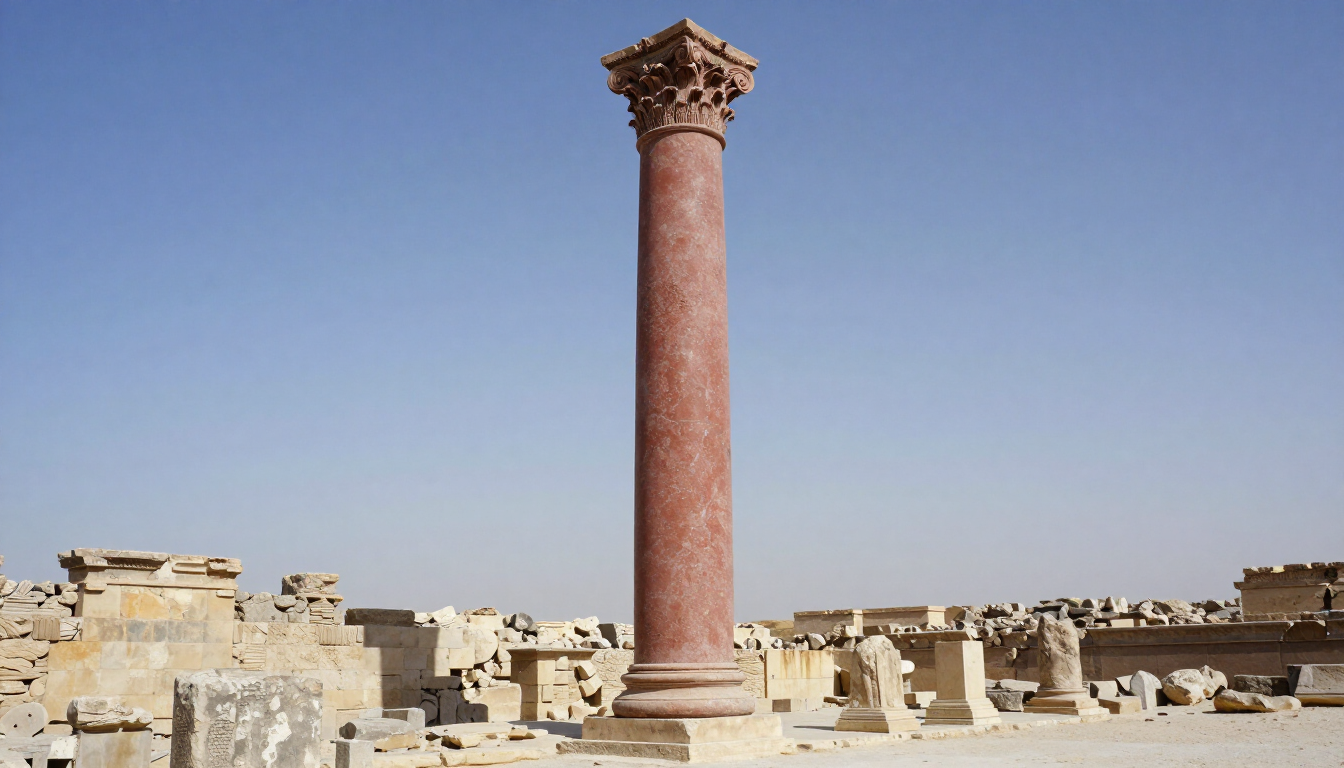
Pompey’s Pillar in Alexandria, Egypt, a red granite Roman column
By Red Rose Travel • November 22, 2026
Learn why Pompey’s Pillar is Egypt’s tallest ancient Roman triumphal column, how it was built from red Aswan granite, and what remains of Alexandria’s Serapeum.
Bibliotheca Alexandrina in Alexandria, Egypt beside the Mediterranean Sea
By Red Rose Travel • November 22, 2026
Discover the Bibliotheca Alexandrina in Alexandria, Egypt—its ancient inspiration, sun-disc design, granite wall, and role as a modern cultural center.
Citadel of Qaitbay in Alexandria, Egypt
By Red Rose Tours • November 22, 2026
Discover the Citadel of Qaitbay in Alexandria, including its 15th-century Mamluk history, coastal defense role, and connection to the ancient Lighthouse of Alexandria.
Abydos Temple of Seti I in Sohag, Egypt
By Red Rose Travel • November 22, 2026
Discover Abydos Temple in Sohag, Egypt: its sacred link to Osiris, fine limestone reliefs, the Abydos King List, and the mysterious Osireion.
Dendera Temple Complex in Qena, Egypt
By Red Rose Travel • November 22, 2026
Explore the Dendera Temple Complex in Qena, Egypt, including Hathor, colorful ceilings, Greco-Roman architecture, and the famous astronomical zodiac.
Tombs of the Nobles in Luxor
By Red Rose Travel • November 21, 2026
Discover how the Tombs of the Nobles in Luxor preserve the lives, work, beliefs, and daily routines of ancient Egyptian officials, priests, and governors.
Ramesseum in Luxor, Ramses II’s ancient mortuary temple
By Red Rose Travel • November 21, 2026
Discover the Ramesseum in Luxor, Ramses II’s grand mortuary temple, its New Kingdom architecture, fallen colossus, and link to Shelley’s Ozymandias.
Valley of the Queens in Luxor, Egypt
By Red Rose Travel • November 21, 2026
Discover the Valley of the Queens in Luxor, its ancient name Place of Beauty, New Kingdom burials, Queen Nefertari, and why it matters today.
Valley of the Kings in Luxor with desert cliffs and ancient tomb entrances
By Red Rose Tours • November 21, 2026
Discover why the Valley of the Kings became Egypt’s royal burial ground, which famous pharaohs were buried there, and what makes its tombs so important.