
A Quick Guide to Hatshepsut Temple at Deir el-Bahari

Red Rose Travel • November 21, 2026

Share this article

Hatshepsut Temple at Deir el-Bahari is a remarkable ancient Egyptian monument in Luxor, built into the cliffs on the west bank of the Nile. Created during Queen Hatshepsut’s reign, it served as her mortuary temple and honored the gods, especially Amun, through terraces, colonnades, reliefs, and sacred spaces.

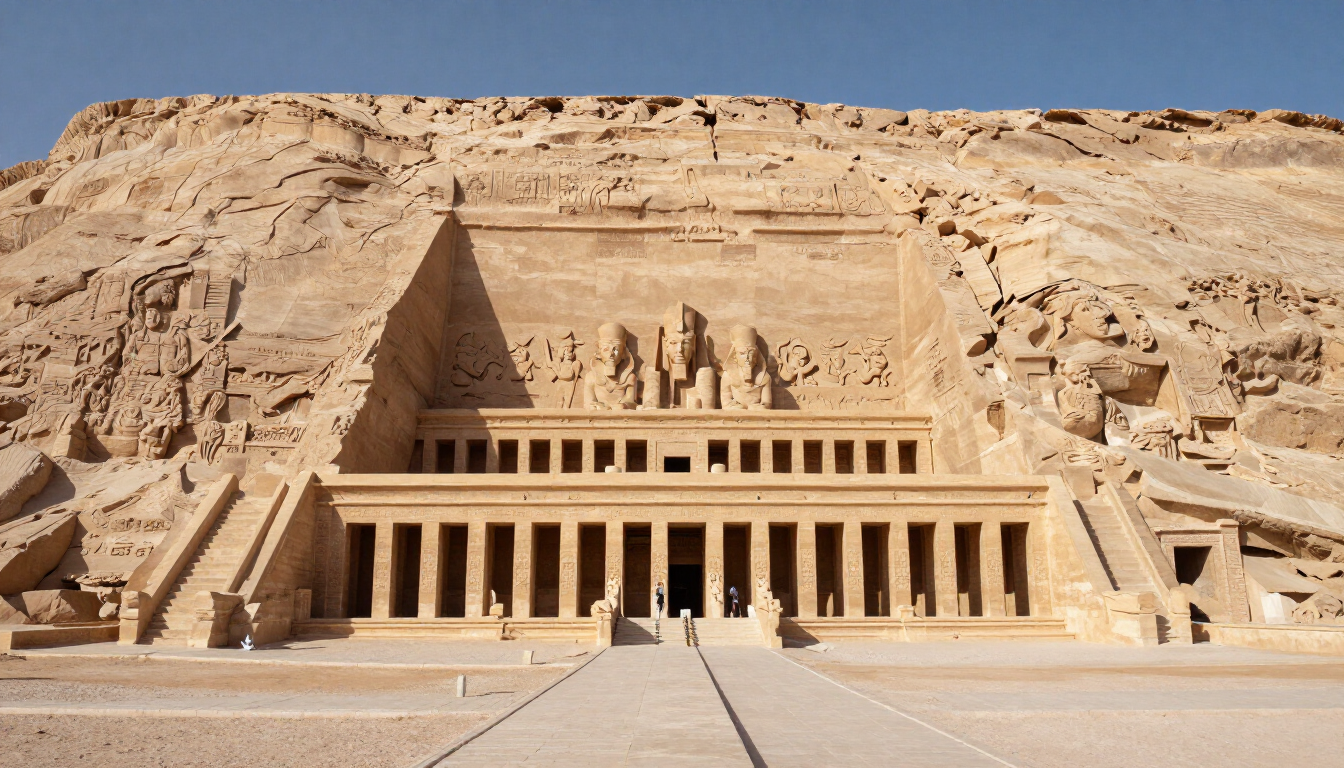
Hatshepsut Temple at Deir el-Bahari

Where Is Hatshepsut Temple?

Hatshepsut Temple stands at Deir el-Bahari, a natural bay beneath steep limestone cliffs near Luxor. The site is on the west bank of the Nile, an area traditionally associated with the setting sun, death, and the afterlife.

The temple is close to other important monuments, including the Valley of the Kings and the Valley of the Queens. Its location was not chosen by chance. The cliffs created a dramatic natural backdrop and connected the temple visually with the sacred landscape.

Travelers planning to explore the area can learn more through these Luxor Day Tours and the wider Egypt Travel Packages .

How Was the Temple Designed?

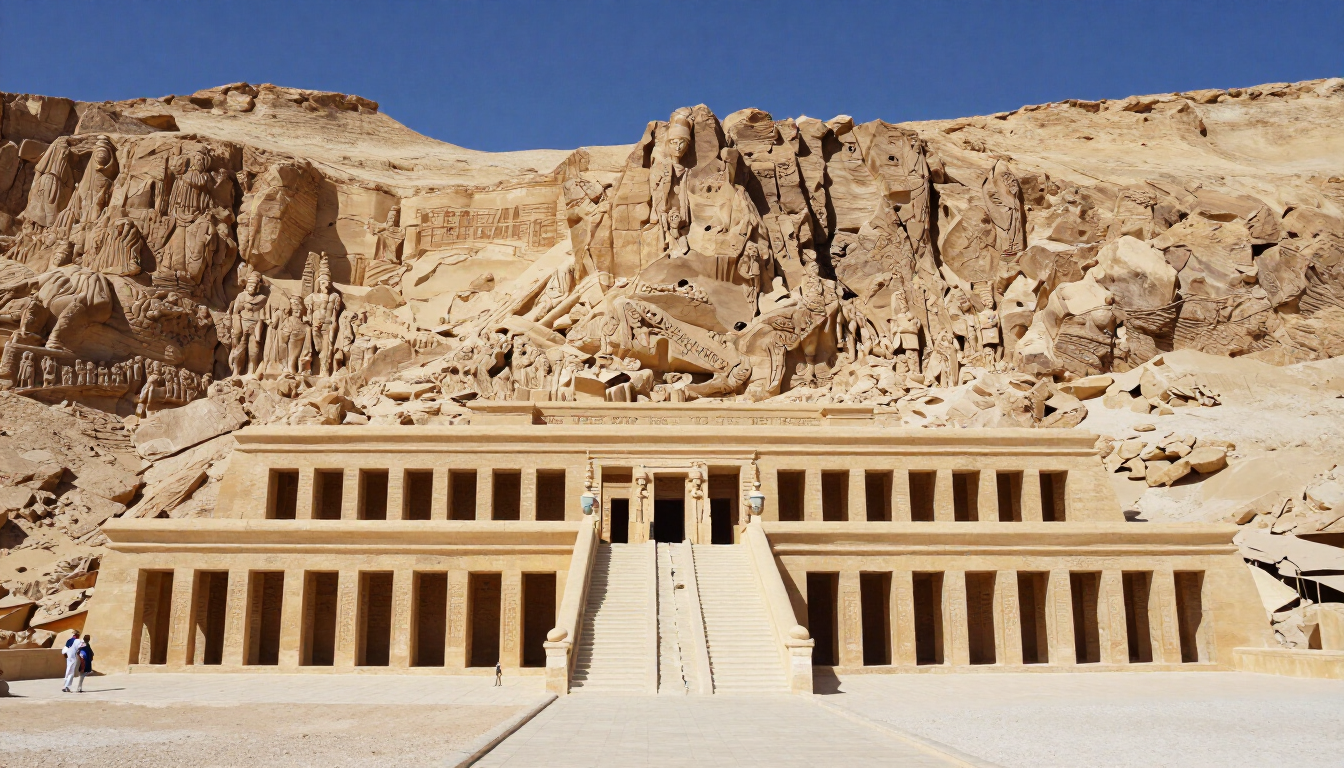
The temple is famous for its unusual, balanced design. Instead of rising like a traditional pyramid or standing as a fully independent building, it extends in three broad terraces toward the cliffs.

Key architectural features include:

  • Long ramps connecting the different levels
  • Symmetrical terraces and colonnades
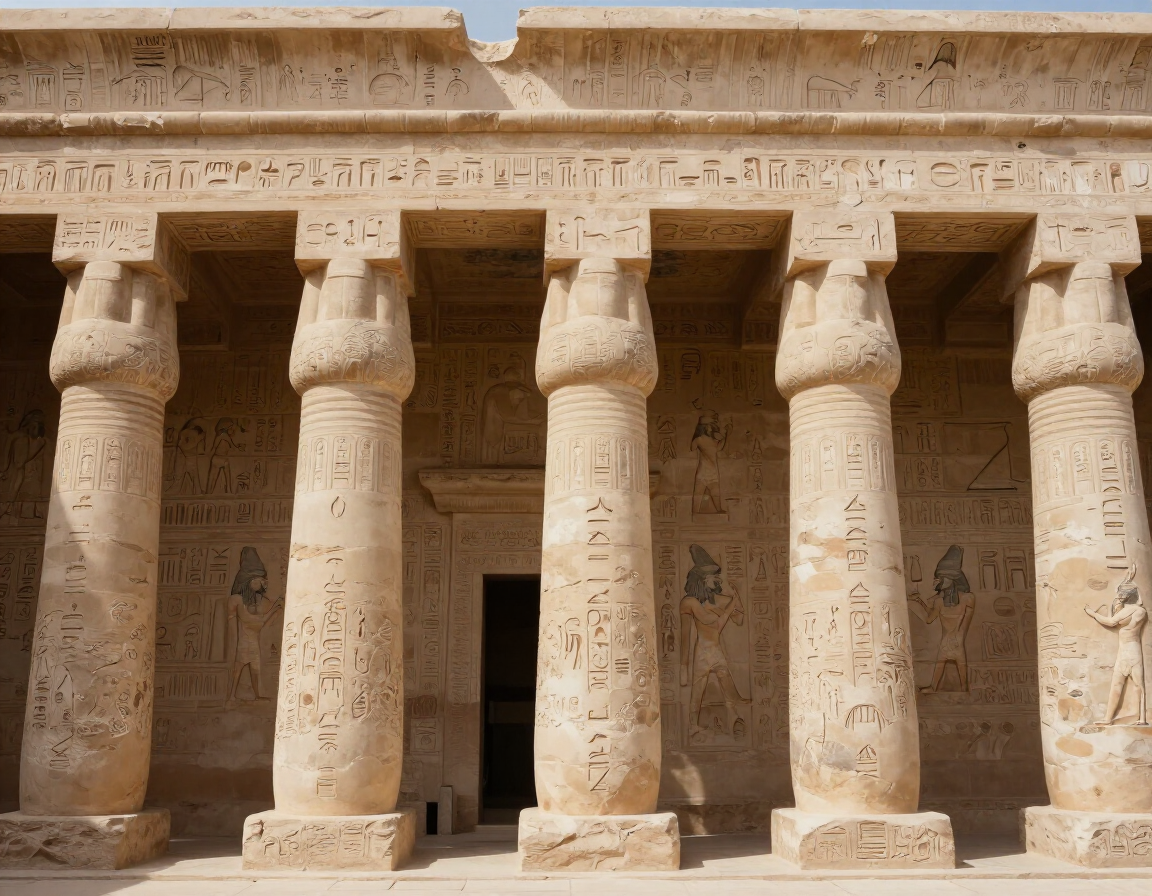
  • Pillars decorated with religious and royal imagery
  • Shrines dedicated to important Egyptian gods
  • Reliefs showing ceremonies, offerings, and royal achievements

The structure’s horizontal lines contrast with the vertical cliffs behind it. This combination makes the temple appear to grow directly from the mountain. The design is often associated with the architect Senenmut, an influential official during Hatshepsut’s reign.

Who Was Queen Hatshepsut?

Hatshepsut was one of ancient Egypt’s most powerful female rulers. She became king during the Eighteenth Dynasty and governed while her stepson, Thutmose III, was still young. Although Egyptian tradition usually expected a male ruler, Hatshepsut presented herself as pharaoh and adopted royal symbols, including the ceremonial beard.

Her reign was known for stability, economic growth, building projects, and international trade. One of the best-known achievements associated with her rule was an expedition to Punt, a distant land believed to have supplied Egypt with incense, valuable woods, animals, and other goods.

Reliefs at her temple present these accomplishments as part of her divine right to rule. They also connect her birth and kingship to the god Amun, strengthening her position in Egyptian religious and political life.

Ancient Egyptian temple reliefs and columns

Why Was It Built as a Mortuary Temple?

A mortuary temple was a place where rituals, offerings, and prayers could continue after a pharaoh’s death. It supported the ruler’s journey into the afterlife and helped preserve the relationship between the deceased monarch and the gods.

Hatshepsut’s temple had several religious purposes:

  1. Honoring Amun, one of Egypt’s chief gods
  2. Commemorating Hatshepsut’s rule and achievements
  3. Providing spaces for offerings and ceremonies
  4. Connecting the queen’s spirit with the sacred landscape

The temple was not simply a tomb. Hatshepsut’s burial place was elsewhere, likely in the Valley of the Kings. Deir el-Bahari functioned instead as a ceremonial and religious center connected to her memory and eternal existence.

What Makes Deir el-Bahari Important?

Deir el-Bahari is important because it combines natural geography, religious meaning, and royal architecture in one setting. The temple also reveals how Egyptian rulers used art and buildings to communicate authority.

Some decorations were damaged or removed after Hatshepsut’s death, particularly during the later reign of Thutmose III. Even so, surviving reliefs and architectural elements provide valuable evidence about Egyptian beliefs, ceremonies, trade, and royal identity.

For more historical travel ideas, browse the Egypt Classic Tour or explore additional Egypt travel tips .

Hatshepsut Temple terraces beneath limestone cliffs

Key Takeaways

Hatshepsut Temple is a landmark of ancient Egyptian architecture and royal history. Its three terraces were built into the cliffs at Deir el-Bahari, creating a powerful connection between the monument and the landscape. The temple honored Amun, celebrated Hatshepsut’s reign, and served as a mortuary center for rituals and offerings. Its reliefs also record trade, religious beliefs, and royal achievements. If you are studying Luxor or planning an Egypt itinerary, place Deir el-Bahari alongside the Valley of the Kings and other west-bank monuments for a fuller understanding of ancient Egyptian civilization.

Recent Posts

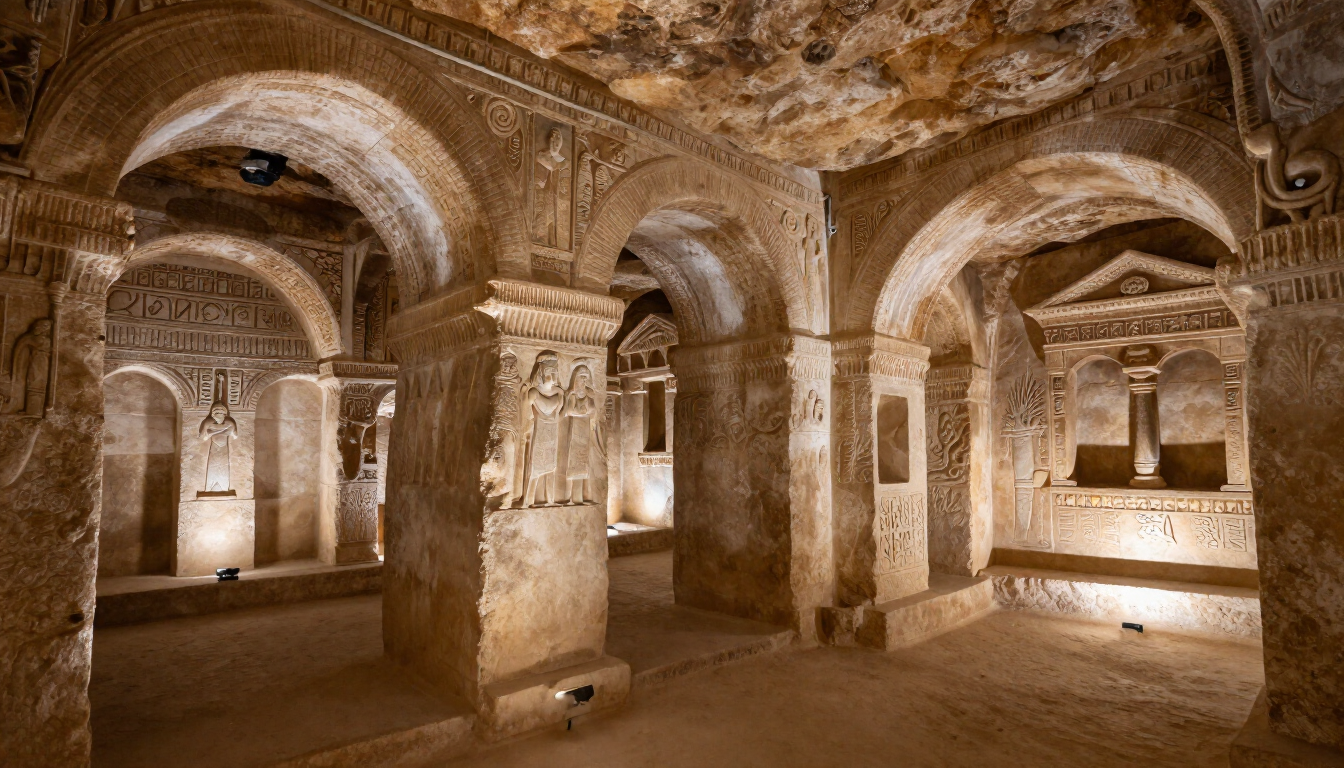
Catacombs of Kom El Shoqafa underground burial chambers in Alexandria, Egypt
By Red Rose Travel • November 22, 2026
Explore the Catacombs of Kom El Shoqafa in Alexandria, Egypt, the country’s largest known Roman burial site and a striking blend of Egyptian, Greek, and Roman art.
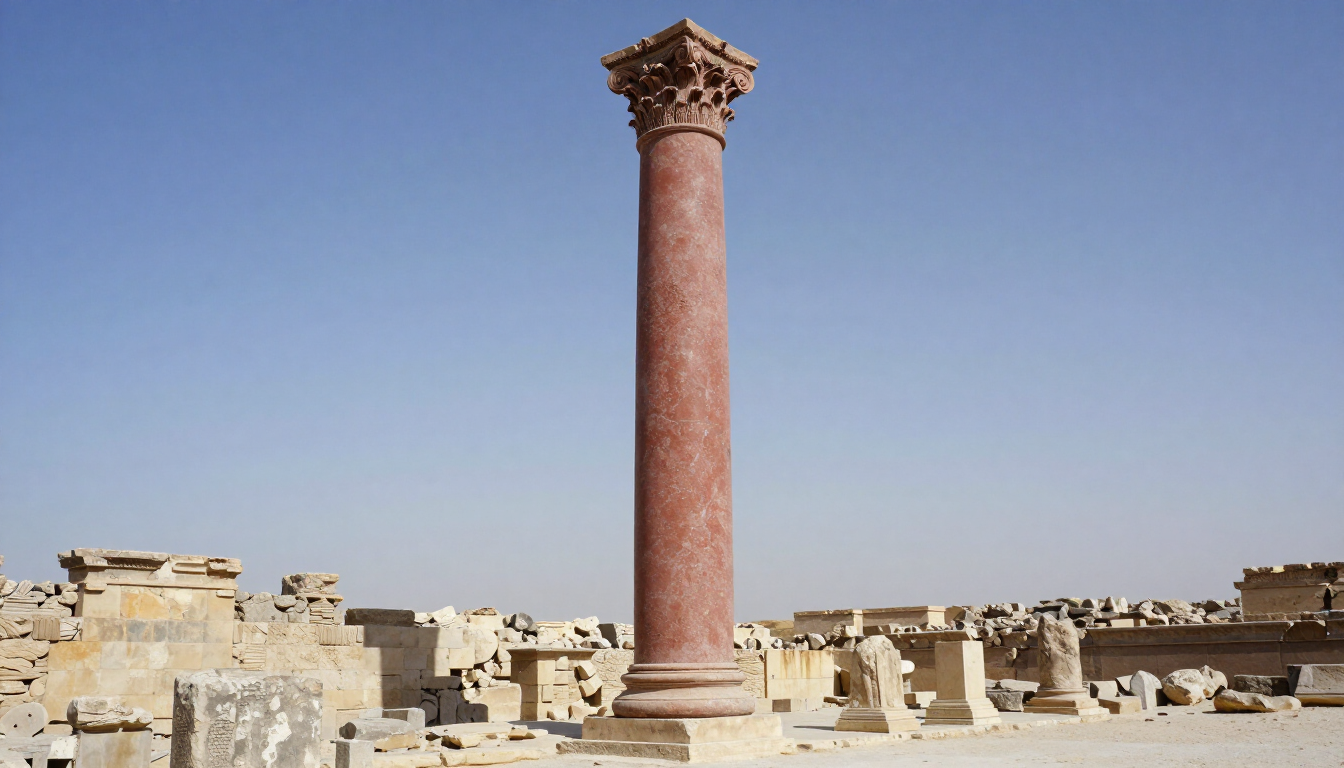
Pompey’s Pillar in Alexandria, Egypt, a red granite Roman column
By Red Rose Travel • November 22, 2026
Learn why Pompey’s Pillar is Egypt’s tallest ancient Roman triumphal column, how it was built from red Aswan granite, and what remains of Alexandria’s Serapeum.
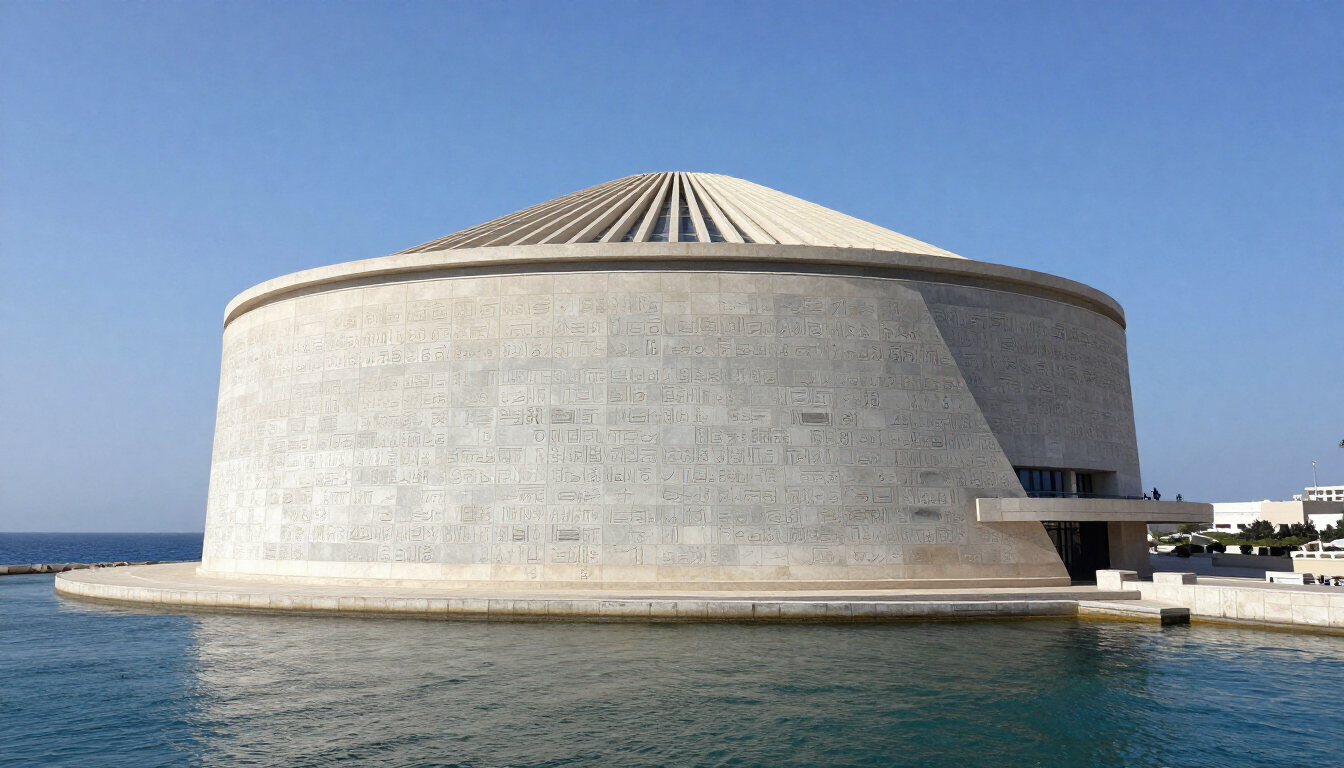
Bibliotheca Alexandrina in Alexandria, Egypt beside the Mediterranean Sea
By Red Rose Travel • November 22, 2026
Discover the Bibliotheca Alexandrina in Alexandria, Egypt—its ancient inspiration, sun-disc design, granite wall, and role as a modern cultural center.
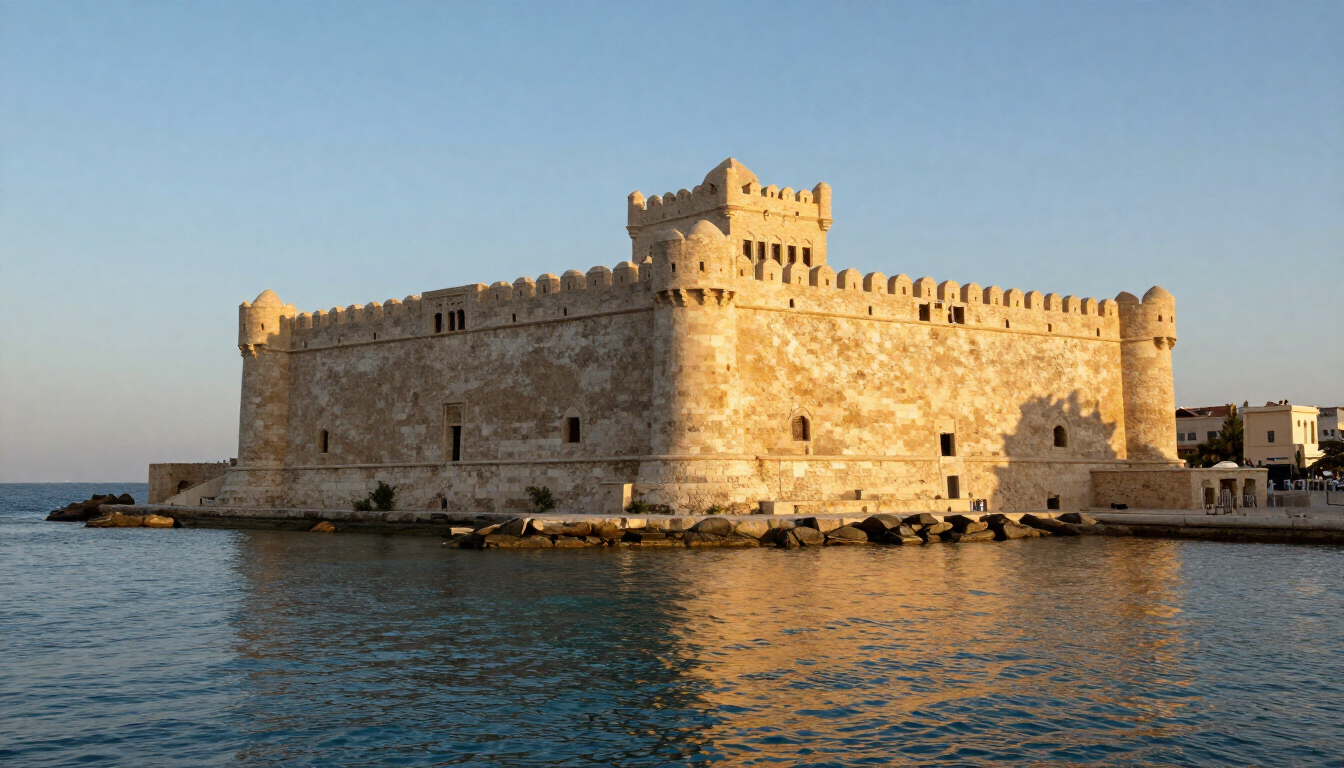
Citadel of Qaitbay in Alexandria, Egypt
By Red Rose Tours • November 22, 2026
Discover the Citadel of Qaitbay in Alexandria, including its 15th-century Mamluk history, coastal defense role, and connection to the ancient Lighthouse of Alexandria.
Abydos Temple of Seti I in Sohag, Egypt
By Red Rose Travel • November 22, 2026
Discover Abydos Temple in Sohag, Egypt: its sacred link to Osiris, fine limestone reliefs, the Abydos King List, and the mysterious Osireion.
Dendera Temple Complex in Qena, Egypt
By Red Rose Travel • November 22, 2026
Explore the Dendera Temple Complex in Qena, Egypt, including Hathor, colorful ceilings, Greco-Roman architecture, and the famous astronomical zodiac.
Tombs of the Nobles in Luxor
By Red Rose Travel • November 21, 2026
Discover how the Tombs of the Nobles in Luxor preserve the lives, work, beliefs, and daily routines of ancient Egyptian officials, priests, and governors.
Ramesseum in Luxor, Ramses II’s ancient mortuary temple
By Red Rose Travel • November 21, 2026
Discover the Ramesseum in Luxor, Ramses II’s grand mortuary temple, its New Kingdom architecture, fallen colossus, and link to Shelley’s Ozymandias.
Valley of the Queens in Luxor, Egypt
By Red Rose Travel • November 21, 2026
Discover the Valley of the Queens in Luxor, its ancient name Place of Beauty, New Kingdom burials, Queen Nefertari, and why it matters today.
Valley of the Kings in Luxor with desert cliffs and ancient tomb entrances
By Red Rose Tours • November 21, 2026
Discover why the Valley of the Kings became Egypt’s royal burial ground, which famous pharaohs were buried there, and what makes its tombs so important.